
Introduction
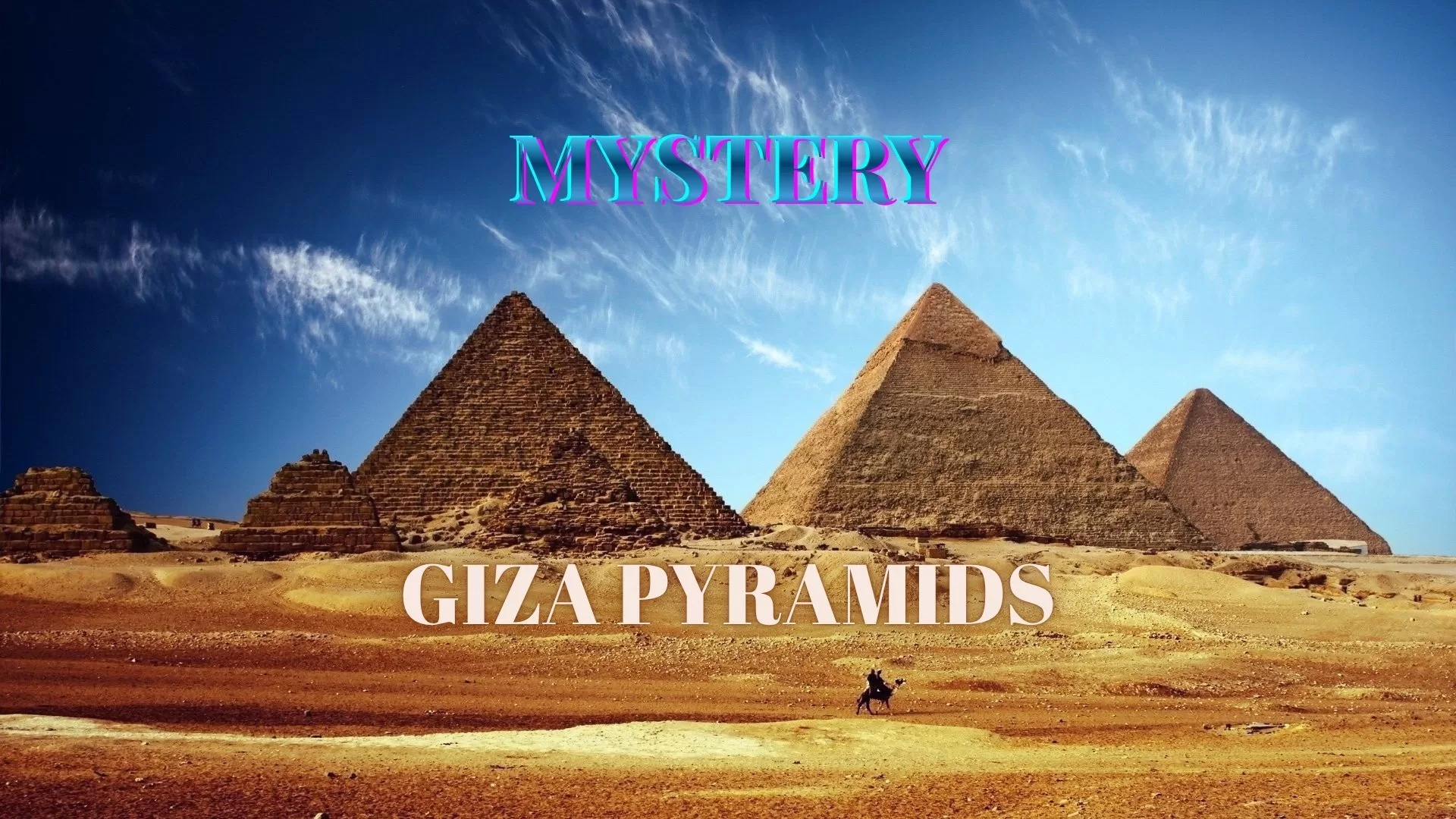
The Giza Pyramids have been a symbol of ancient Egypt for over 4,500 years, and continue to inspire awe and fascination among historians, archaeologists, and tourists. Their imposing size dominates the landscape but an equally intriguing question continues to bewilder researchers and mystery enthusiasts the world over: What’s under the Giza Pyramids?
Over the centuries, there have been many theories about the tunnels and hidden chambers, legendary libraries and secret underground cities. Some have been supported by archaeological finds, others are more a part of legend and speculation. With today’s modern technology, researchers are slowly finding new answers to what is hidden underneath one of mankind’s most marvelous structures.
The Giza Plateau: More Than Just Three Pyramids
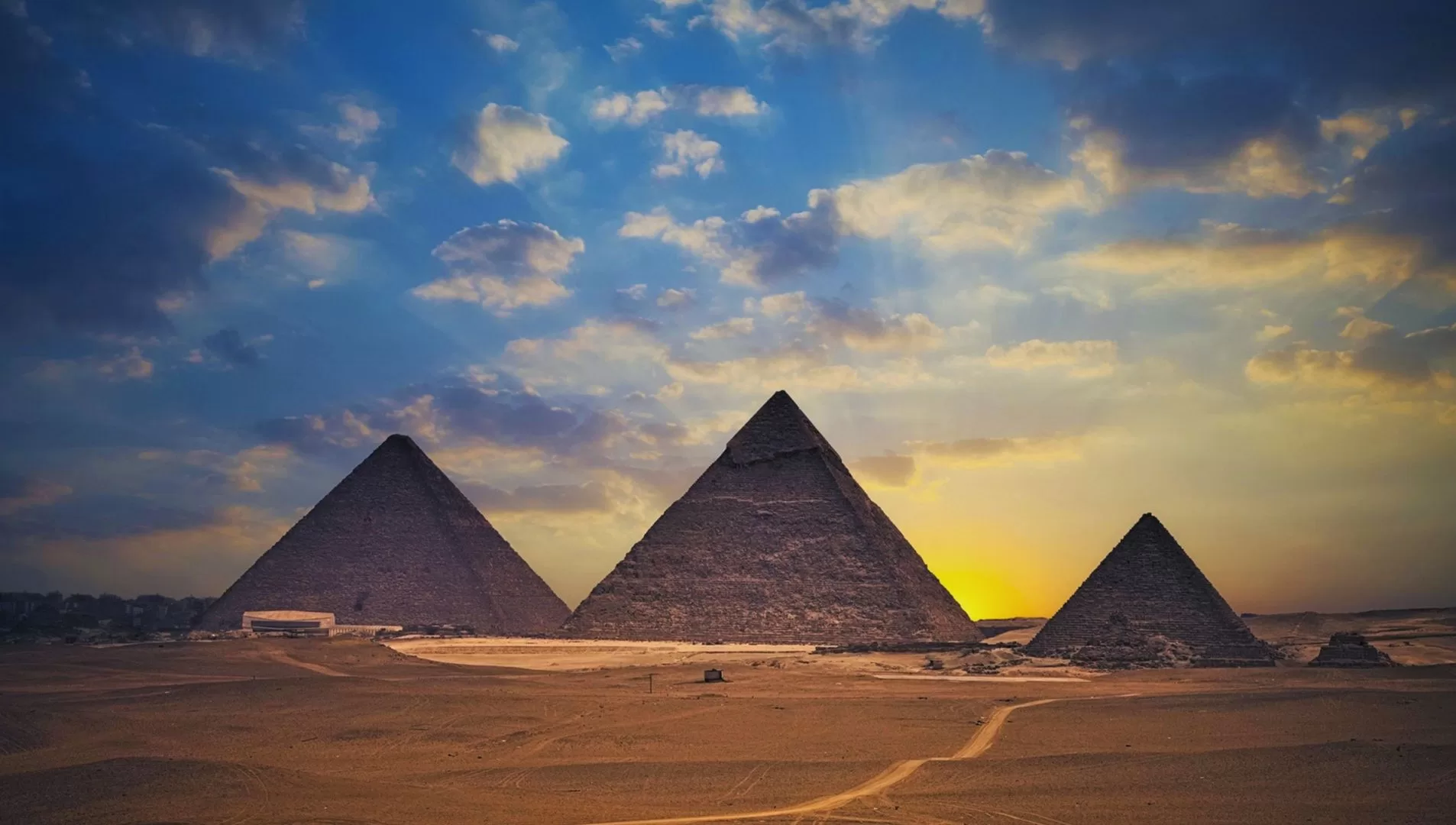
Outside of Cairo, on the Giza Plateau, is the Great Pyramid of Khufu, the Pyramid of Khafre, the Pyramid of Menkaure, the Great Sphinx, temples, cemeteries and many other ancient tombs. Whilst millions of people visit these monuments annually, the majority of the site’s subterranean topography is not as visible.
The limestone layers below also contain carved shafts, burial chambers, natural cavities and archaeological remains, all telling stories about ancient Egypt.
The Subterranean Chamber of the Great Pyramid
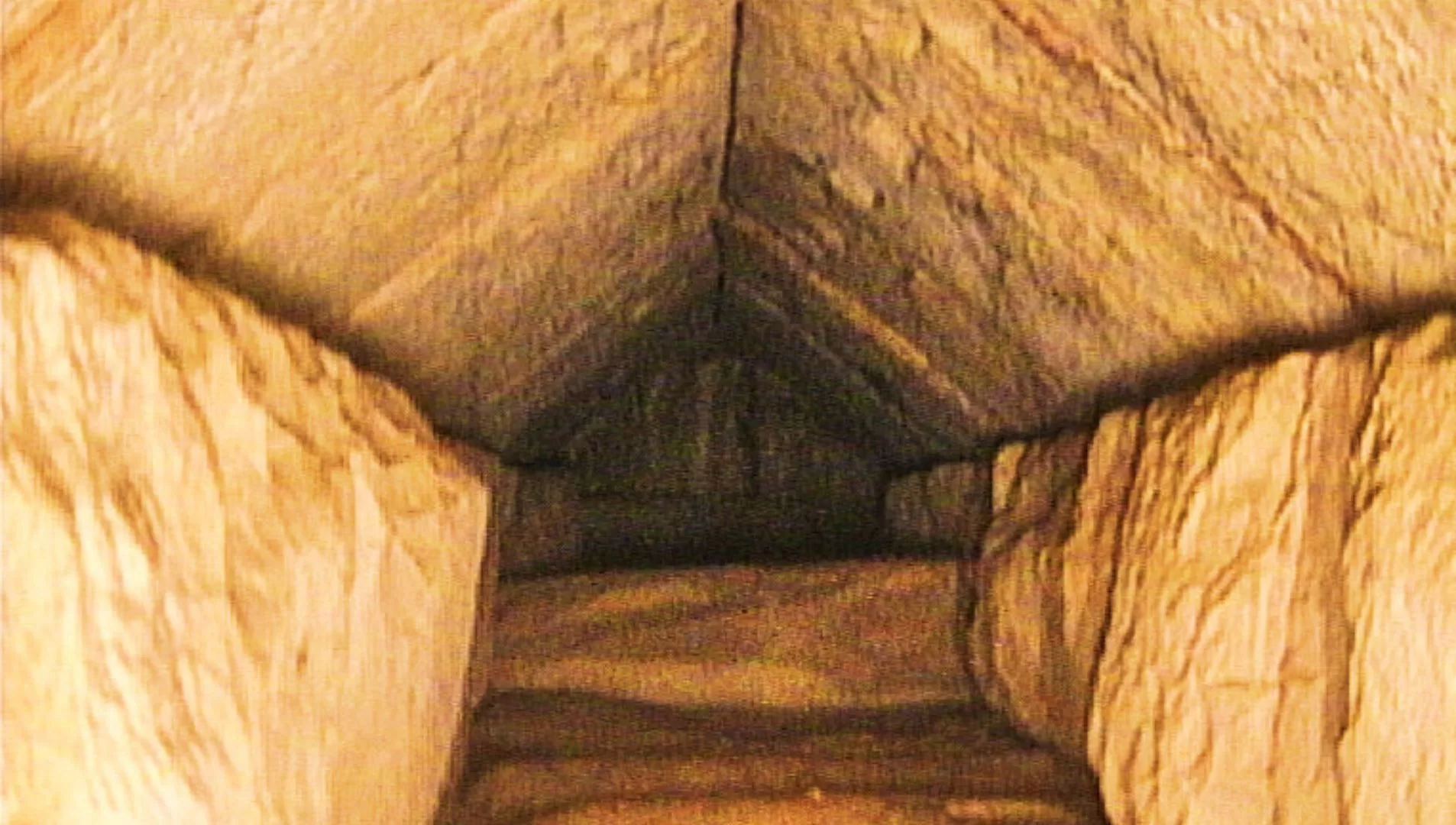
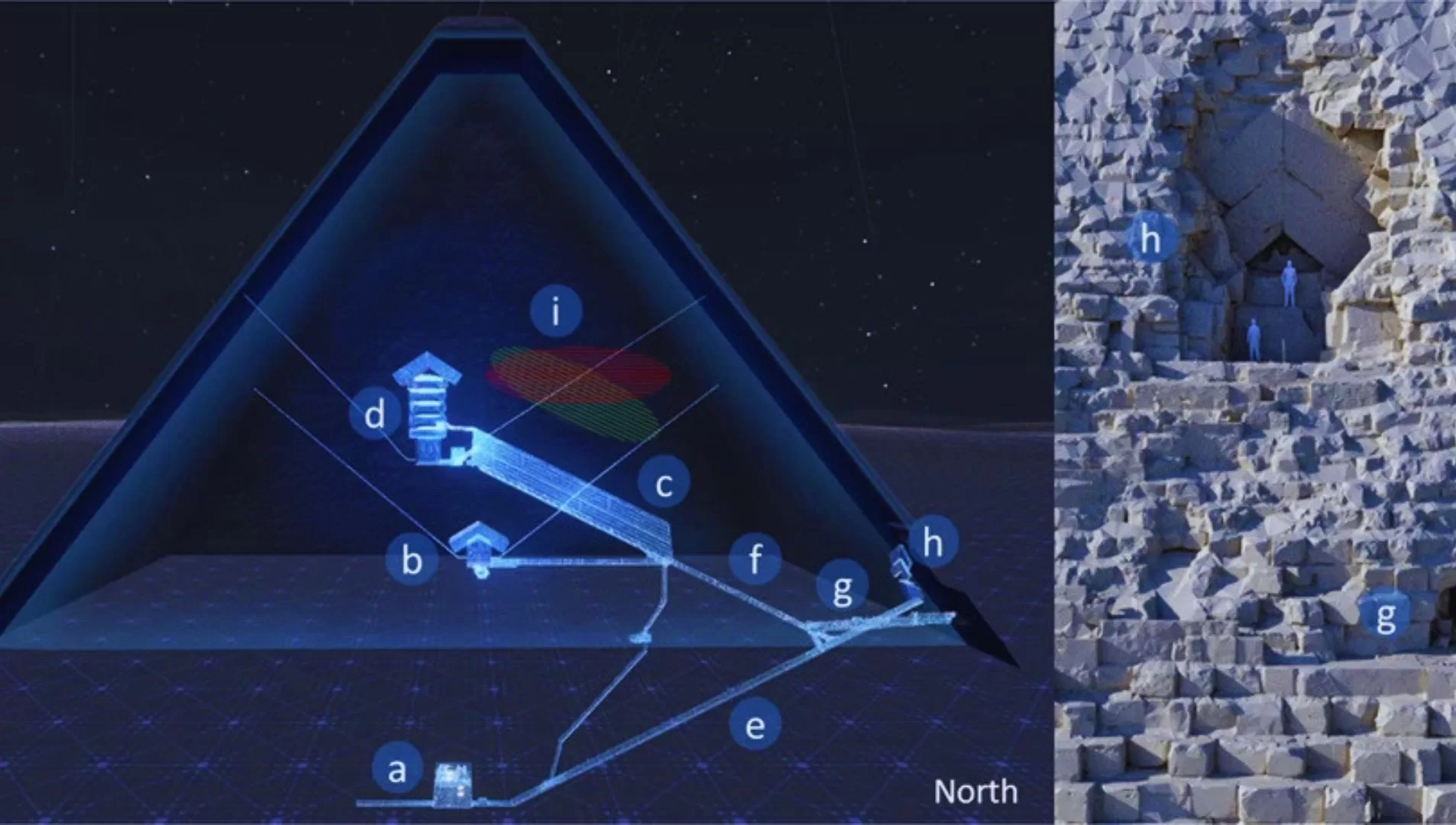
The Subterranean Chamber is one of the most interesting of the structures discovered beneath the Great Pyramid.
This room differs from the King’s Chamber and Queen’s Chamber where the walls and floor are cut into the rock from below the pyramid. It leads to the front by a landing down through a descent below the foundation level.
It’s interesting that this chamber looks unfinished. Its rugged walls and unfinished look have given rise to many perplexing debates by archaeologists.
There are a number of theories that have been proposed about it being:
- A burial chamber that was used early that was preempted because of changes in plans.
- A symbolic chamber that is a representation of the Egyptian underworld.
- A place where things are stored during the building process.
- An architectural experiment which was abandoned.
Though it has been extensively studied, it is still not known exactly what it is used for.
Hidden Shafts That Continue to Puzzle Experts
The Great Pyramid is home to many narrow passages which connect the King’s and Queen’s Chambers. At first thought, it was thought that these were serving as ventilation openings, however some were found to end with a closed stone door with copper handles.
Mysterious passages were explored by robotic explorations in the early 2000s. The scientists discovered another small room and another rock barrier behind one of the closed doors.
The find sparked excitement around the world, as it showed that the pyramid still hadn’t been explored in all its areas after centuries.
Though these chambers have not yet uncovered amazing finds, they demonstrate the existence of hidden architectural features associated with ancient Egyptian engineering that cannot be explained.
The Discovery of the “Big Void”
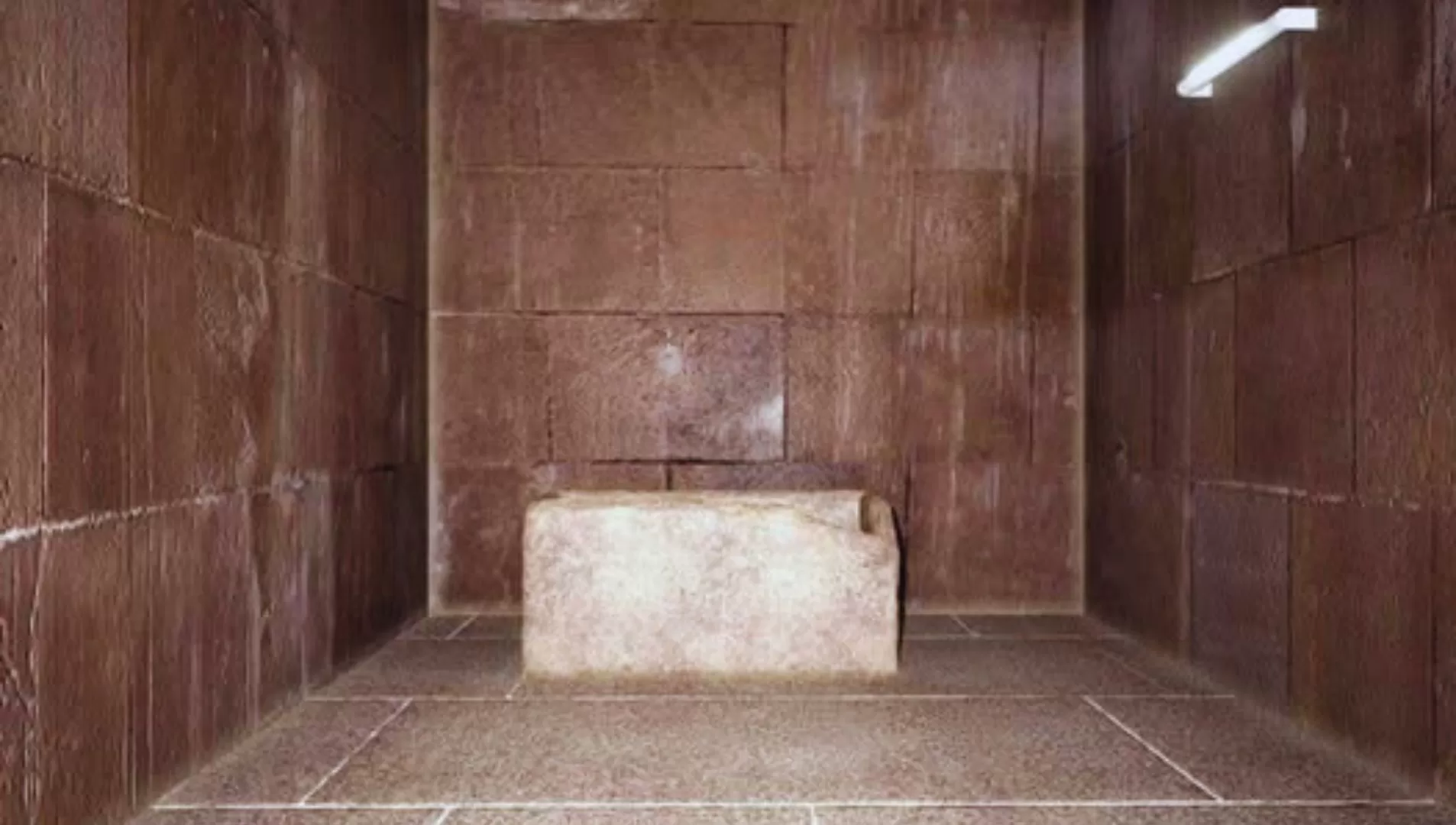
In 2017, the researchers made one of the biggest archaeology discoveries of the year by employing the muon tomography technique, which revealed a new chamber hidden inside the Great Pyramid.
The space, dubbed The Big Void, is thought to be at least 30 meters long and is situated above the Grand Gallery.
The muon scanning technique is different from the conventional excavation technique because it does not require damaging the large stone structures to sense the space in the interior. The muon scanning technique is also different from the conventional excavation technique, in which the space in the interior of the massive stone structures is sensed without damaging the structures.
It was the discovery that showed that there can be large areas concealed for thousands of years.
It is still not known if the void is:
- A chamber for relieving the stress in the structure.
- An unfinished corridor.
- A secret ceremonial area.
- A feature of engineering only used with pyramids.
The chamber is a mystery of archaeology yet to be solved, for it has not been accessed directly.
Underground Tombs Around the Pyramids
The surrounding plateau has hundreds of underground tombs, although the majority of the attention goes to the pyramids.
These grave sites have been discovered of the following:
- Royal officials
- Priests
- Skilled craftsmen
- Pyramid builders
- Noble families
These discoveries have created a whole new understanding of ancient Egypt.
For several years, the assumption was slaves constructed the pyramids. But the finding of labourer’s graveyards indicates that many of these workers were professional craftsmen who received proper burials in the proximity of the monuments built by them.
These underground tombs continue to provide valuable information about daily life, religious beliefs, and engineering techniques during Egypt’s Old Kingdom.
Are There Secret Tunnels Beneath Giza
The ancient historians have talked about the subterranean passageways between temples and monuments from time to time.
Recent excavations and surveys have revealed several below-ground corridors and shafts in the plateau area. But at present, no definite proof of an extensive tunnel system under all three pyramids exists.
Many of the known passages were used for their practicality such as:
- Burial access
- Construction routes
- Drainage
- Temple connections
Stories of hidden underground worlds have also been brought about by the natural limestone caves.
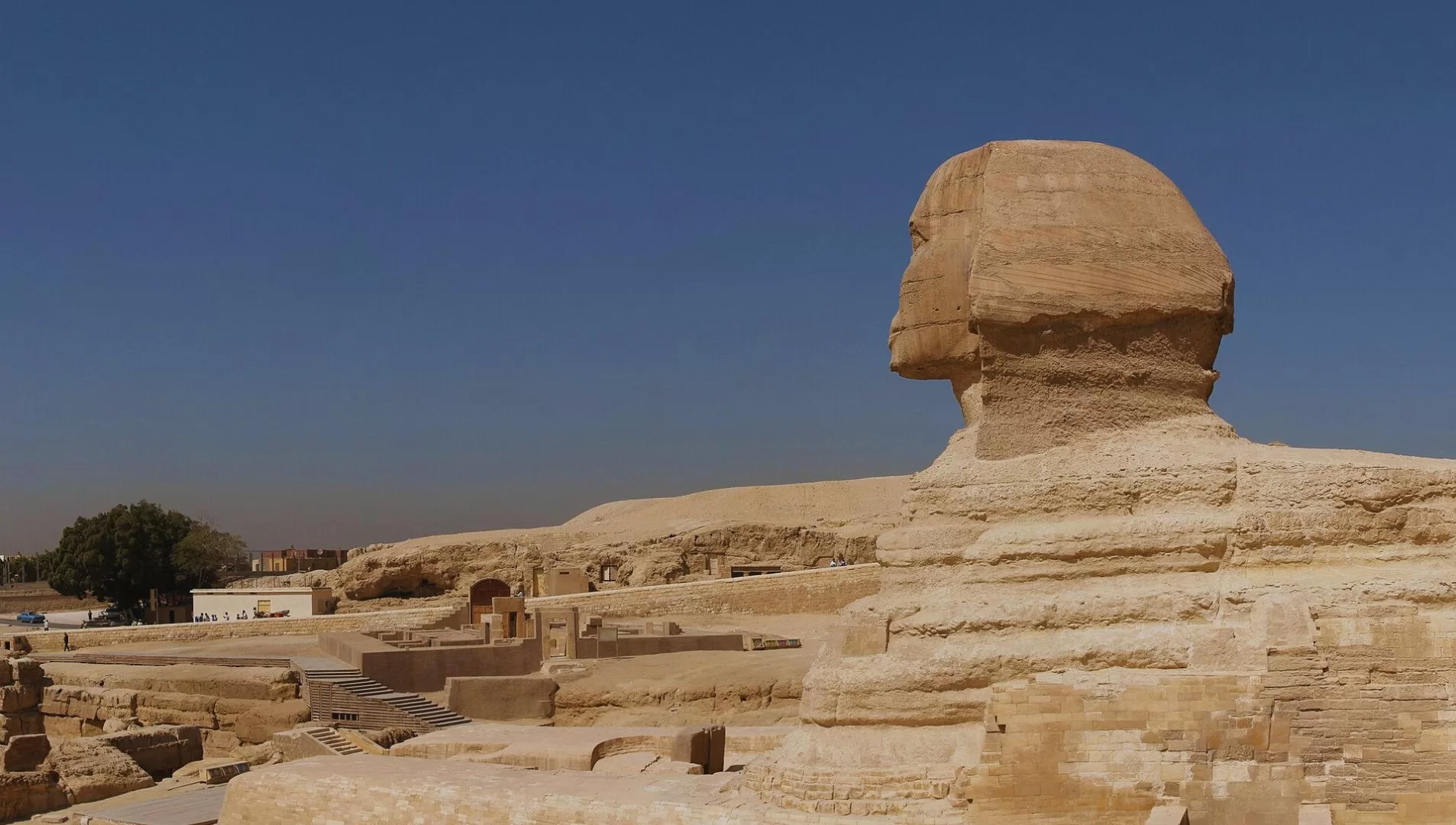
The Legend of the Hall of Records
None of the mysteries have been more popular than the legendary Hall of Records.
Popular legend has it that there is an ancient chamber that’s full of priceless knowledge beneath the Great Sphinx or under the Giza Plateau.
As per some stories, it contains:
- Lost Egyptian history
- The scientific knowledge developed in ancient civilizations
- Books and maps of lost civilizations
- Sacred religious texts
- Records of Atlantis
This legend became popular in the twentieth century, especially due to the work of the American mystic Edgar Cayce.
Over the years, many archaeological investigations have been carried out without any evidence of the existence of such a chamber. However, the Hall of Records is one of the oldest legends in Egypt.
Could an Underground City Exist
- There are many documentaries, novels and online discussions about the underground city beneath Giza.
- Supporters cite the unusual readings of the radar, ancient writings, and unexplored parts of the plateau.
- Prospective archaeologists, however, are not so sanguine.
The large scale underground cities demand large infrastructure, ventilation, water management, and the construction proof. None of these have been definitely discovered under Giza. Yes, isolated chambers, tunnels and tomb complexes do exist, but there is no credible archaeological proof that there is a hidden civilization.
Modern Technology Is Changing Everything
Traditional archaeology frequently involved digging, also, which posed the danger of harming ancient monuments.
Forward organisms are currently known to possess the following techniques for fighting:
- Muon tomography
- Ground-penetrating radar
- Infrared thermography
- 3D laser scanning
- High-resolution satellite mapping
These technologies enable scientists to explore hidden parts of the pyramids without any harming effects.
Other chambers could be discovered in the future, which have not been accessed since the pharaoh’s time.
Why So Much Remains Unknown
Many people think that archaeologists have been through the pyramids. Actually, when it comes to investigating such ancient monuments, it’s very slow.
There are a number of reasons why exploration is inhibited:
- Preservation concerns
- Structural safety
- Government regulations
- Scientific verification requirements
- Ethical archaeological practices
By taking this approach, researchers do not need to unnecessary drill or excavate the sites, which are UNESCO World Heritage monuments.
As technology advances new information will be discovered without harming any object, based on non-invasive techniques.
Separating Fact from Fiction
There are countless sensational claims in the internet regarding the Giza Pyramids. Some of the discoveries are real, while others are embellished or misrepresented.
Supported by evidence:
- There is a chamber underneath the Great Pyramid called the Subterranean Chamber.
- Burial shafts and tombs lie around the plateau.
- Muon imaging was used for detection of the Big Void.
- There are hidden shafts and sealed passages within the pyramid.
Unreliable in that it is not substantiated by evidence:
- Alien Technology under Giza.
- A great subterranean city.
- The actuality of the existence of the Hall of Records.
- There are secret machines in the pyramids that are used to store the energy.
It is important to separate the known from the unknown in order to keep archaeological research intact.
Conclusion about Giza Pyramids
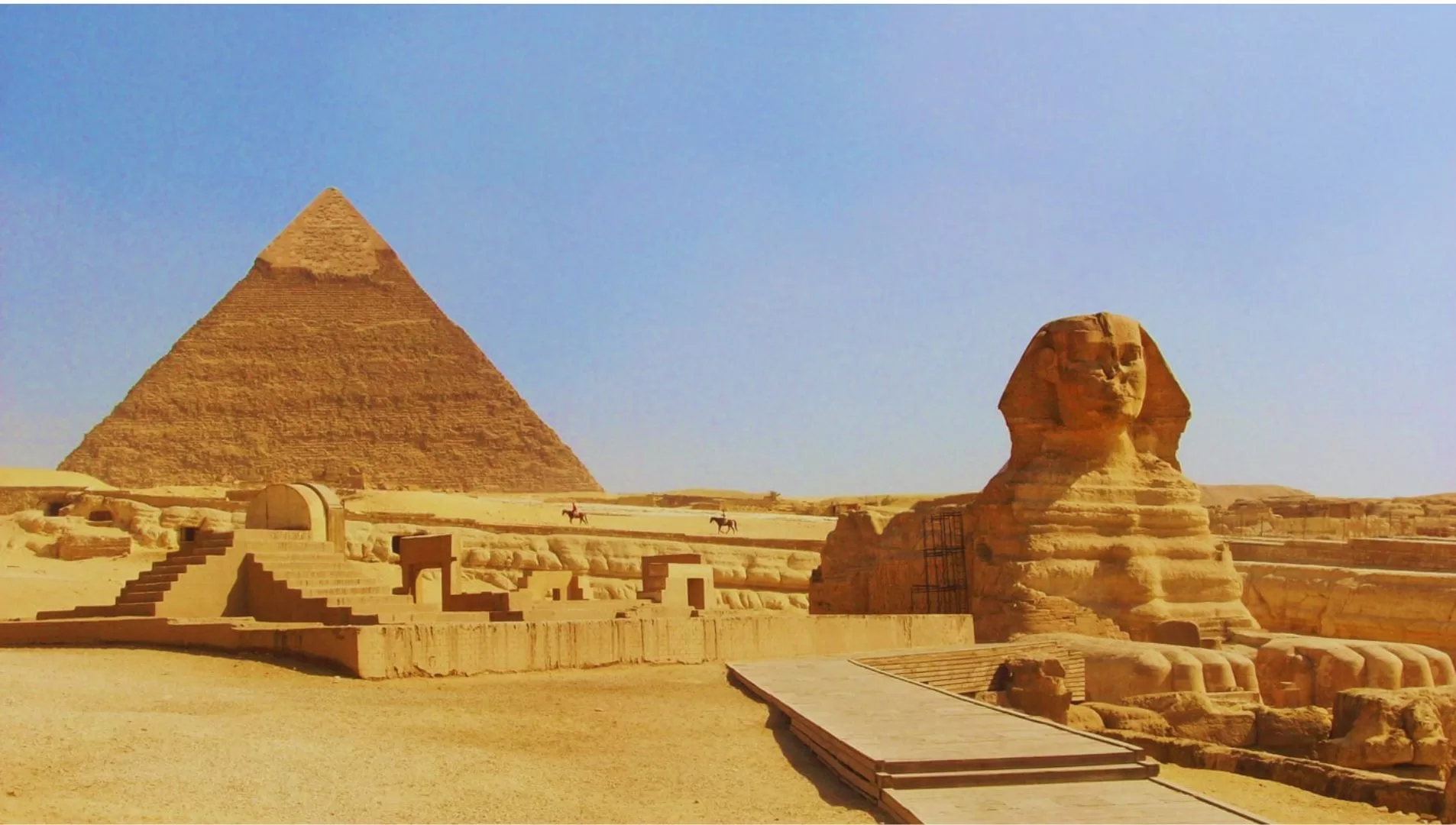
The secrets of the Giza Pyramids remain shrouded in mystery, keeping the world captivated. There are still many questions that have yet to be answered and many hidden chambers, burial complexes, shafts and unknown voids that have been discovered.
Fascinating is not just what has been found, but what might be found under thousands of tons of old limestone. Every technological advancement presents a new chance to discover secrets which have been locked up for over four thousand years.
As more research is conducted, more chambers, forgotten corridors, and perhaps even new architectural elements will be discovered, but one thing is certain: the Giza Pyramids will keep their secrets for as long as they wish. After centuries of exploration, history still holds secrets patiently waiting beneath the sands of Egypt for us to uncover one by one, and their underground world is hieroglyphics for us to read.






0 Comments