
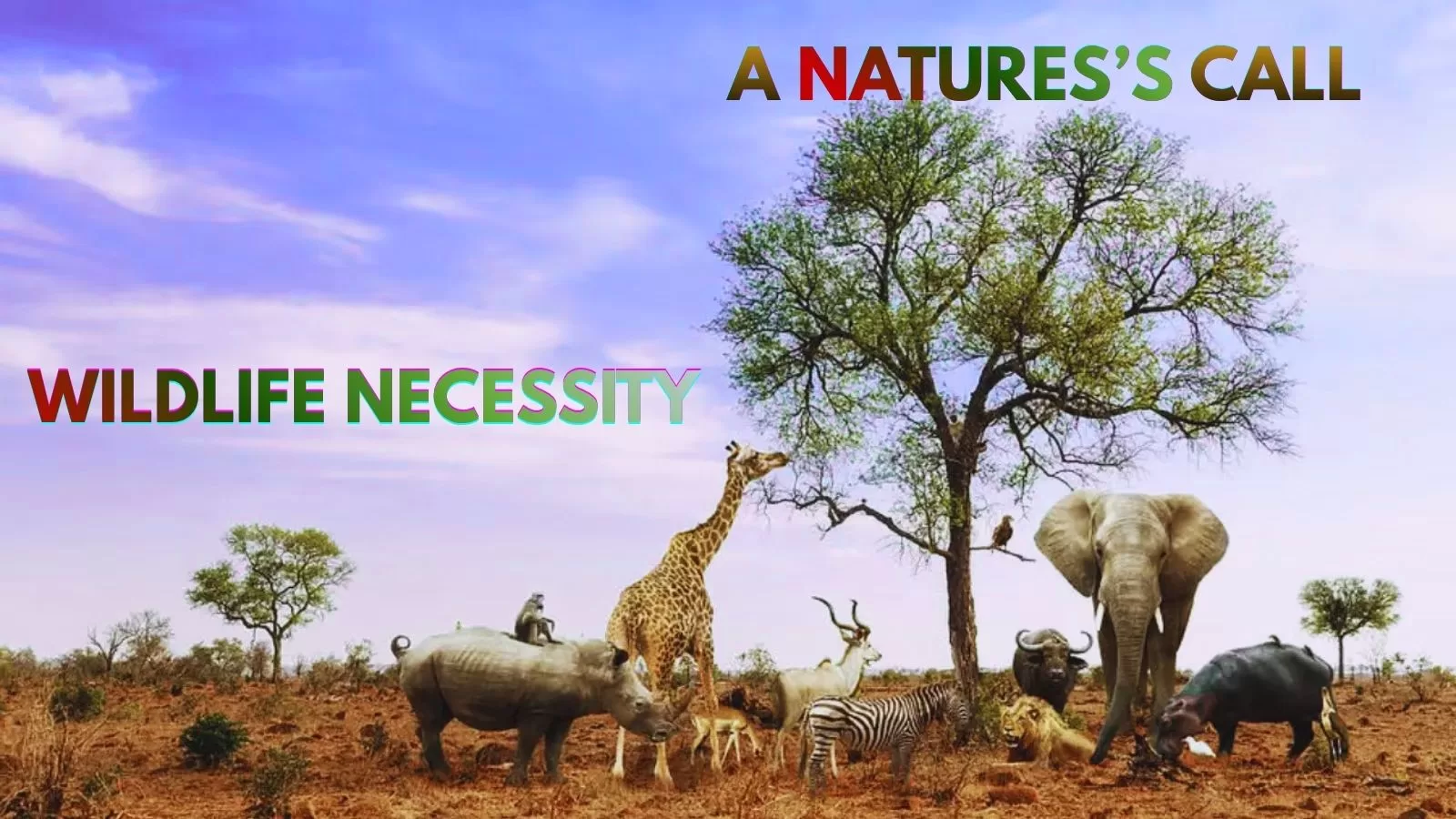
India is the home of more than 7% of the world’s biodiversity and has an amazing variety of wildlife such as Bengal tigers, Asiatic elephants, one-horned rhinos and snow leopards. But due to the pace of urbanization and deforestation, poaching and climate change, our abundant wildlife is constantly threatened.
Conservation of wildlife is not just about conserving wildlife but it is also important for the ecological balance, local communities and for the conservation of India’s natural heritage. This article talks about the importance of wildlife conservation, dangers to wildlife and what we can do to protect them.

Wildlife Conservation is Essential for Ecological Balance
It is essential that wildlife is conserved so as the ecological balance is maintained. All species, irrespective of their size and scope of their existence, are very important in balancing nature. The extinction of one species can trigger a domino effect, impacting entire ecosystems. Animals play an essential role in ecosystems. Wildlife in an ecosystem is important.
- Prey management: Tiger and leopard keep vegetation in check so as not to overgrow.
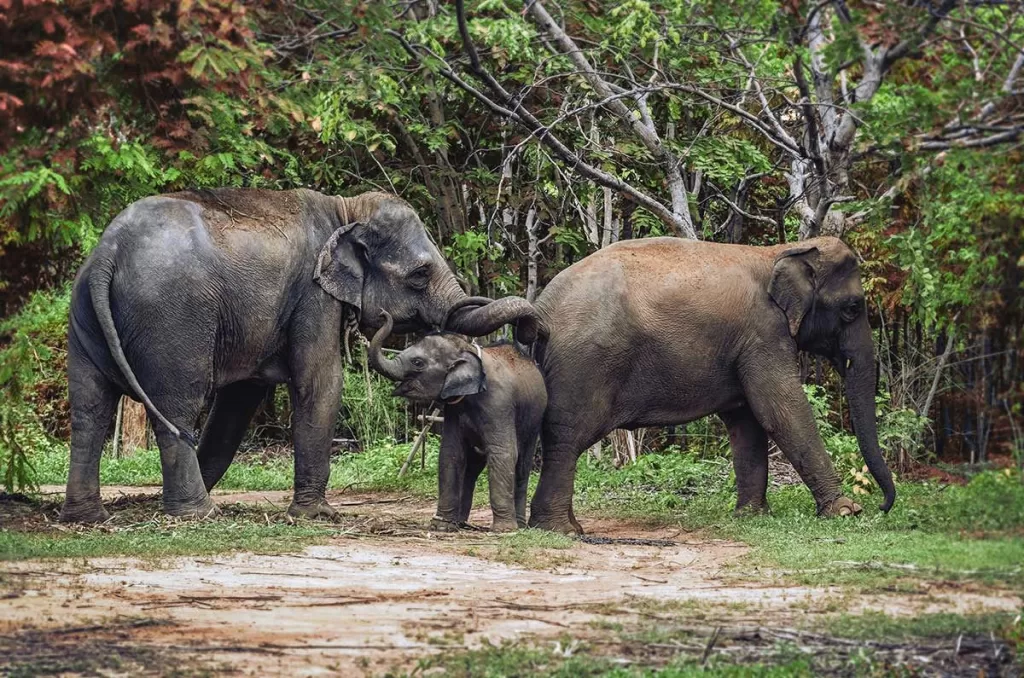
- Elephants: Are ecosystem engineers, seed dispersers and water holes producers.
- Bees & Butterflies: Essential for pollination, agriculture, plants growing.
- Scavenge carcasses and don’t spread disease, vultures.
India has more than 400 wildlife sanctuaries and 100+ national parks and the protection of these species will help forests, rivers and grasslands to flourish.
India’s Unique Biodiversity is at Risk
Although there are a lot of species in India, they are put in danger by humans.
Endangered Species in India:
- Bengal Tiger – Wild population of less than 3000 Tigers in Bengal.
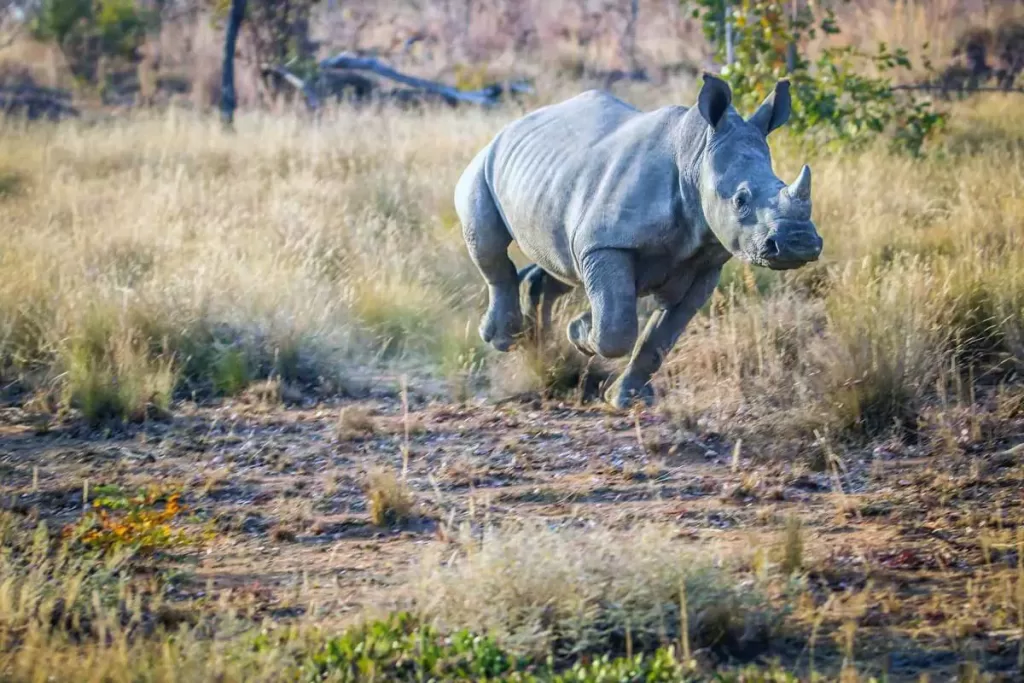
- A Single Horned Rhino – Only in Kaziranga National Park, Assam.
- Asiatic Elephant – Over 80% of their habitat is under threat.
- Snow Leopard – Losing habitat as a result of climate change.
- Great Indian Bustard – Rarest of birds with less than 200 remaining.
If we do not take steps for conservation, India will soon lose its iconic wildlife.
Wildlife Conservation Supports Local Communities
Protecting wildlife is not merely aiding the environment but also aiding millions of people who make a living from eco-tourism, sustainable forest management and wildlife conservation initiatives.
What is the value of Wildlife Conservation to People
Eco-tourism Jobs – Guides, naturalists and safari operators are employed by wildlife tourism. Traditions are maintained with the protection of forests and animals by indigenous communities like the Bishnoi and Gond tribes.
Sustainable Resources – Forests are a source of sustainable timber, medicinal plants, and fresh water. With responsible tourism practices at sites such as Tipeshwar Wildlife Sanctuary, the welfare of the animals and the local population can be maintained along with each other.
Wildlife tourism adds about $200 million to the Indian economy every year. Some of the popular national parks that attract a large number of visitors are Ranthambore, Jim Corbett and Kaziranga national parks.
Economic Benefits of Wildlife Conservation
- Boosts Gross Domestic Product: Tourism Promotes Conservation Initiatives.
- Generates Employment Opportunities: For forest rangers, conservators and other hospitality jobs.
- Fosters Sustainable Tourism: Encouraging eco-friendly lodges.
By protecting the wildlife of India, it allows future generations to see the glory of India’s wildlife amidst economic development.
Illegal Trade & Poaching: Growing Problem
Despite existing laws regarding conservation of wildlife in the country, illegal wildlife trade and poaching continues to pose a threat due to demands for animal products.
Top Most Traded Animals in India:
- Rhino Horns – Exported as they have medicinal value.
- Tiger Skin/Bones – Very valuable on the black market.
- Snakes/Reptiles – Captured and sold as pets.
- Turtles/Pangolins – Sold for consumption and medicinal purposes.
Solutions to Combat Poaching
- Better Laws and Patrols – Using advanced surveillance tech to help forest rangers enforce the rules about protecting the forest.
- Rethinking tourism as an alternative livelihood – Mitigating illegal wildlife trade.
- Community-Led Conservation – Engaging the community in animal conservation.
- Climate Change & Habitat Destruction – A Silent Killer.
The increasing temperature, deforestation and climatic changes pose a serious threat to Indian wildlife.
What is the impact of Climate Change
- Tigers and Elephants lose their habitats because of Shrinking Forest – Deforestation.
- Frequent Wildfires – Destroy nesting sites and food sources.
- The melting glaciers – Threaten the Himalayan species, such as Snow Leopard.
- Sea levels are on the rise – Affecting mangroves such as the Sundarbans.
Conservation Measures:
- Afforestation Projects – Rehabilitation of lost habitats.
- Sustainable Tourism – To promote eco-lodges.
- Wildlife Corridors – Linking up patches of habitat for safe animal migrations.
How You Can Help to Save Wildlife in India
Conservation of wildlife is not only the responsibility of the government, but everyone.
Ways to Contribute:
- Support Ethical Tourism – Stay in ecologically friendly accommodations.
- Raise Awareness – Share conservation success stories.
- Donation to Organisations – Donate to WWF India, WTI or NTCA.
- Minimize plastic waste – Do not litter in forests and national parks.
The decisions we make to ensure sustainable options can help ensure that India’s rich biodiversity flourishes for generations to come.
Conclusion: Conservation of India’s Wildlife for the future
Conservation of wildlife is not only for animals, it is for the ecosystems, livelihoods and economic sustainability of India. By adopting conservation measures, responsible tourism, and engaging with the communities, it is possible to ensure that India’s natural heritage is preserved for generations to come. Discover the Luxuries, where comfort and conservation go hand in hand, for a luxury, yet responsible, wildlife experience.





0 Comments