
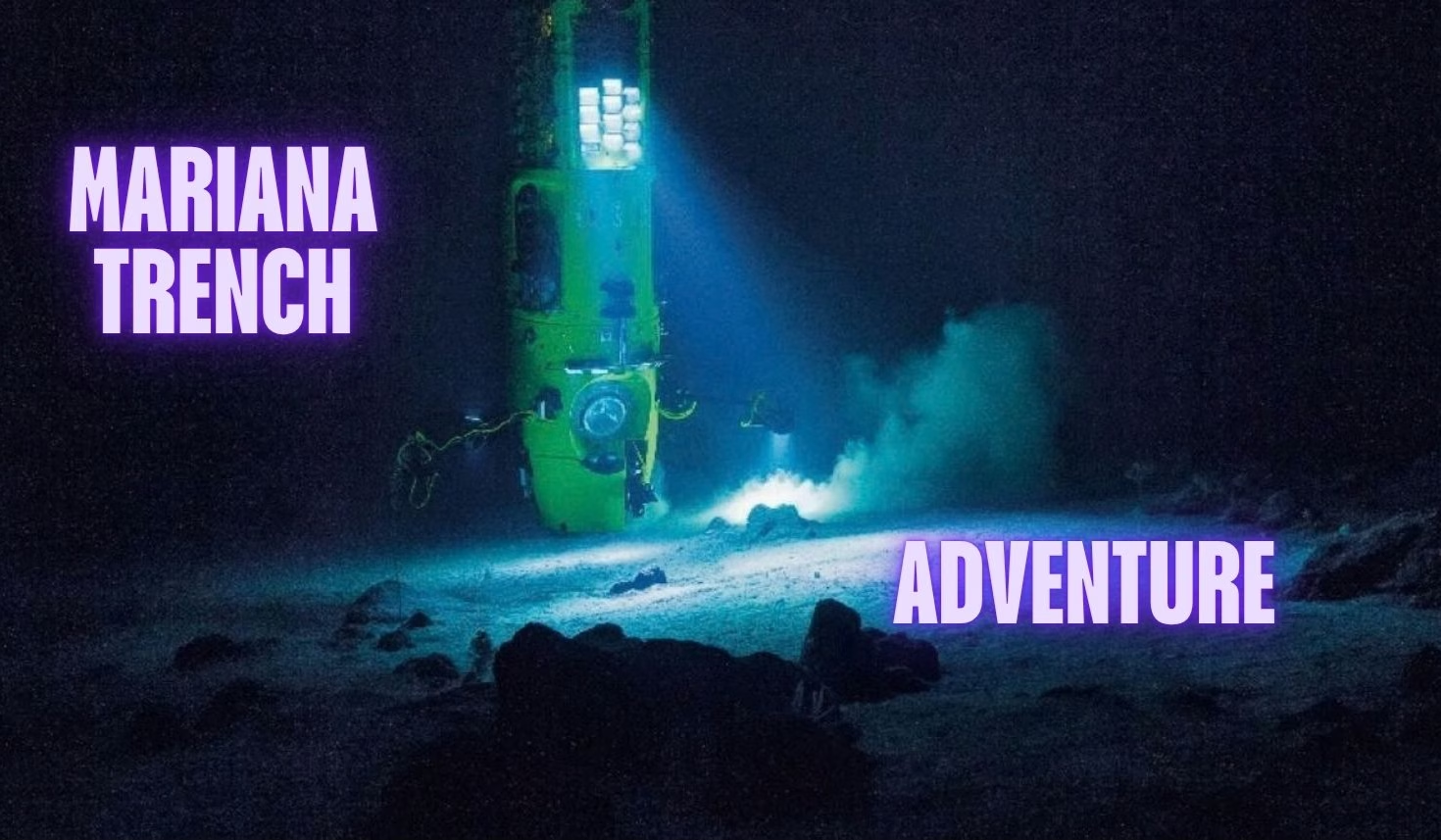
Below the surface of the Pacific Ocean lies a location so far away, so dark, so extreme that it is more like another planet than home. The deepest known ocean trench on Earth, the Mariana Trench reaches almost 11 kilometers below sea level in its deepest part. At such depths, there is no light, the temperature is near freezing, and the pressure is extremely high.
For centuries, humans only had their imaginations to go on when it came to what lay in these unexplored depths. Modern submersibles and robot vehicles today have enabled explorers and scientists to venture into this amazing underwater realm. However, in spite of technological advances there are still places on our planet that are unexplored, even in the Mariana Trench.
A trip to the bottom of the earth
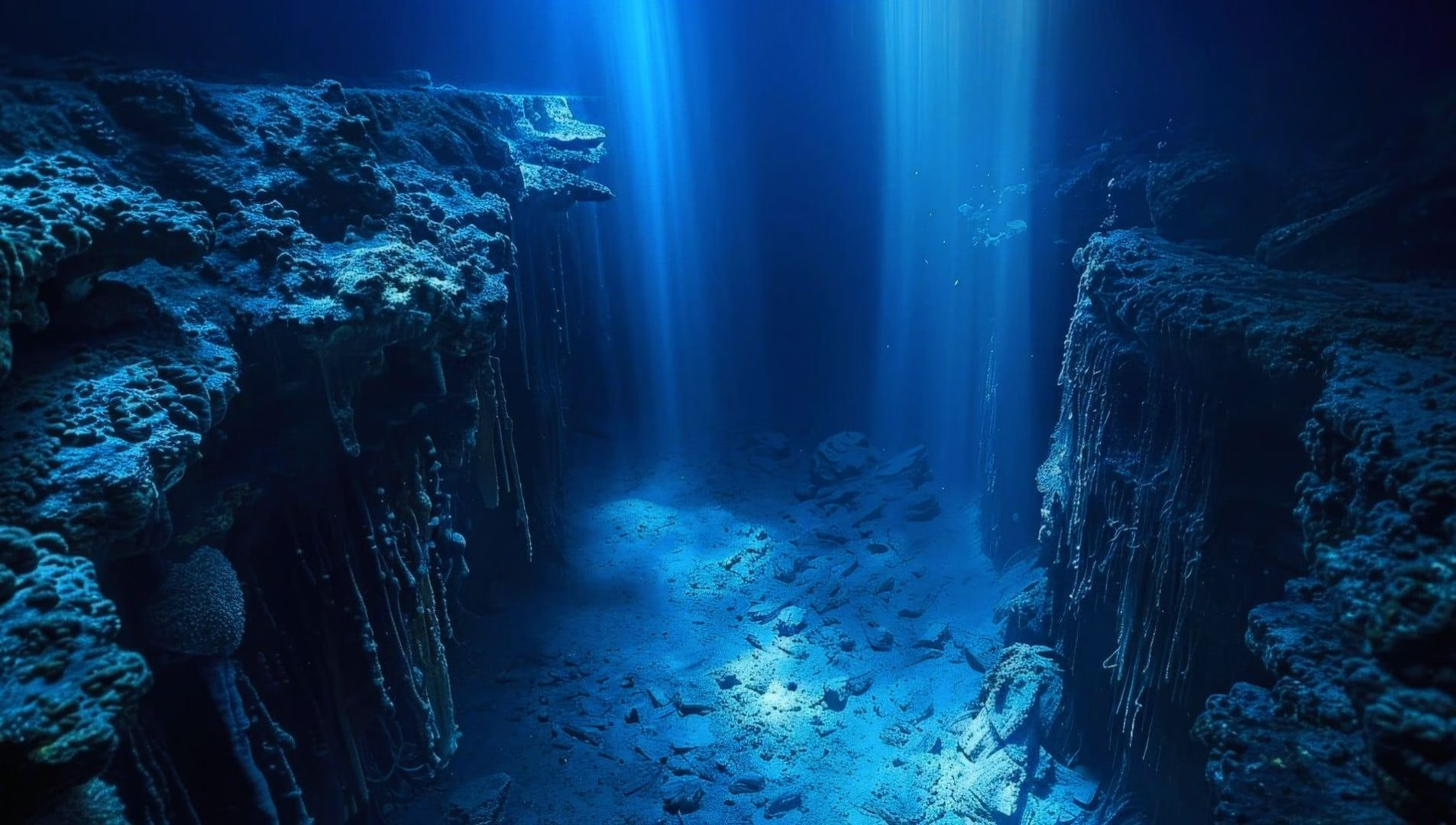
The western Pacific Ocean, east of the Mariana Islands is where the Mariana Trench is located. It is formed as a result of a geological phenomenon called subduction, the movement of one plate under another.
The deepest known area of the trench is called Challenger Deep. The depth of its deepest areas has been determined by measurement and has been subject to variation according to the equipment and methods used, but the modern estimates are in the region of 10,900 meters below sea level.
To illustrate just how deep it is, Mount Everest could fit into the trench with the top of its peak still over 1 km underwater.
Going down is not the only way to reach Challenger Deep. It demands a special type of vehicle, one that can withstand the environment in which humans cannot.
Entering a World Without Sunlight
The trip into the Mariana Trench starts as a regular ocean voyage, but it is an exceptionally fast change as the vessel plunges into the deep water.
Sunlight gradually disappears. The aphotic zone is a permanent darkness at great depths.
The outside world, in a submersible, may be nearly pitch black. The powerful lights on the vehicle only light up a small area in front of the vehicle, and the rest of the ocean is left in the dark.
This can make for an odd feeling. In a deep sea exploration, the environment is visible only to a certain extent, in contrast to a mountain exploration where you can see for miles and miles.
Beyond the beam of the lights is an enormous, unexplored darkness.
The Crushing Pressure
Pressure is probably the biggest problem of the Mariana Trench.
The pressure at Challenger Deep is about 1,000 times more than at sea level. The force on an ordinary object would be tremendous if it were spread over each cm².
A traditional submarine with shallower water capabilities would not be able to just drop to the bottom. It would not be able to sustain itself.
Special adaptations are therefore necessary to make deep diving vehicles pressure-resistant. A human-occupied submersibles crew compartment is frequently designed around a sturdy spherical pressure vessel, since it is most efficient at distributing external pressure.
Weaknesses, no matter how minor, can be serious issues at great depth.
So the descent is not only an adventure for explorers, but also an engineering challenge!
The Historic Descent
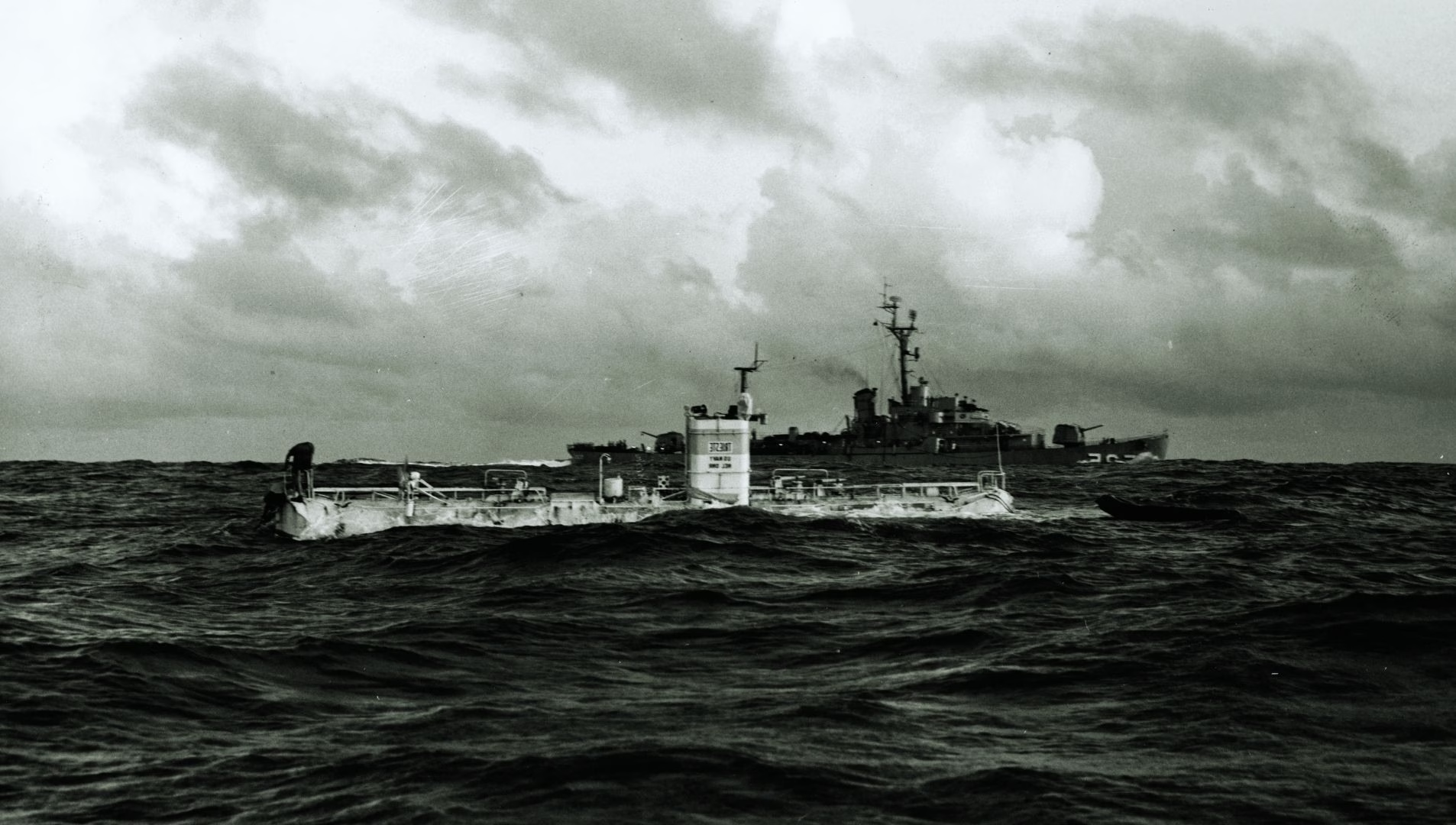
In 1960, one of the most famous voyages to Challenger Deep was conducted.
Don Walsh of the U.S Navy and Swiss oceanographer Jacques Piccard were in the bathyscaphe’s Trieste. With their historic dive, they had proved that humans can descend to the deepest part of the ocean known to date.
The journey down was hours long and the explorers were only allowed to spend a certain amount of time at the bottom before they started their ascent.
Their quest changed our perspective of the deep environment of the earth. The ocean bottom was no longer a theoretical space, but an actual one travelled by human beings.
With the advances of technology over the years, other explorations would be made decades later.
Exploring the Deep With Modern Technology
The exploration of the Mariana Trench in the modern era is far from the pioneering dives that took place in the early 1900’s.
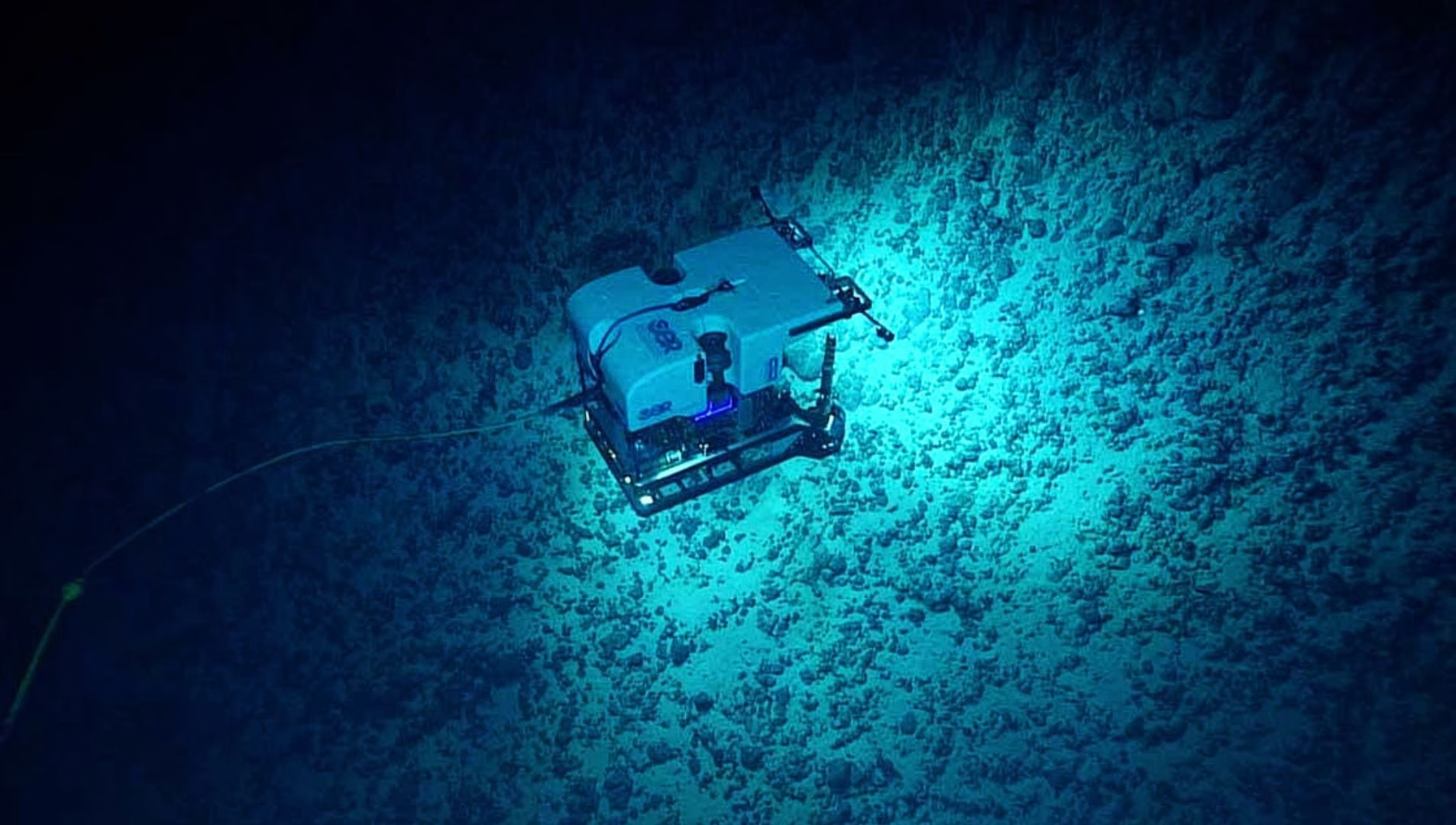
In today’s world, remotely operated vehicles (ROV), autonomous underwater vehicles (AUV), and advanced crewed submersibles can be used. These machines are capable of transporting cameras, sensors, sampling equipment and scientific instruments.
One of the most important advantages to robotic vehicles is that they can stay underwater for a long time, and travel through a space that would be extremely difficult for a human.
Odd shapes in the geology and creatures in the deep sea have been captured by high definition cameras, and scientific instruments record and report temperature, pressure, chemistry, and other environmental data.
The scientists can no longer only study what is hidden at the bottom of the trench but can now also study how these organisms and geological systems work.
Strange creatures of the Abyss
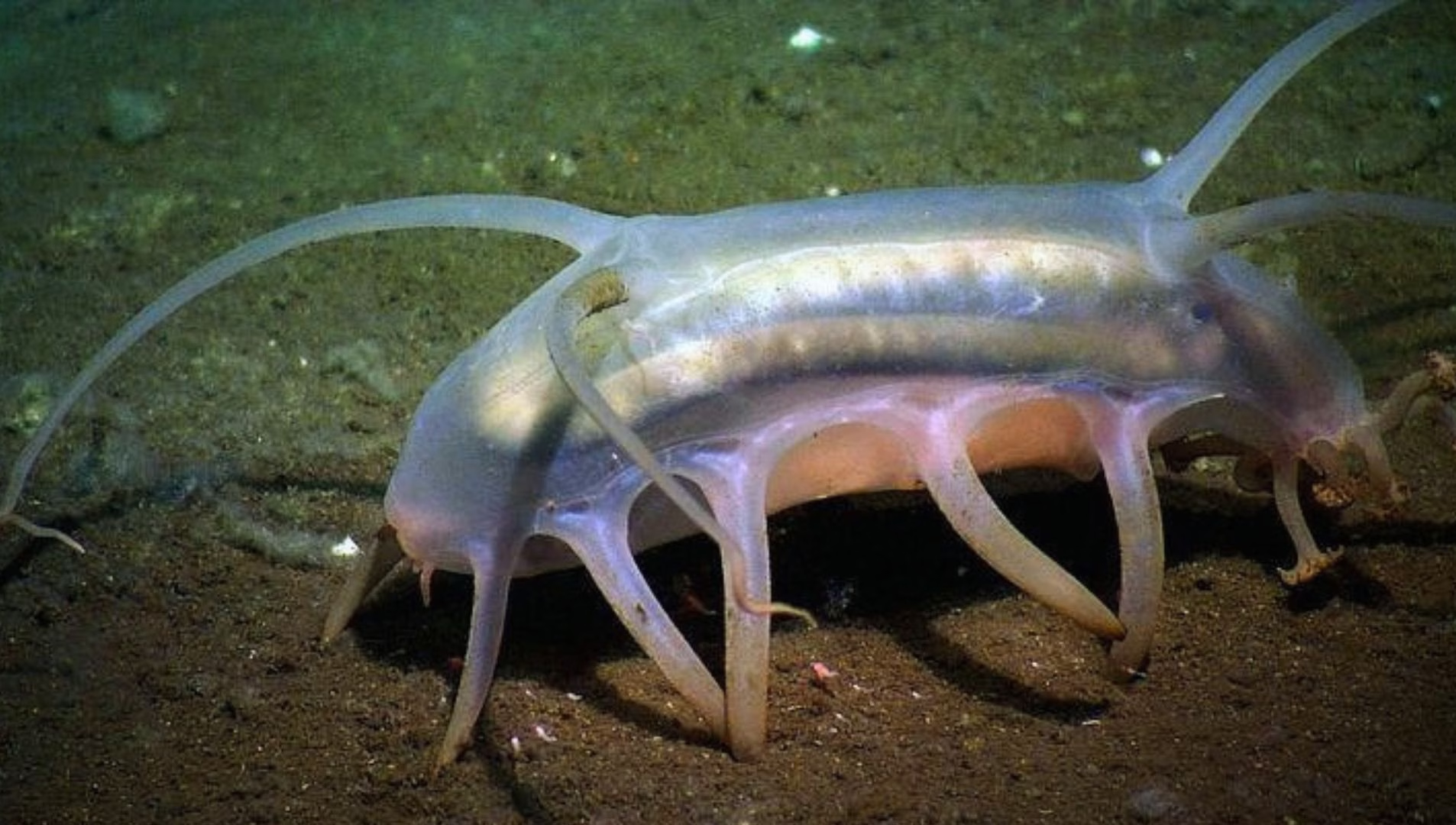
The animals of the Marianas Trench remain one of the most enigmatic of all mysteries.
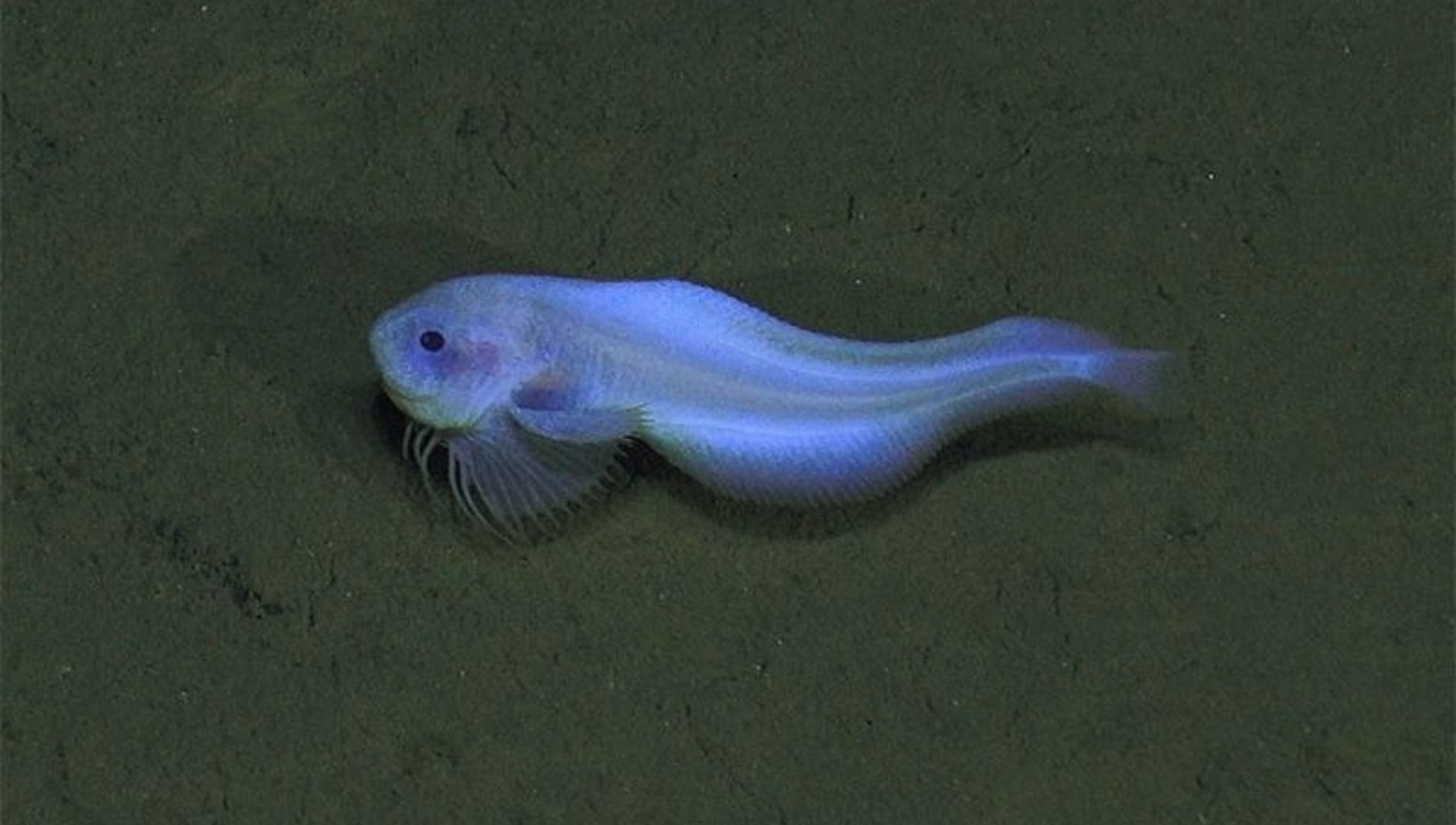
One might think that life would not be possible under such harsh conditions. However, scientists have discovered different types of micro-organisms and animals in and around the trench.
There are adaptations of some deep-sea organisms that are adapted to extreme pressure and darkness. Many of the deep-sea communities are ultimately dependent on organic material falling from above and/or chemical processes, rather than sunlight-driven ecosystems.
The role of very small organisms is of special significance. Microbes can exist in sediments under conditions that are very different from those at the surface of the sediments.
During deep-sea expeditions, scientists have also spotted unusual creatures, such as amphipods, sea cucumbers, and other deep-sea adapted animals.
Research is ongoing and will reveal more and more of life’s ability to survive in extreme environments, the deeper scientists dig!
A Landscape Under Water
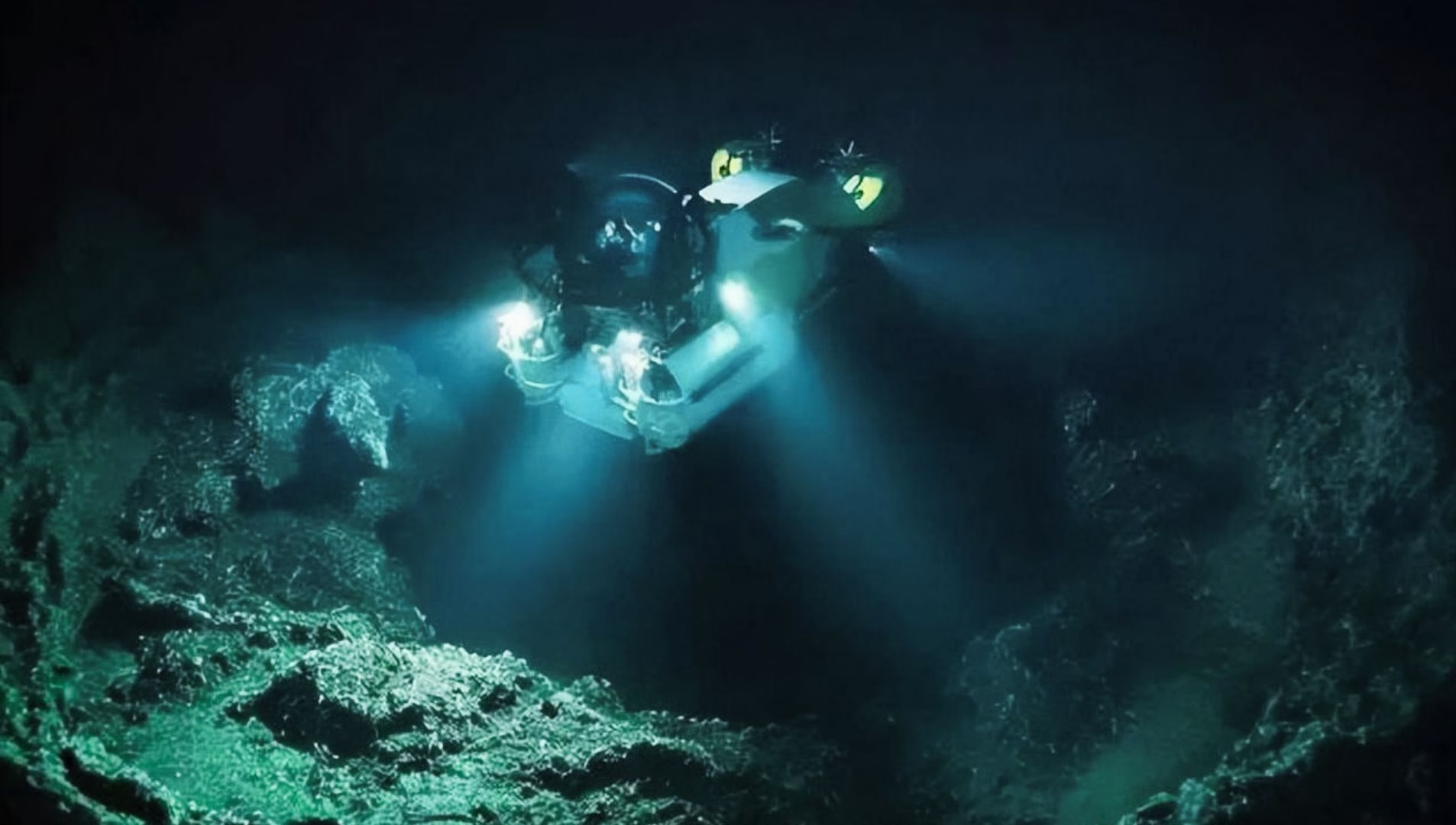
The Mariana Trench is not just a hole in the earth.
It has a rugged terrain with steep walls, sediment-covered zones, ridges, geologic features and irregular topography formed by tectonic activity.
The trench is one component of a complex system of plates in motion. The area remains under influence of earthquakes and other geologic phenomena.
The geologists find this environment informative because it shows them the behavior of the Earth’s crust at the edges of the tectonic plates.
While the view may be dark, and hard for humans to imagine, the use of scientific mapping techniques is creating increasingly detailed pictures of the seafloor.
The Psychological Challenge
An expedition to the Mariana Trench is not just a technological feat. It is also very mentally challenging.
Suppose you were in a small car as you came down thousands of meters to an ocean whose outside conditions could demolish a regular car in a matter of seconds.
No natural illumination. Limited communication with the surface is possible. The nearest land is extremely far away.
It can be very lonely.
Calm is important in the world of the explorer and procedure is essential. Rescue at this depth is extremely complex and requires much preparation for every expedition.
The experience is thus one of scientific exploration, engineering, preparation and man power endurance.
Searching for the Unknown
The Mariana Trench is far from being fully explored, even after decades of research.
Because of the vastness of the deep ocean, it is not necessary to visit one place to know the whole ecosystem. New life forms, odd geological phenomena, and unknown chemical reactions are continually being found.
Each expedition may give rise to new questions.
- How many different species do you think live in the deepest parts of the ocean?
- What happens to organisms when they are put in extreme pressure?
- Which geologic formations are forming in the trench?
- Are similar environments to be found in the Solar System?
The importance of deep-sea exploration goes beyond just curiosity, as these questions are being pursued.
What the Mariana Trench Can Teach Us About Space
The study of the Mariana Trench is truly an intriguing subject, and this is because it has parallels with space exploration.
The trench is a very harsh environment on Earth. It is dark, heavy, cold and deprived. Investigators of life in such environments are attempting to learn more about the limits of life.
The findings of this research may help inform the debate on the search for potentially habitable environments in the universe, such as the subsurface oceans thought to exist under the icy surface of moons like Europa and Enceladus.
As such, ocean exploration of the deepest depths may help scientists in their search for life beyond Earth.
The Future of Deep-Sea Adventure
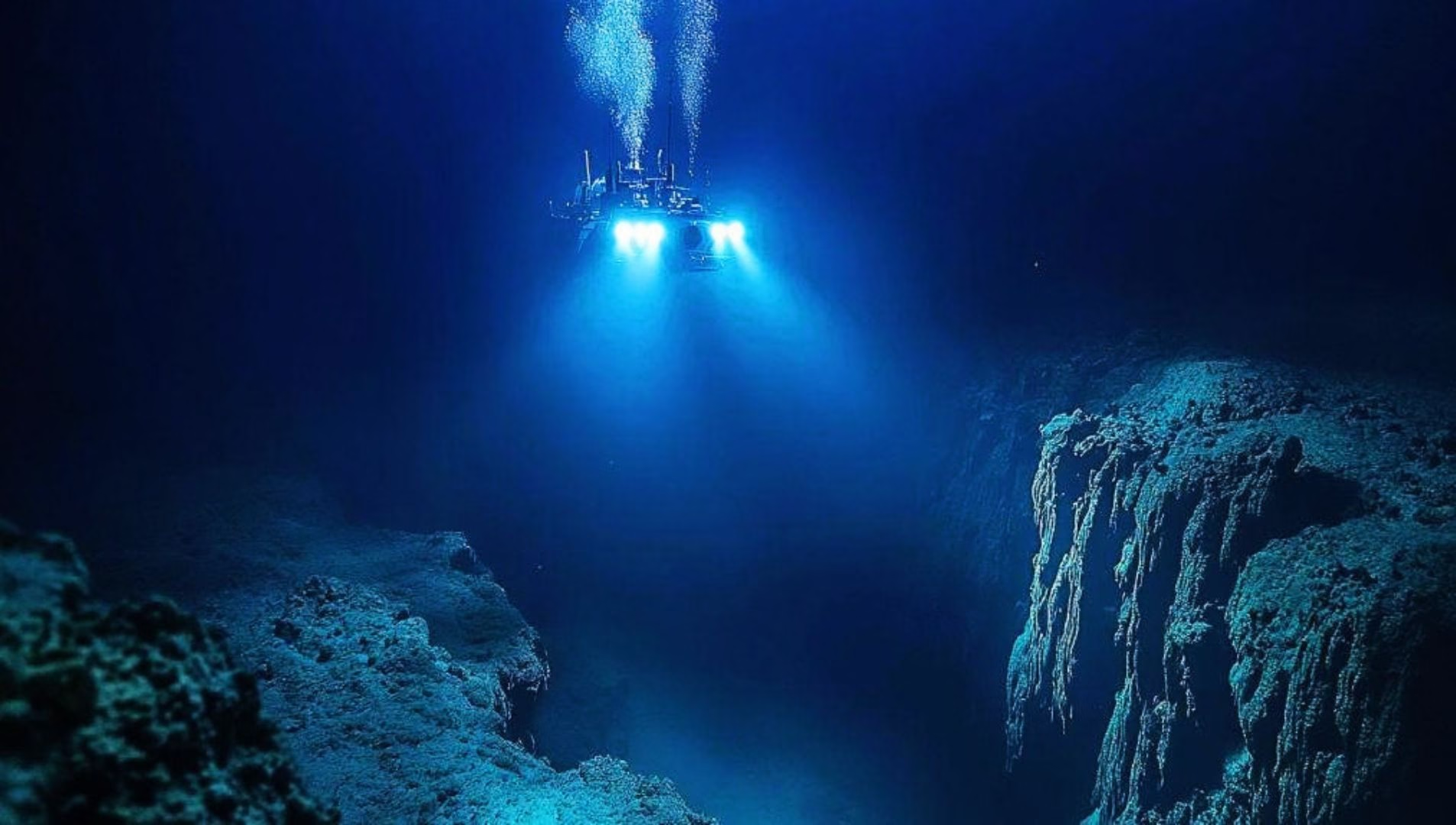
Robotic technology and autonomous systems will likely be a major part of the future of Mariana Trench explorations.
The more capable these underwater vehicles are, the longer scientists can spend mapping the trench, collecting samples and observing organisms and geological activity.
While still a major element in the story, human exploration will be complemented by robots in places where people cannot go.
The next missions may discover new ecosystems and geological formations in the universe.
Exploration of the Mariana Trench, therefore, might not make it less mysterious but more intriguing, with each discovery raising more questions.
Conclusion
The Mariana Trench is one of the most amazing frontiers on Earth. It’s under kilometers of deep sea water, total darkness, complete isolation, strange life forms, and powerful geologic forces.
Every expedition has deepened the knowledge of the deep ocean, from the first landing in the Trieste to today’s robotic ones.
But this might not be the best journey to the bottom. It’s finding out what’s dark.
Even in a place that people have been in for thousands of years, there is so much we don’t know about the Mariana Trench. Within that blackness are the possibility of life forms, geologic features, and the discovery of science that could alter our knowledge of life.
As such, the trip to the deepest spot on Earth is a journey more than an adventure. It is a journey to one of the final great frontiers of our own planet, which has yet to be explored.






0 Comments