
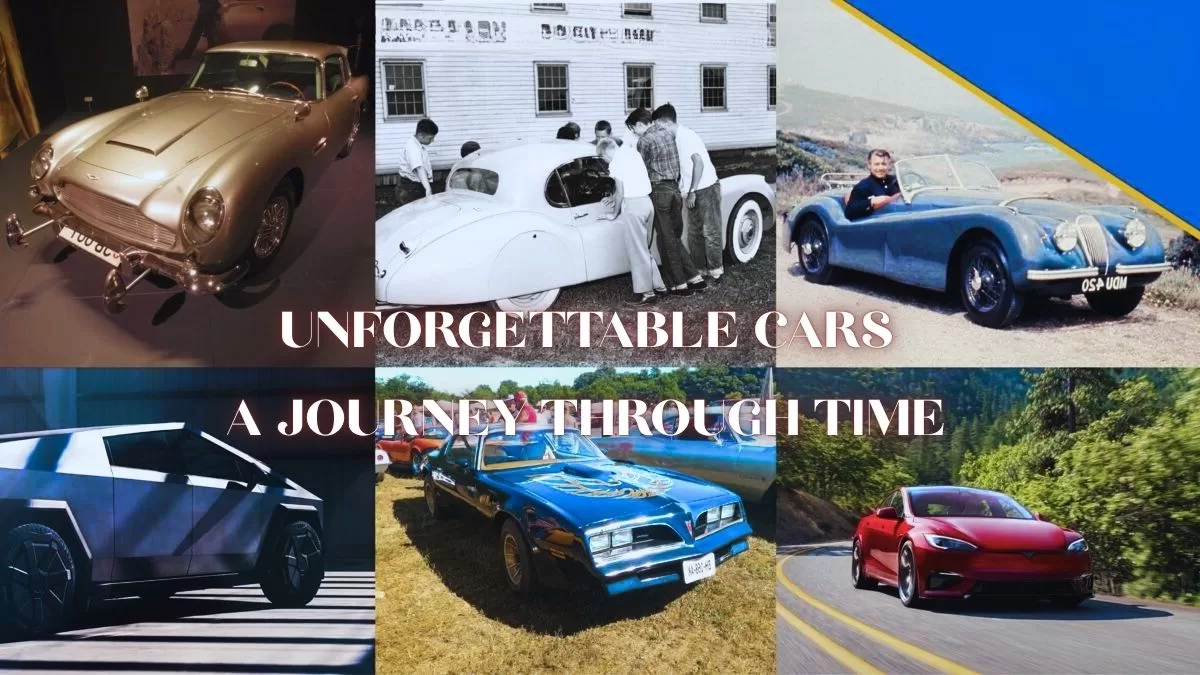
Introduction
Cars don’t just get you from point A to B – each one kind of stamps its era with a whole vibe. You look back at old movies or dig through your parents photo albums, and there’s always that one car that seems like the star of the show, even if it was nothing special back then. People’s choices? Always some crazy mix of what’s going on in the world—wars, money stuff, inventions, gas price freak-outs, or just new ways to live.
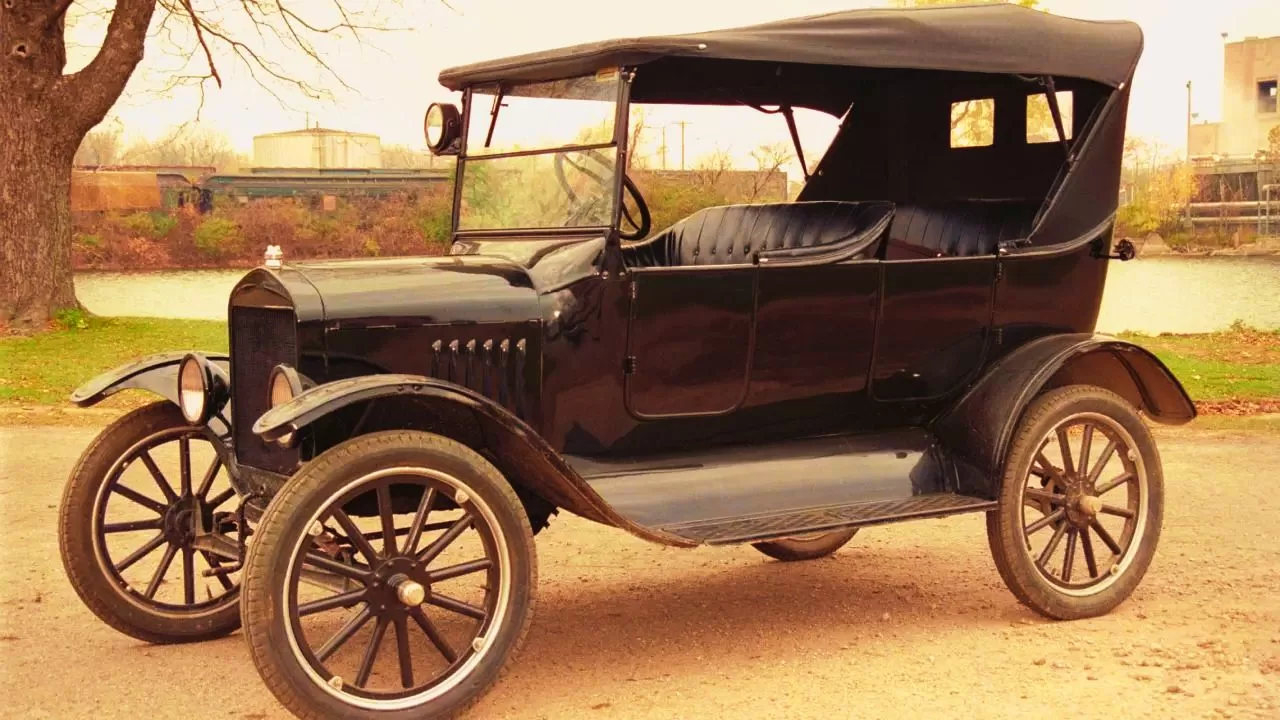
Take the 1920’s. You can’t not talk about the Ford Model T. Yeah, technically it rolled out earlier, but the ’20s was its playground. Henry Ford’s assembly line totally shook things up—suddenly regular people, not just the wealthy, could actually buy a car. Fancy? Not at all. The Model T was bare-bones but unstoppable, super simple, and if something broke, fixing it was usually a piece of cake.
By the end of the decade, cities weren’t the same. People could actually head out of town for a picnic or commute to jobs instead of being stuck within walking distance. The Ford Model T basically laid the map for the way we move around now, whether you’re a road trip junkie or just stuck in traffic.
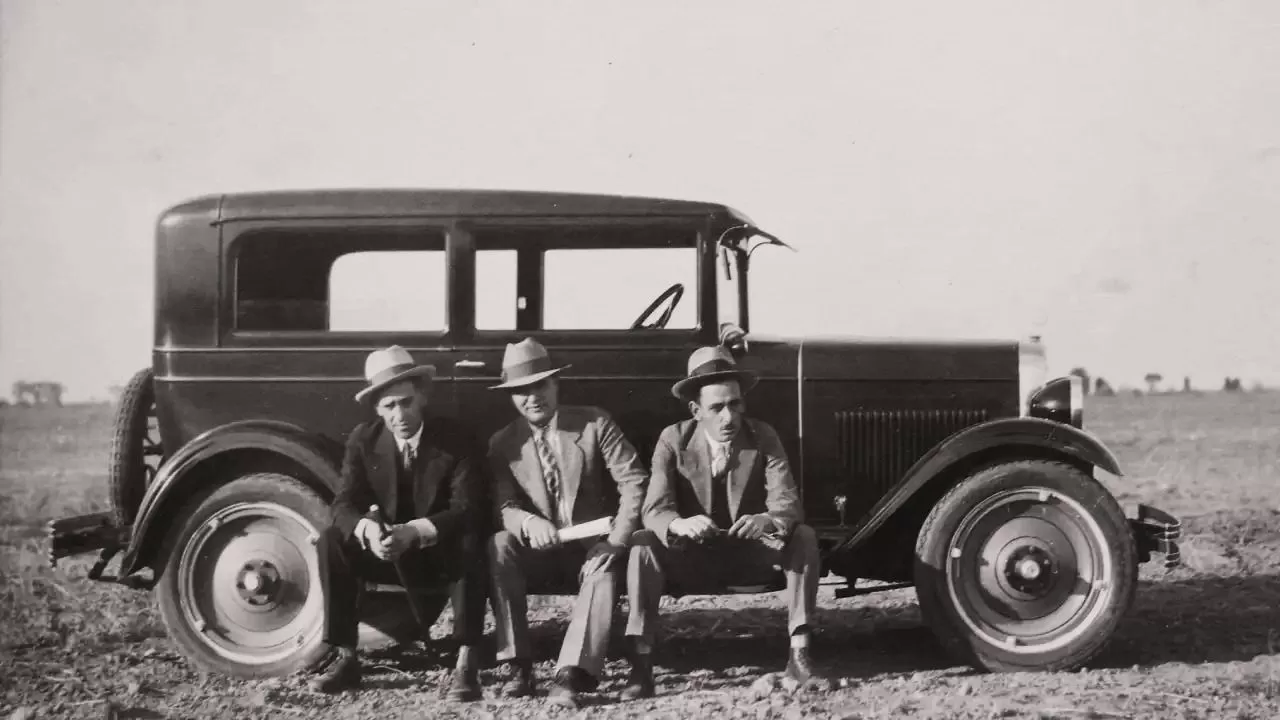
1930’s: Chevrolet National AB
Man, the Great Depression straight-up wrecked people’s wallets, so cars really had to justify their existence back then. The Chevrolet National AB, though—it found this sweet spot. It wasn’t just cheap, it actually looked good and felt kind of modern for its time. That’s how Chevy was able to surpass Ford in the competition for sales.
I mean, throw in improved suspension and brakes that didn’t make your heart stop every time you tried to use them, plus a style upgrade that didn’t scream “compromise,” and you had a car people actually wanted. Bottom line: even when money was tighter than a drum, folks still wanted a little comfort and class in their ride. The National AB pulled that off.
1940’s: Willy’s Jeep (Willy’s MB)
Honestly, it’s tough to top the Willys Jeep when you talk about legendary vehicles— everyone recognizes that little boxy beast. The Willys MB was more than just a regular military vehicle during World War II; it turned into an essential support for the Allies. It navigated through muddy battlefields, transported equipment, and handled a variety of unexpected tasks. I mean, the thing was dead simple: tough as nails, four-wheel drive, no frills—just get in and go. And after the war? All those leftover Jeeps spilled out onto regular roads and farms, and suddenly everybody wanted one. They pretty much kicked off the whole off-roading and utility vehicle thing before it was cool.
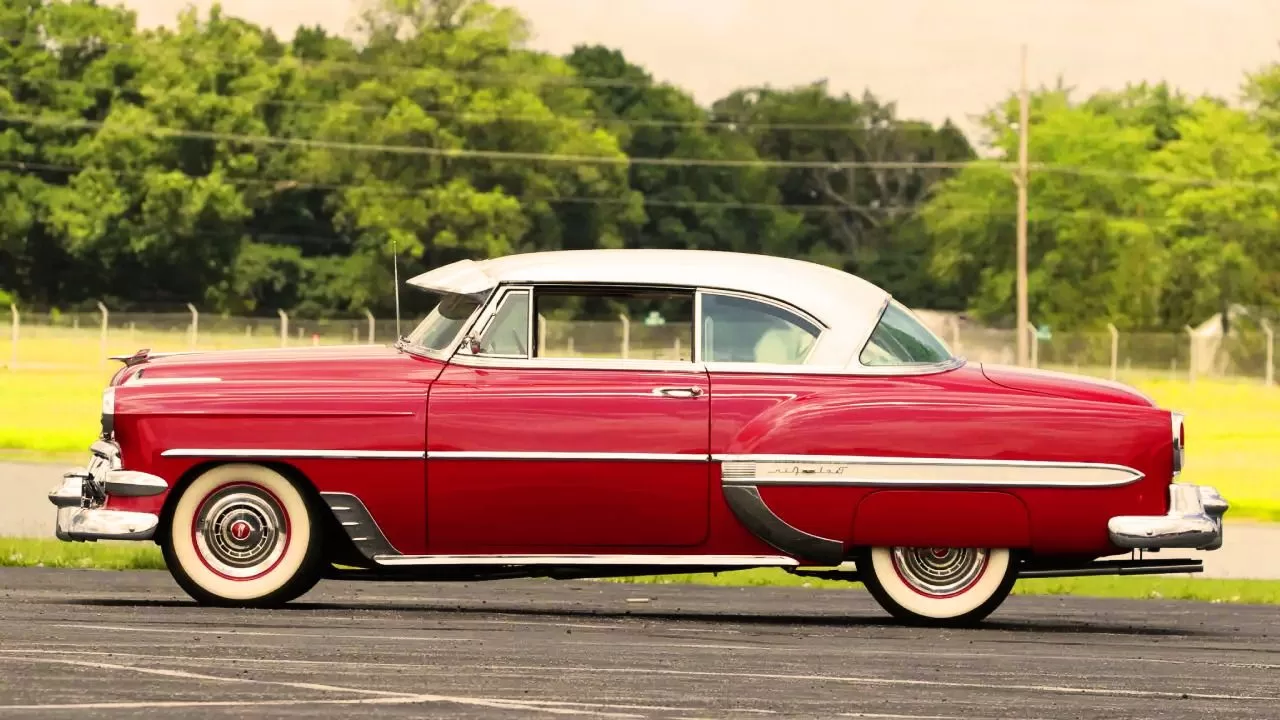
1950’s: Chevrolet Bel Air
The 1950’s were a vibrant decade, and the Chevrolet Bel Air emerged as the emblem of those lively times. With its eye-catching tailfins, striking two-tone paint, and gleaming chrome details, the car truly embodied a celebration on wheels—overflowing with optimism and flair. But its appeal went beyond aesthetics. The Bel Air boasted strong V8 engines and the features that families craved. Acknowledged as the perfect option for escapades in the suburbs, it stood out as a true representation of America’s love for the open road.
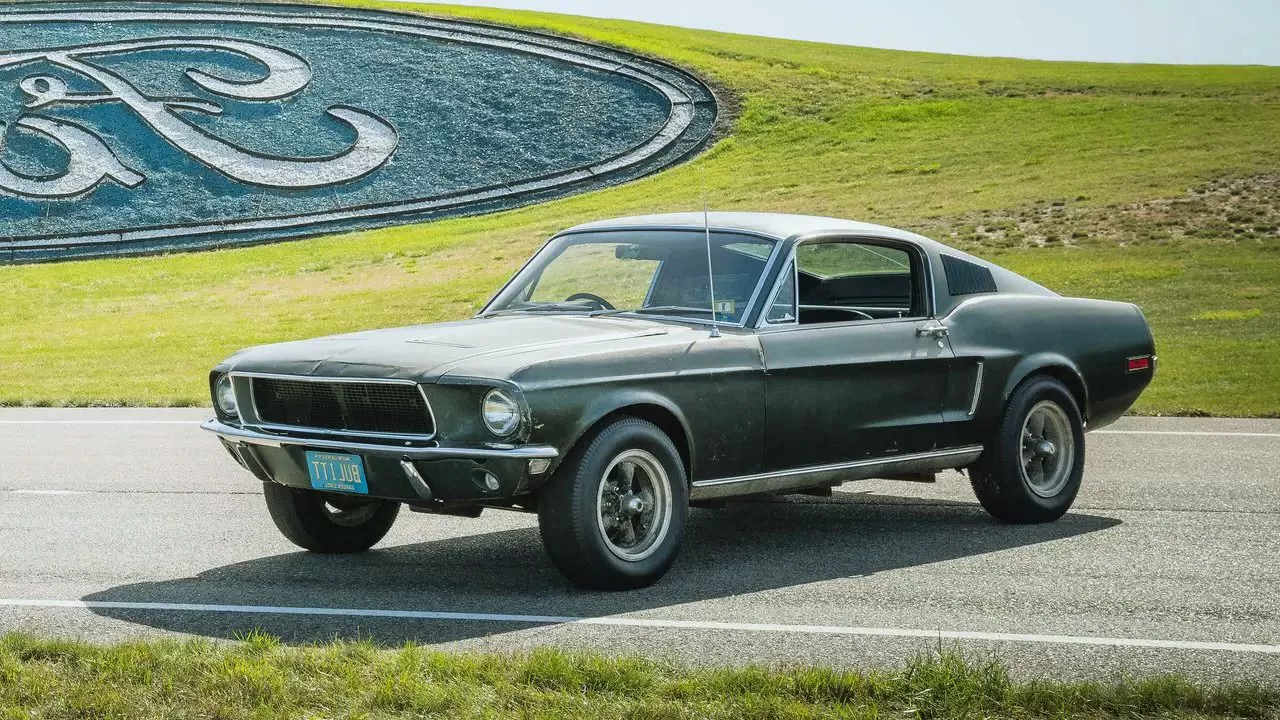
1960’s: Ford Mustang Cars
When the Ford Mustang rolled out in 1964, it didn’t just enter the market—it exploded. People went wild for it, and honestly, who can blame them? In just a few years, Ford moved over a million of these things. It basically invented the whole pony car scene. You saw that long hood, heard that growl under the hood, and you just knew—this car was made for people who wanted to bend the rules a little.
The Mustang was a revelation for young drivers. It looked bold, sounded tough, and you could trick it out exactly the way you wanted without blowing all your cash. Out of nowhere, everyday people could experience genuine speed and authentic style. The Mustang didn’t just do well—it changed the entire game, proving you could buy a car that was fast, fun, and still affordable. It made being yourself on the road cool.
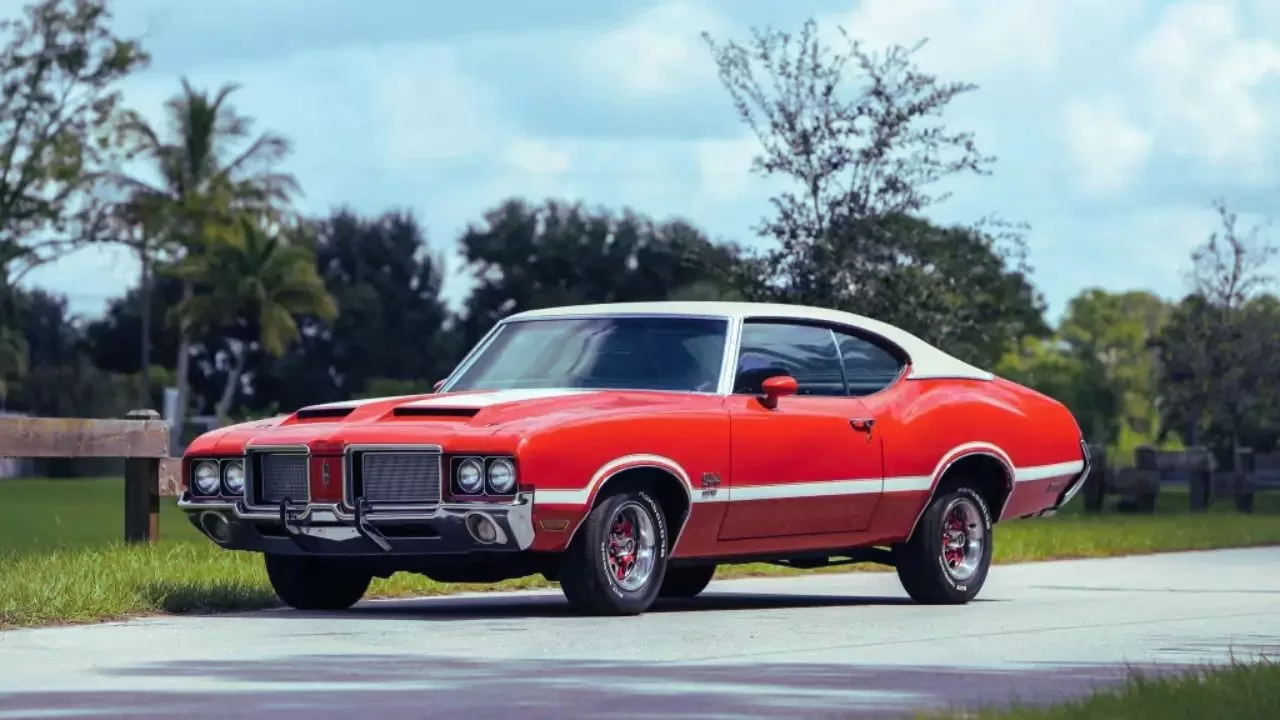
1970’s: Oldsmobile Cutlass Cars
The 1970’s were characterized by an oil crisis, stringent emissions regulations, and economic instability. In the face of these difficulties, the Oldsmobile Cutlass emerged as the top-selling car in the United States for a large part of the decade by providing a middle ground rather than going to extremes. This vehicle combined comfort, ample space, and a sense of familiarity while progressively meeting the evolving needs for fuel efficiency and safety. It attracted families seeking dependability without losing the appeal of classic design. The Cutlass became a symbol of stability and continuity during a time of considerable transformation in the automotive industry.
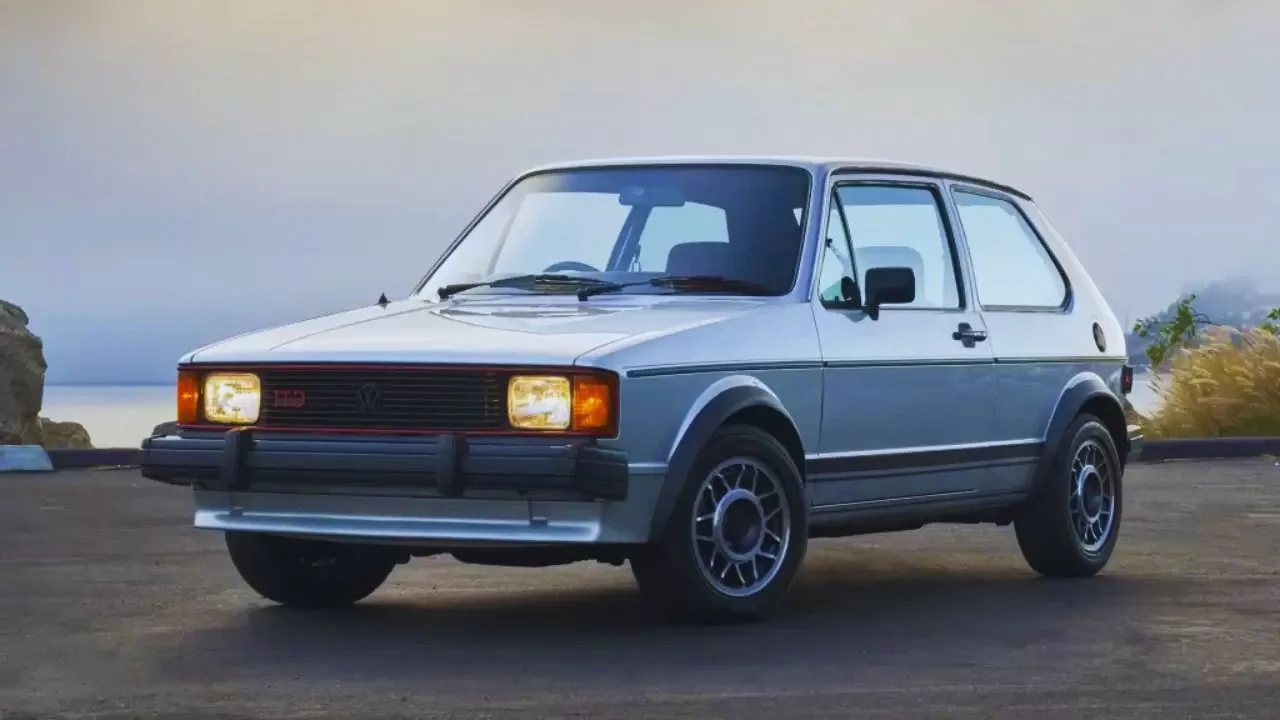
1980’s: Volkswagen Rabbit Cars
The Volkswagen Rabbit, referred to as Golf in regions outside the US, gained immense popularity in the 1980s by redefining what a compact car could be. Its hatchback structure provided generous interior room, coupled with fuel efficiency and ease of maneuverability. Renowned for its solid construction and precise handling, the Rabbit appealed to both everyday drivers and car aficionados. Models emphasizing performance, such as the GTI, offered excitement without compromising on practicality. The Rabbit reshaped perceptions of small cars, proving that they can be enjoyable to drive while remaining functional and reliable.
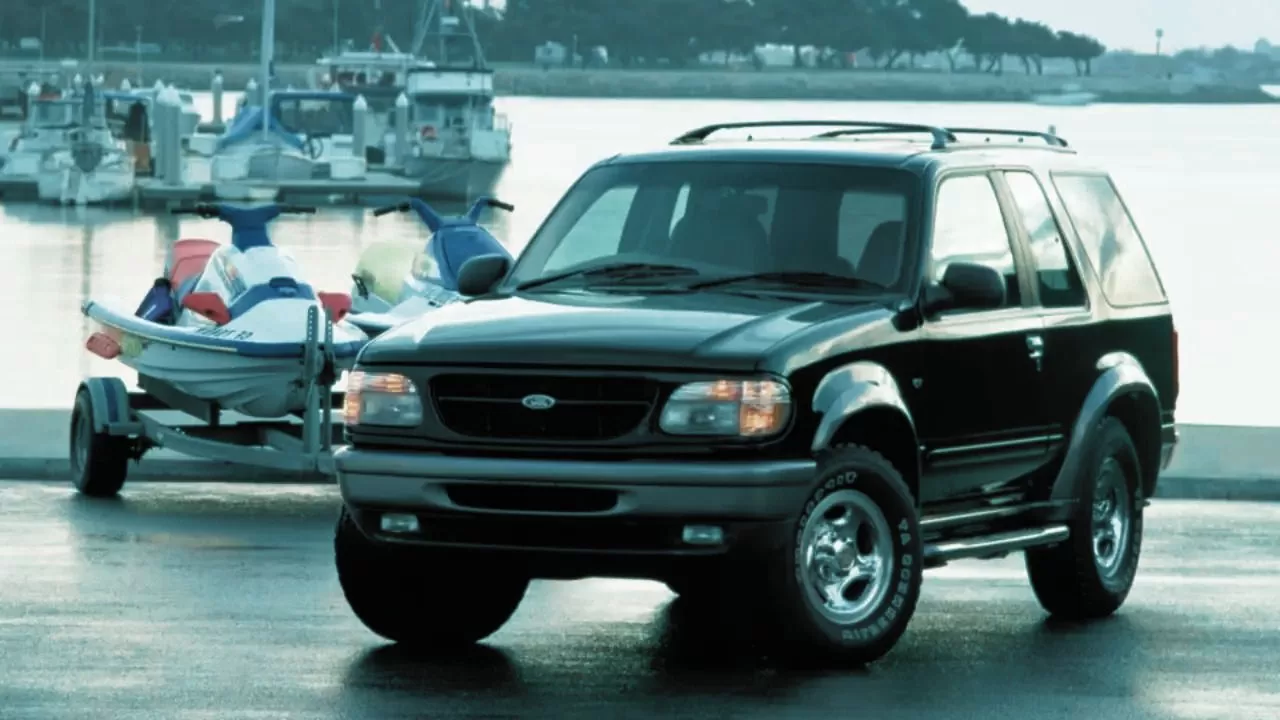
1990’s: Ford Explorer Cars
The Ford Explorer emerged as a key vehicle of the 1990s’, popularizing SUV’s for the general public. Constructed on a platform designed for trucks, it combined power and durability with comfort for passengers and contemporary features. Its higher driving position, roomy interior, and adaptability for everyday errands and outdoor adventures appealed to families. The popularity of the Explorer marked a significant change from sedans and station wagons, shaping car design and consumer choices for years.
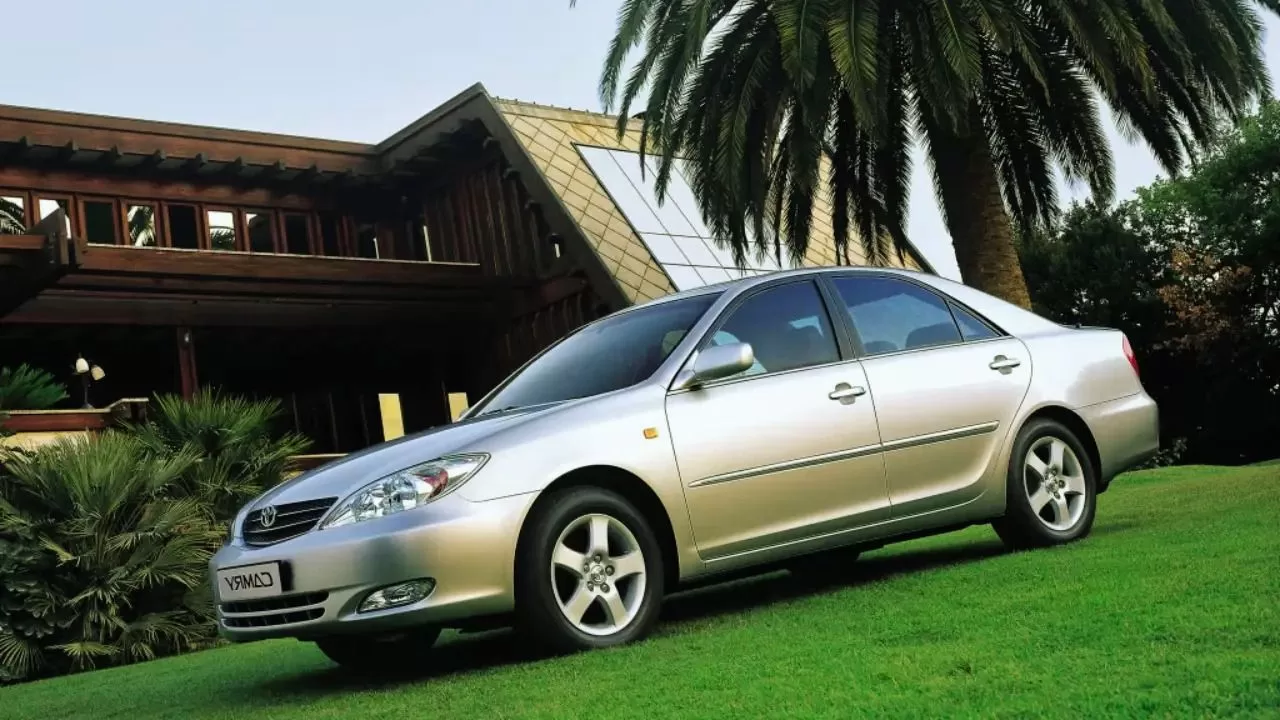
2000’s: Toyota Camry Cars
The Toyota Camry dominated the 2000’s by emphasizing what mattered most to buyers: reliability, comfort, and a sound long-term investment. With its smooth driving experience, excellent fuel economy, and low upkeep costs, it became a preferred choice among families and daily commuters. These qualities fostered strong brand loyalty and impressive resale values. The Camry’s popularity surged as people began prioritizing practicality, preferring dependability and reassurance over mere aesthetics or high performance.
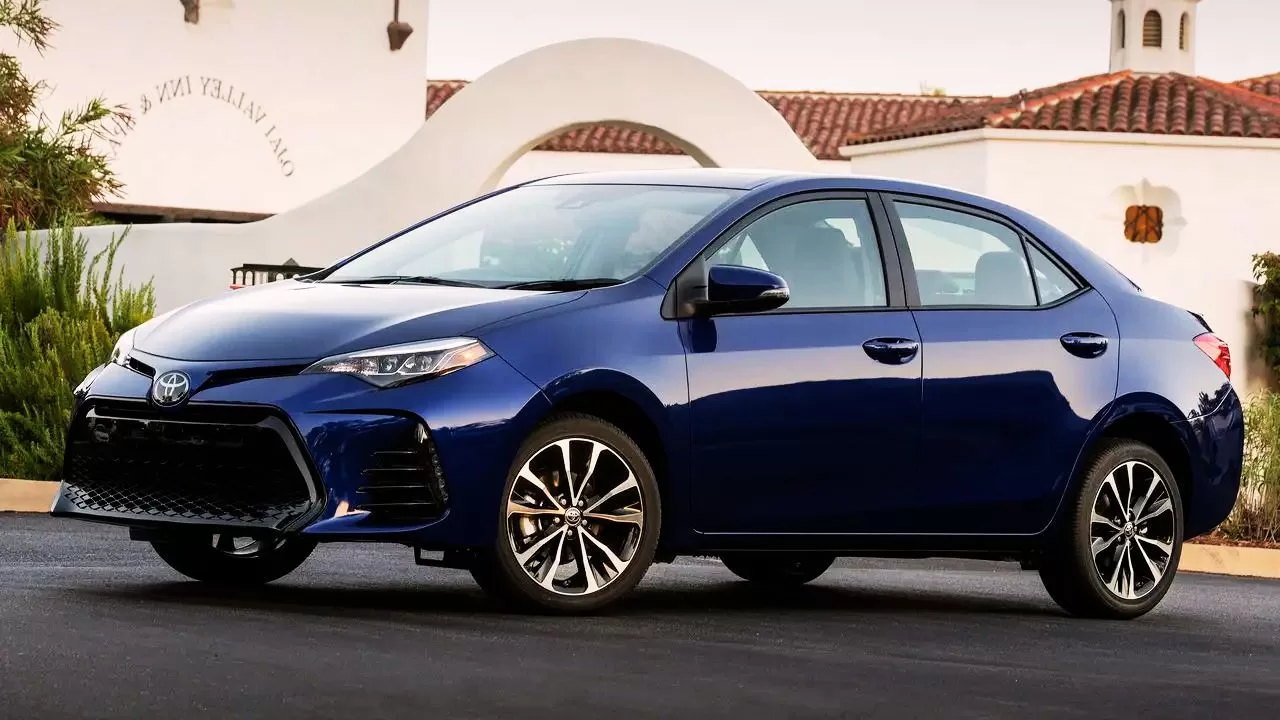
2010’s: Toyota Corolla Cars
The Toyota Corolla became a symbol of the 2010’s due to its worldwide availability and trustworthy performance. Its reasonable price, great fuel efficiency, and an increasing array of safety features drew interest from consumers around the globe. Over time, Toyota enhanced the Corolla by adding modern technology and refreshing its design, all while keeping it user-friendly. Because of its dependable reliability, the Corolla was favored by new drivers, city dwellers, and families.
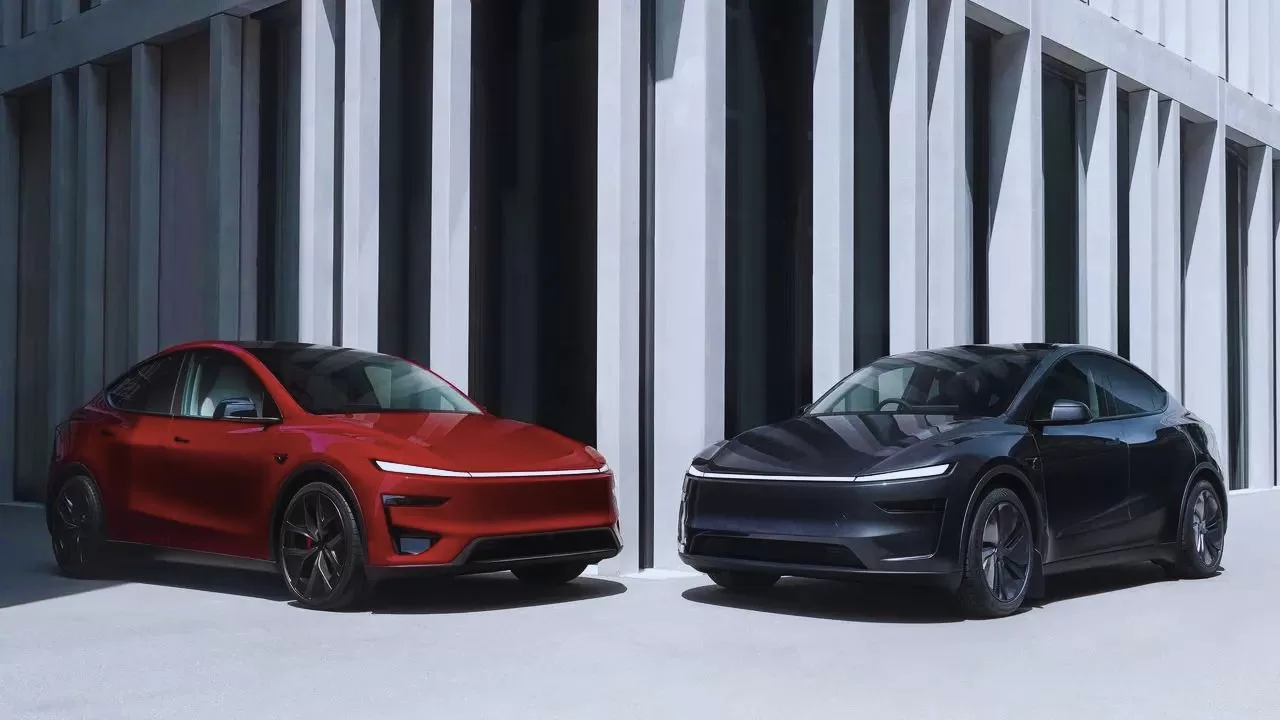
2020’s: Tesla Model Y
The Tesla Model Y is revolutionizing the automotive scene of the 2020’s, placing electric vehicles in the forefront. It operates entirely on electricity and emphasizes software integration, providing rapid acceleration, advanced driver-assistance technologies, and direct software updates for your vehicle. With its modern interior and remarkable driving range, the Model Y attracts individuals who appreciate efficiency while maintaining a sense of style. It exemplifies a future where vehicles function as technology centers, blending sustainability, high performance, and innovation into our everyday journeys.






0 Comments