
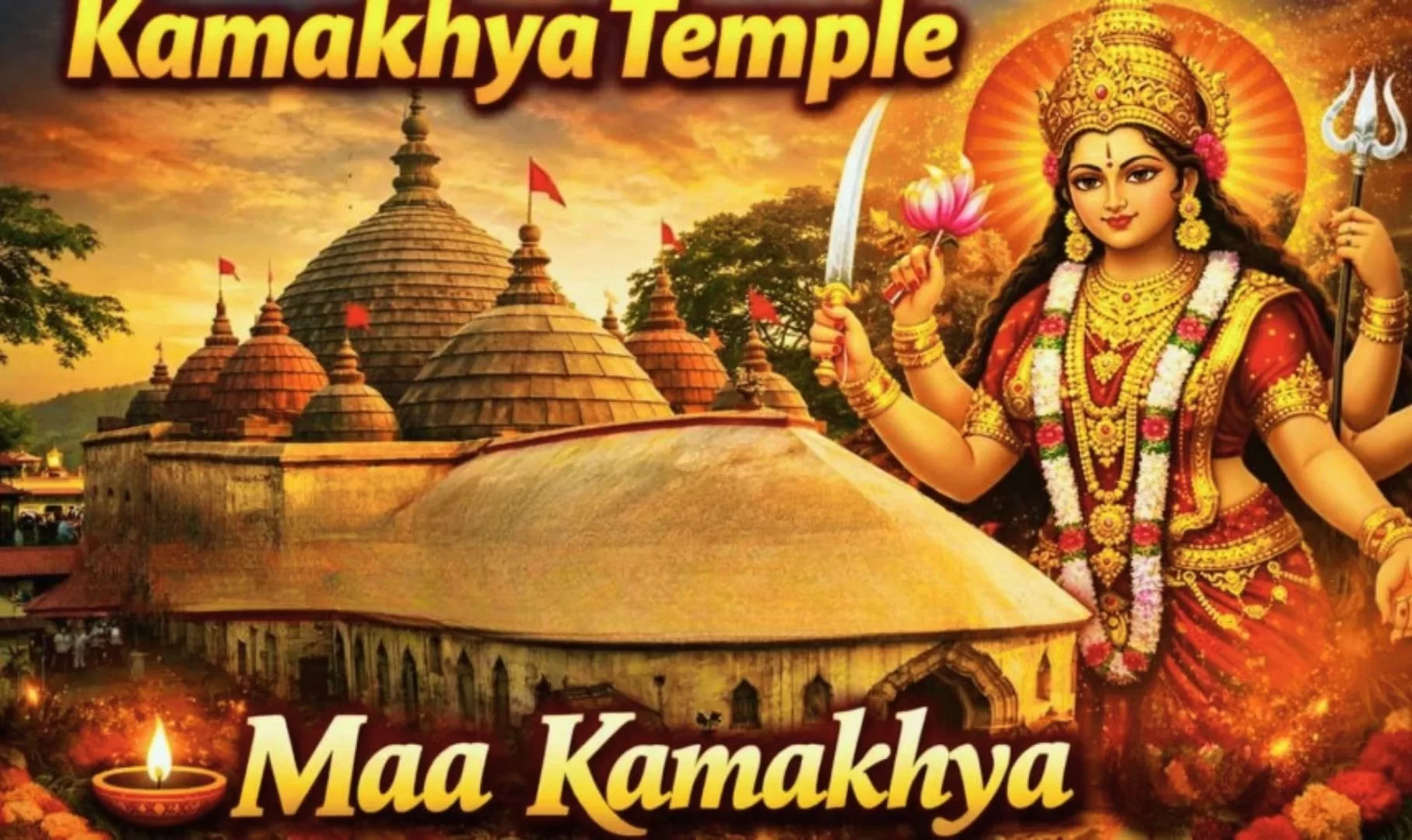
The Kamakhya Temple is an old and important place for Hindu people to worship in India. It is situated on the Nilachal Hill in the city of Guwahati. The Kamakhya Temple is considered the important place for the Shakti tradition, which is all about worshiping the Divine Mother in her many forms. The Kamakhya Temple is famous for a lot of things such as its importance, its unique history, its architecture and its influence on the culture. For a long time the Kamakhya Temple has been a place where people go on pilgrimage and it is also connected to tantra, mythology and political patronage.
Mythological Origins
The story of the Kamakhya Temple starts with Hindu mythology. The legend of Daksha Yajna says that the goddess Sati, who was the daughter of King Daksha and the wife of Lord Shiva gave up her life after her father insulted her. Lord Shiva was very sad. Carried her body with him walking all around the universe. To make things right in the universe again Lord Vishnu used his Sudarshana Chakra to cut Satis body into pieces. These pieces fell in places all over India and they became the sacred Shakti Peethas.
The Kamakhya Temple is believed to be the place where Satis yoni, which is her womb and genital organ fell. This is why the Kamakhya Temple represents the power of women to create life, fertility and motherhood. The Kamakhya Temple is different, from other Hindu temples because it does not have a traditional idol of the goddess. Instead people worship a rock fissure that has water coming out of it from an underground spring and this represents the divine feminine principle of the Kamakhya Temple.
Early Historical Background
- The temples founding date is not known for sure.
- The site was likely a place of worship long before Hindu kingdoms rose in the area.
- Local tribes in Assam probably worshipped a mother goddess tied to fertility and nature.
- Over time these local traditions blended with Hindu beliefs, which led to the Kamakhya cult.
- Kamakhya is mentioned in old texts, like the Kalika Purana, written around the 10th or 11th centuries.
- This text describes the temple as a place for goddess worship and tantra.
- The Kalika Purana helped make Kamakhya a major religious site and connected it to Hindu traditions.
Kamakhya and Tantric Traditions
- The Kamakhya temple holds a place in Tantras history.
- From the medieval period on it became a top center for Tantric practices in South Asia.
- Tantra focuses on worshipping Shakti or divine energy. Often uses symbolic rituals for spiritual change.
- The temple drew yogis, scholars and Tantric practitioners from across India.
- Kamakhya was seen as a place where seekers looked for knowledge and mystical experiences.
- Many Tantric texts called the temple a center of power which boosted its reputation across the subcontinent.
- Because of this link Kamakhya stays a pilgrimage site, for followers of Shakta and Tantric traditions.
The Kamarupa Kingdom
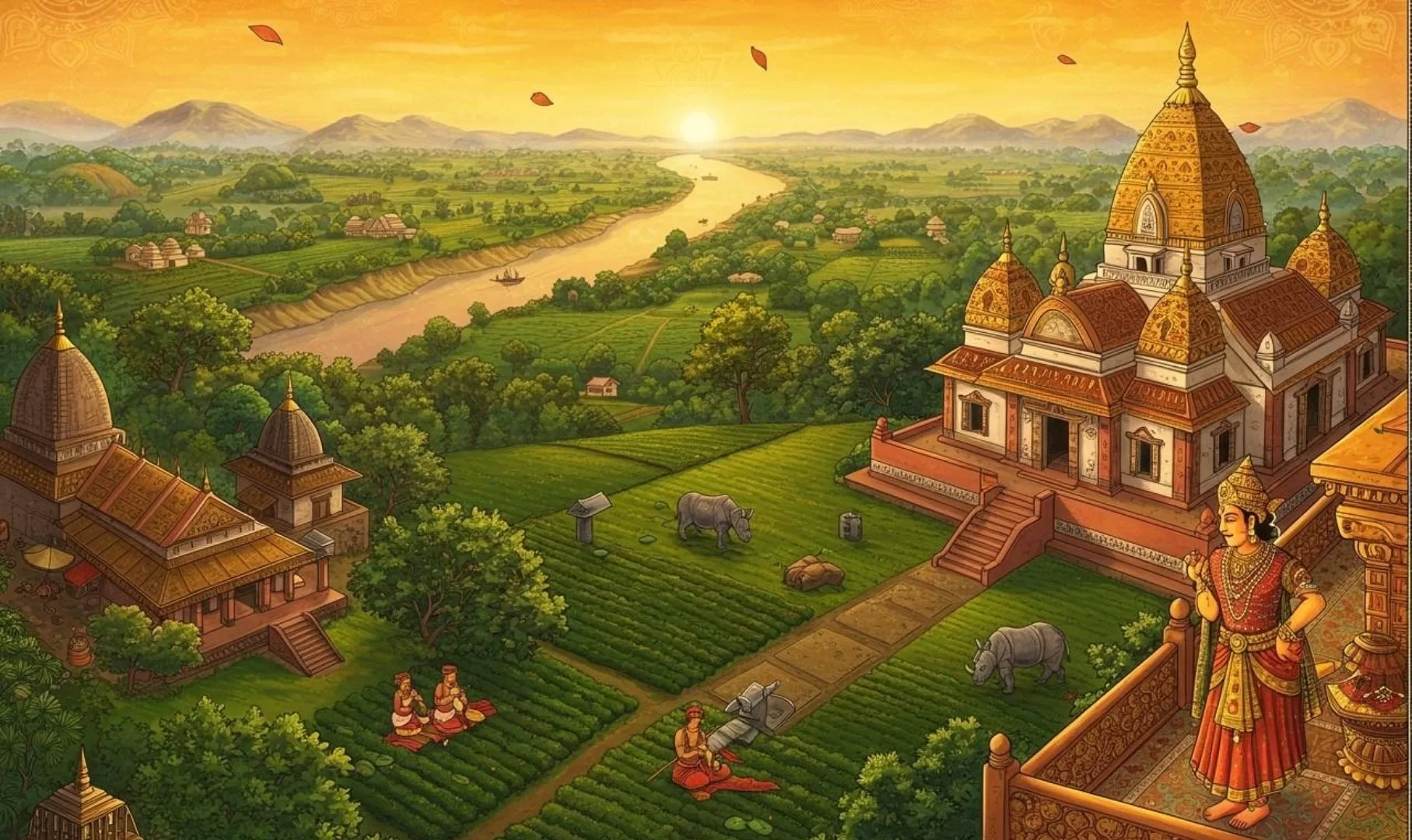
The history of Kamakhya is really connected to the Kamarupa Kingdom, which controlled a lot of the area that is now Assam and the places around it. From the 4th to the centuries the people in charge of Kamarupa Kingdom supported Hindu religious institutions and helped people worship the goddess.
There were groups in charge like the Varmans and the Mlechchhas and the Palas of Kamarupa Kingdom and they all helped the temple and made it grow. During this time Kamakhya became an important place for religion and culture. People traveled from far away to get blessings and smart people wrote texts that praised the goddess and the special place of Nilachal Hill.
The temple became famous over eastern India and people came from places like Bengal and Odisha and Nepal to visit.
Destruction and Reconstruction
Something important happened to Kamakhya in the 16th century. What historians say is that the original temple was destroyed during fights in the area. A general named Kalapahar is often blamed for destroying Hindu temples in eastern India including Kamakhya.
The temple was not closed for long. The people in charge of the Koch Kingdom soon started working to rebuild the temple. King Nara Narayan and his brother Chilarai did a lot to rebuild Kamakhya in the middle of the century.
The new temple was built using styles from the area of Assam and also styles, from North Indian temples. Most of the temple that we see today was built during this time although later rulers made some changes and fixed some things.
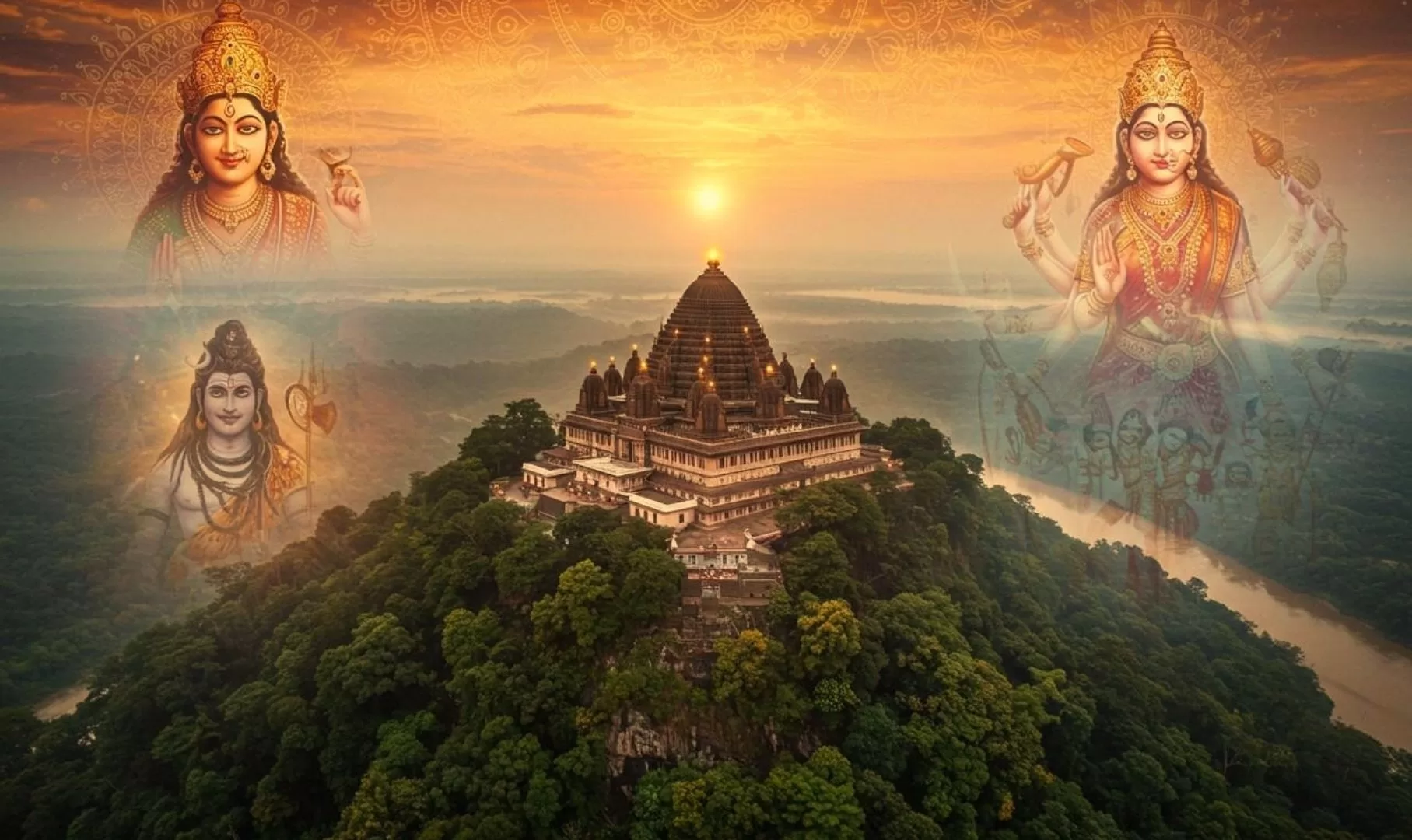
Architectural Features
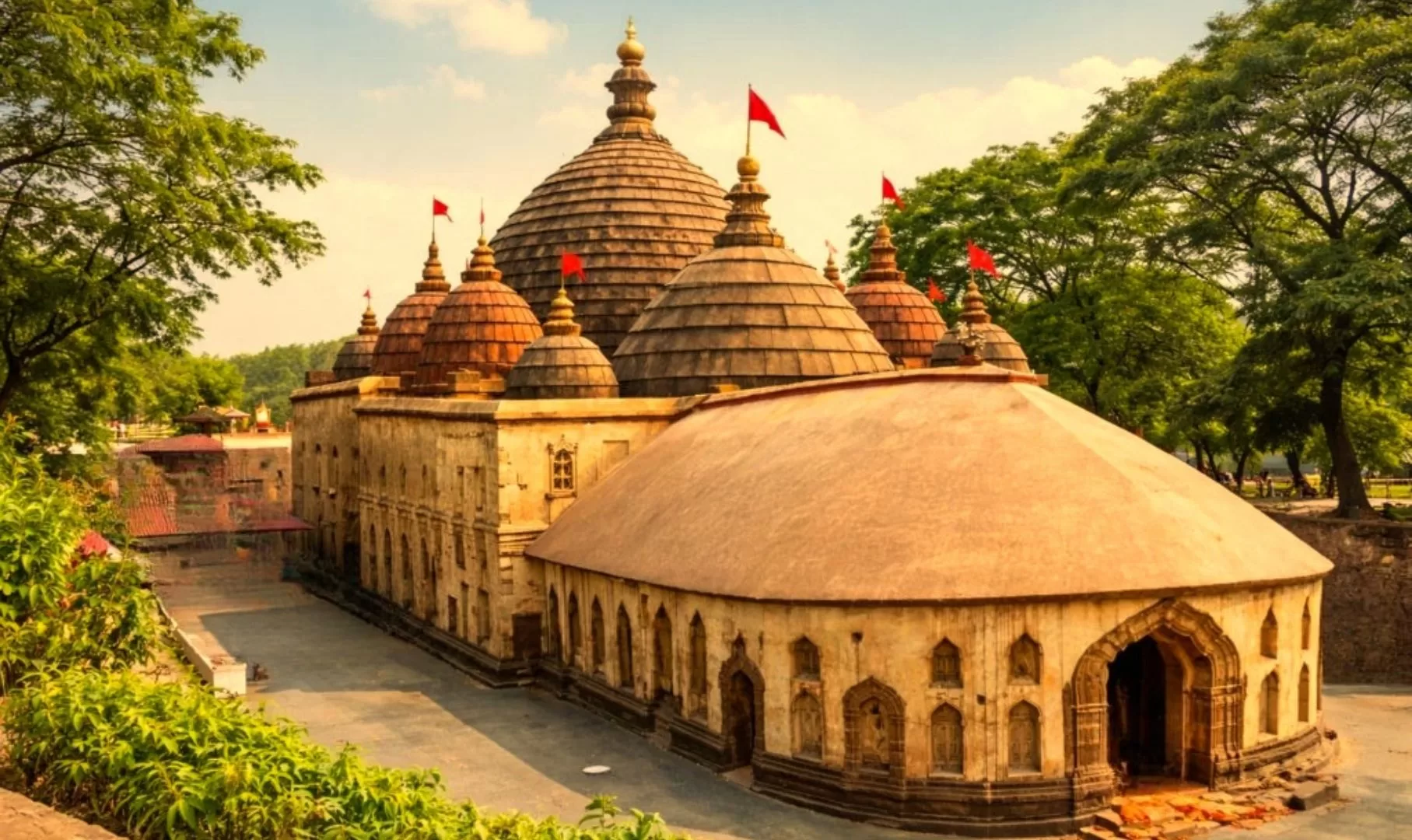
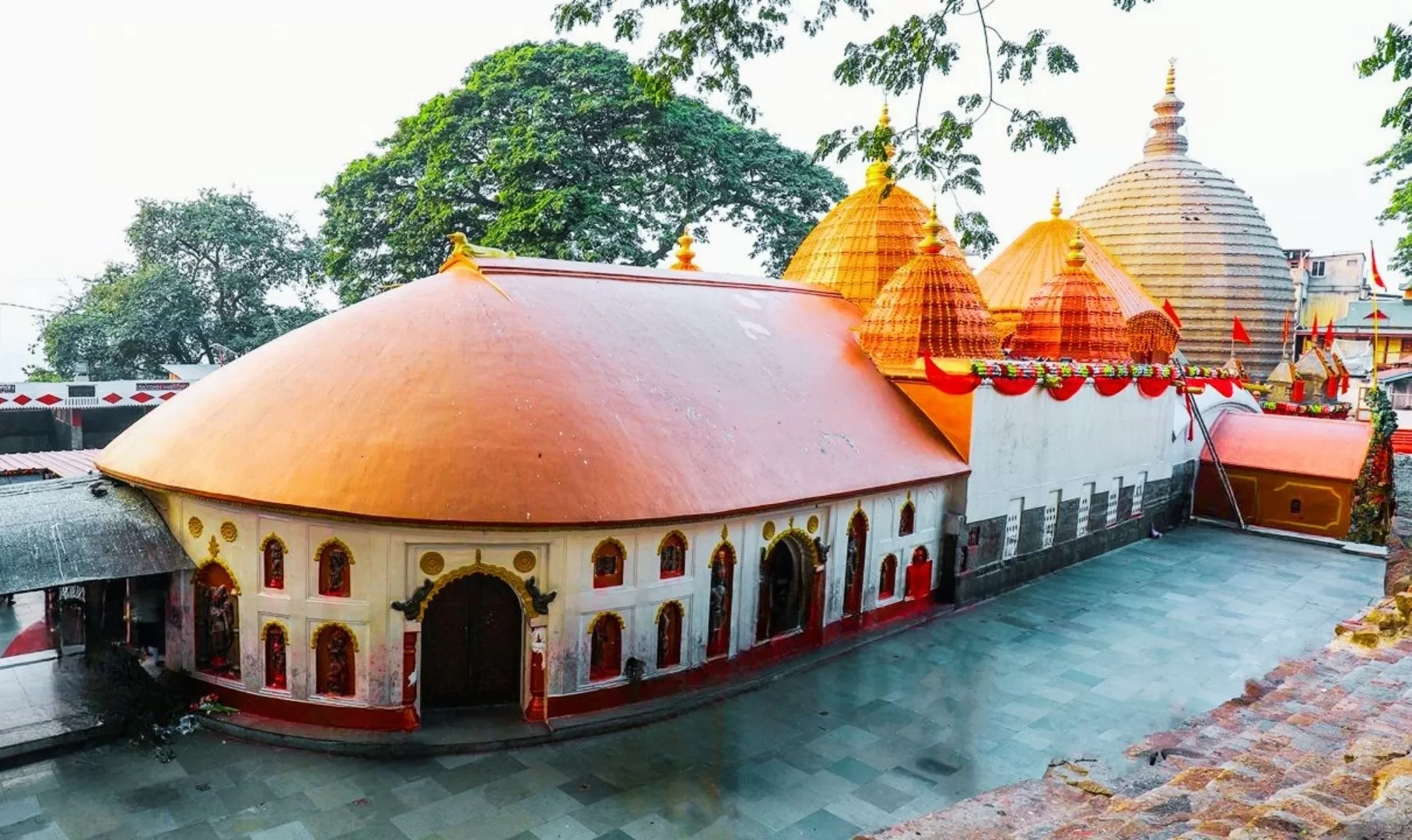
- The Kamakhya temple architecture is quite unique and not like other Indian temples.
- The main part of the temple has a dome that looks like a beehive.
- This is typical of the style of building.
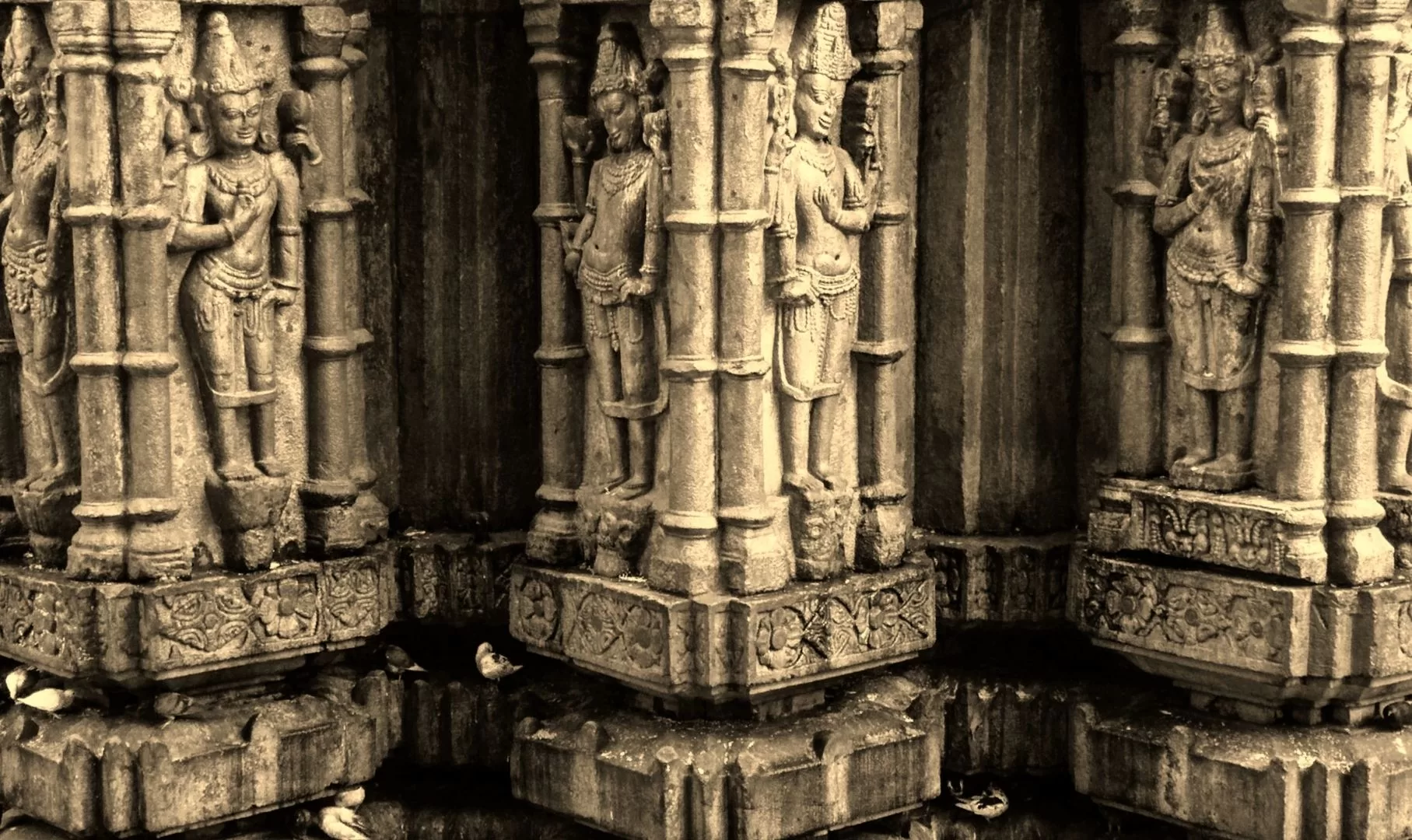
- The temple has stone carvings, sculptures and decorations of gods, goddesses, animals and flowers.
- The temple complex has smaller shrines for different forms of the goddess and other deities.
- These smaller temples add to the feel of the place and show the variety of Hindu worship.
- The main temple is actually below the ground.
- People have to go down some steps to reach the rock.
- Water keeps flowing from a spring.
- This water is seen as a symbol of the goddess power to give life.
The Ahom Period
- After the Koch rulers the Ahom Kingdom helped the temple.
- They ruled Assam for six hundred years.
- The Ahom kings knew how important Kamakhya temple was for religion.
- So they gave money to maintain and expand the temple.
- During the Ahom period the temple became very important in Assam’s politics and culture.
- The kings ceremonies, festivals and public rituals often took place at the temple.
- The support, from the kings helped the temple to keep growing. Its traditions were preserved.
Religious and Cultural Importance
Kamakhya is a special place. It is not a temple it is a big part of what makes Assam special. The temple has had an impact on the music, dance and stories of the area. It is a place where people from backgrounds come together.
One of the events at the temple is the Ambubachi Mela. This festival happens every year when it is raining. It is a time when the goddess is thought to be menstruating. The temple is closed for three days. Then it is opened again after some special rituals. A lot of people come to the festival, including pilgrims, sadhus and tourists. It is one of the gatherings of people in northeastern India.
The festival is special because it is about the importance of having children being a woman and the power of nature.
Kamakhya in Modern Times
Kamakhya is still really important today. People come from over to visit the temple and ask for good things to happen to them. They want to have luck have children be healthy and be happy. The temple is a deal, for the economy of Assam because it brings in a lot of tourists.
Nowadays people are working to keep the parts of the temple from getting damaged. They are also making it easier for people to get to the temple. The government is helping out. The roads are getting better.
The temple is still a place where people go to pray. It is a big part of the culture. It is a mix of stories, history and spiritual things that makes it so special. Kamakhya is a special place because it has a little bit of everything.
Conclusion
The Kamakhya Temple has a long history. It started from stories then there were old tribes and then kingdoms and modern India. The temple is connected to the story of Sati. It is an important place for Shakti and Tantric worship.
The temple has been through times. It was. There were changes in rulers. It still exists because many people have prayed there for a long time. The local rulers also helped to keep it safe.
Now the Kamakhya Temple is a symbol of a woman. It shows that our culture is still strong. Many people visit the temple because of its traditions, beautiful building and history. The Kamakhya Temple is one of the religious places, in India. The temples history and the story of Sati are still important today. People still go to the Kamakhya Temple to pray.
0 Comments