
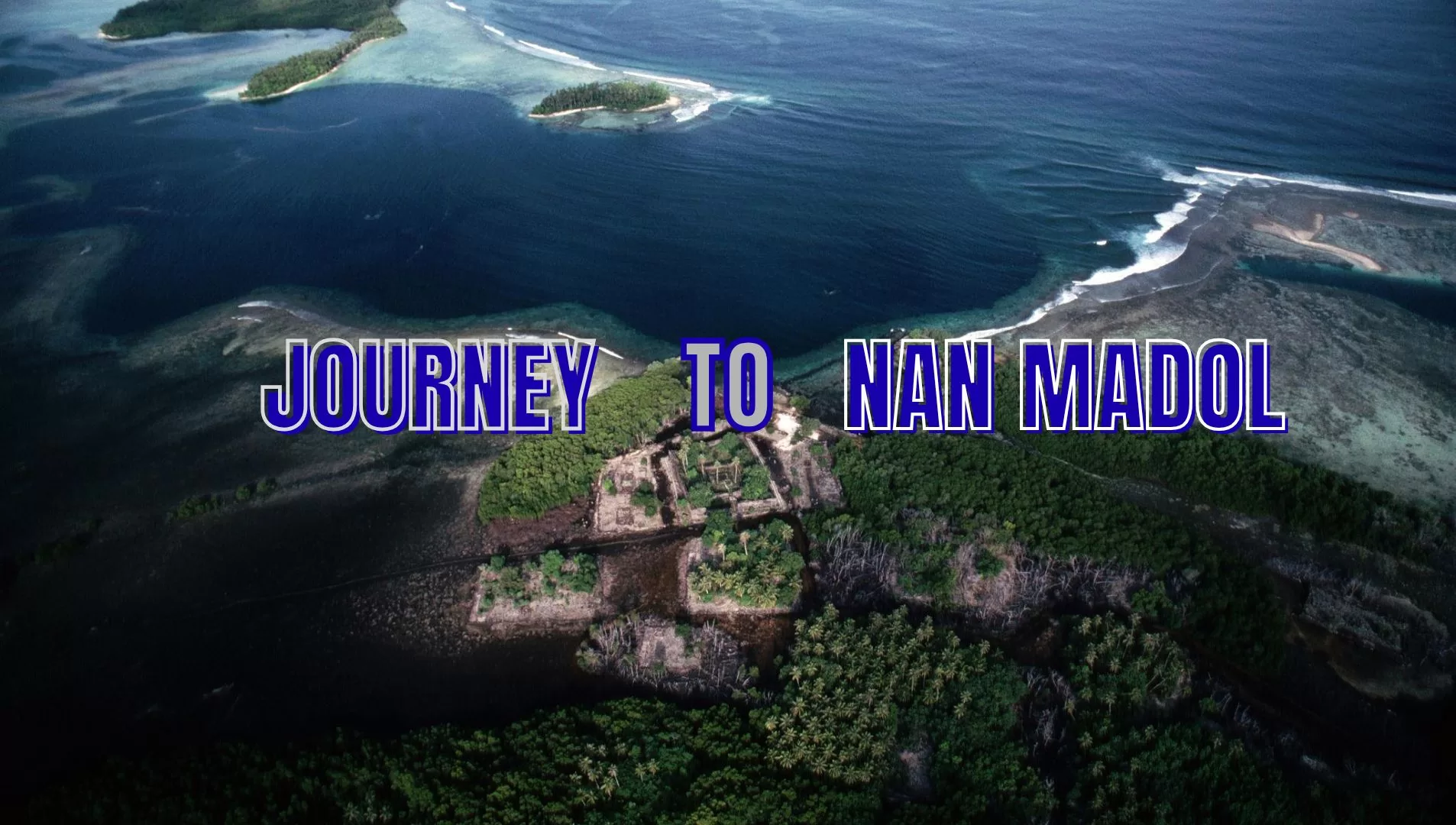
One of the world’s most mysterious archaeological sites lies in the depths of the western Pacific Ocean among the beautiful islands of the Micronesia group. It is also known as Nan Madol, the old city, which looks like an unreal place consisting of gigantic stone structures, canals and artificial islands floating in the sea. Nan Madol is known as the “Venice of the Pacific”, and is a unique ancient settlement.
This enigmatic city has captivated travelers, historians, and archaeologists for centuries. How was it built? Why was it built in such an odd place? So what led to its eventual disuse? Yet, despite decades of research, many questions remain unanswered and Nan Madol remains one of the most intriguing lost cities on Earth.
A City Built on Water
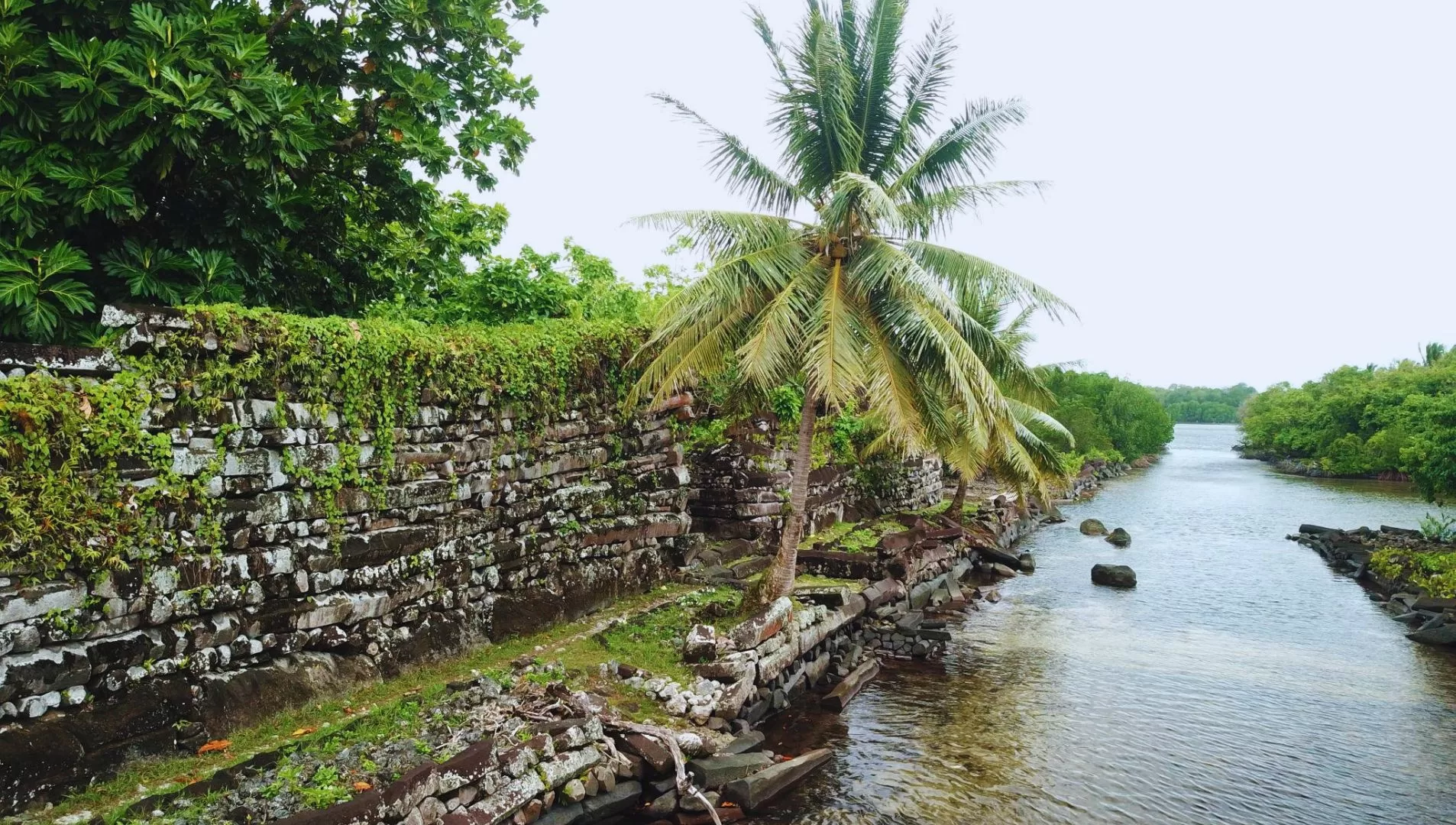
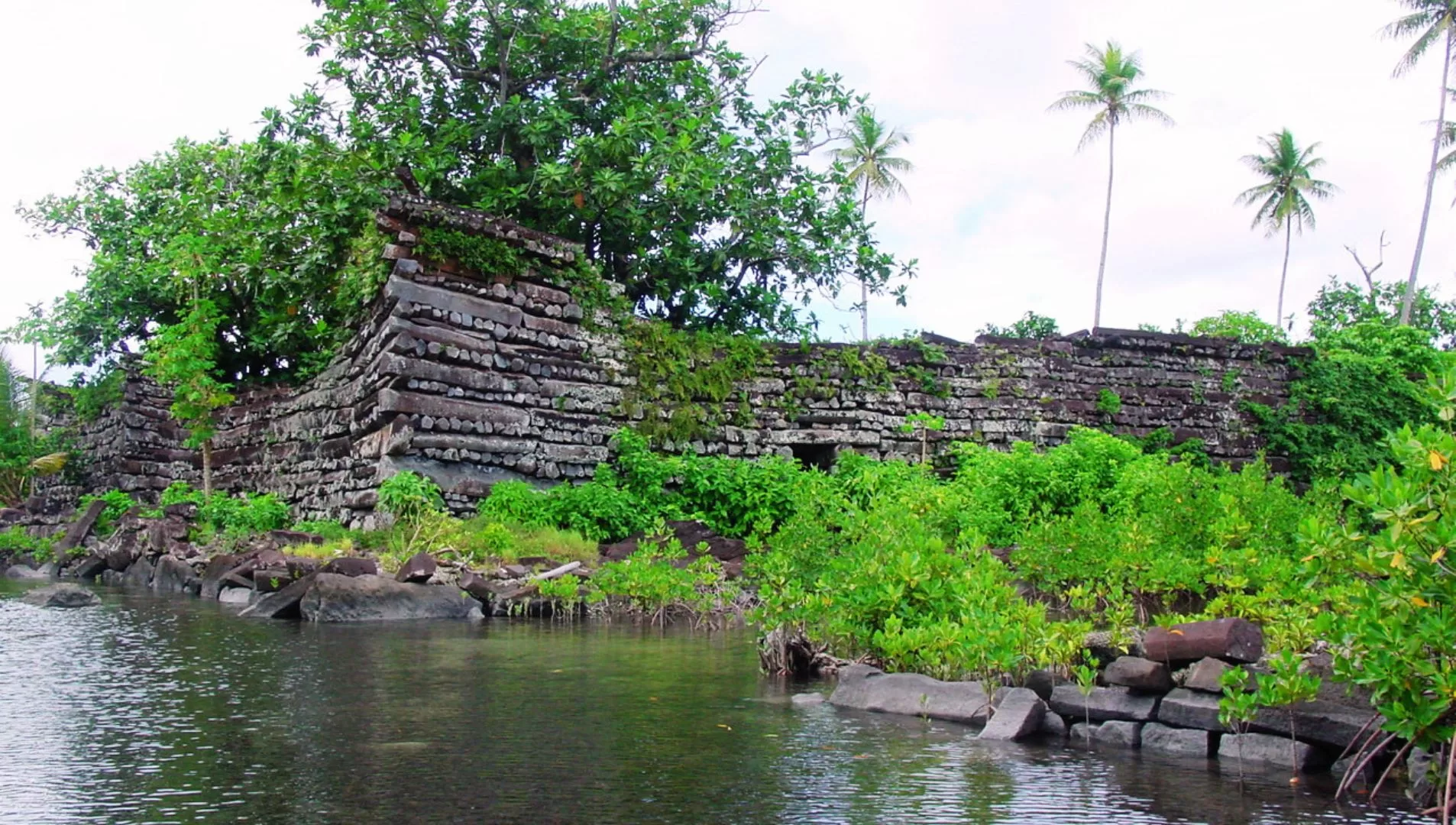
Nan Madol is located off the southeastern coast of Pohnpei, one of the islands that make up the Federated States of Micronesia. The site is extraordinary in terms of its construction. Nan Madol, on the contrary, is not constructed on solid land but instead is composed of almost a hundred man-made islets that are built atop a coral reef. The city looks like floating on the sea, as these little islands are linked together by a network of canals.
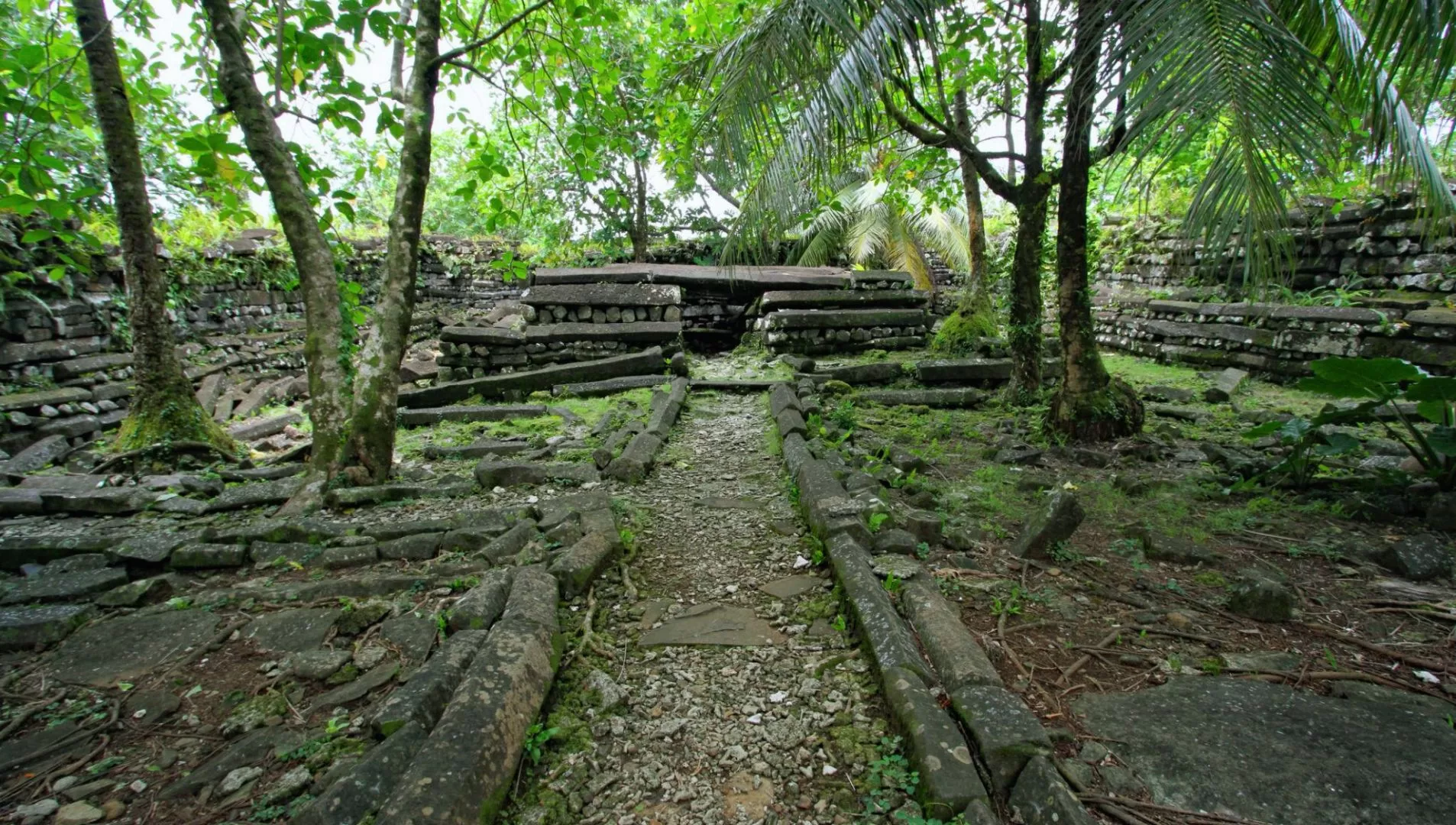
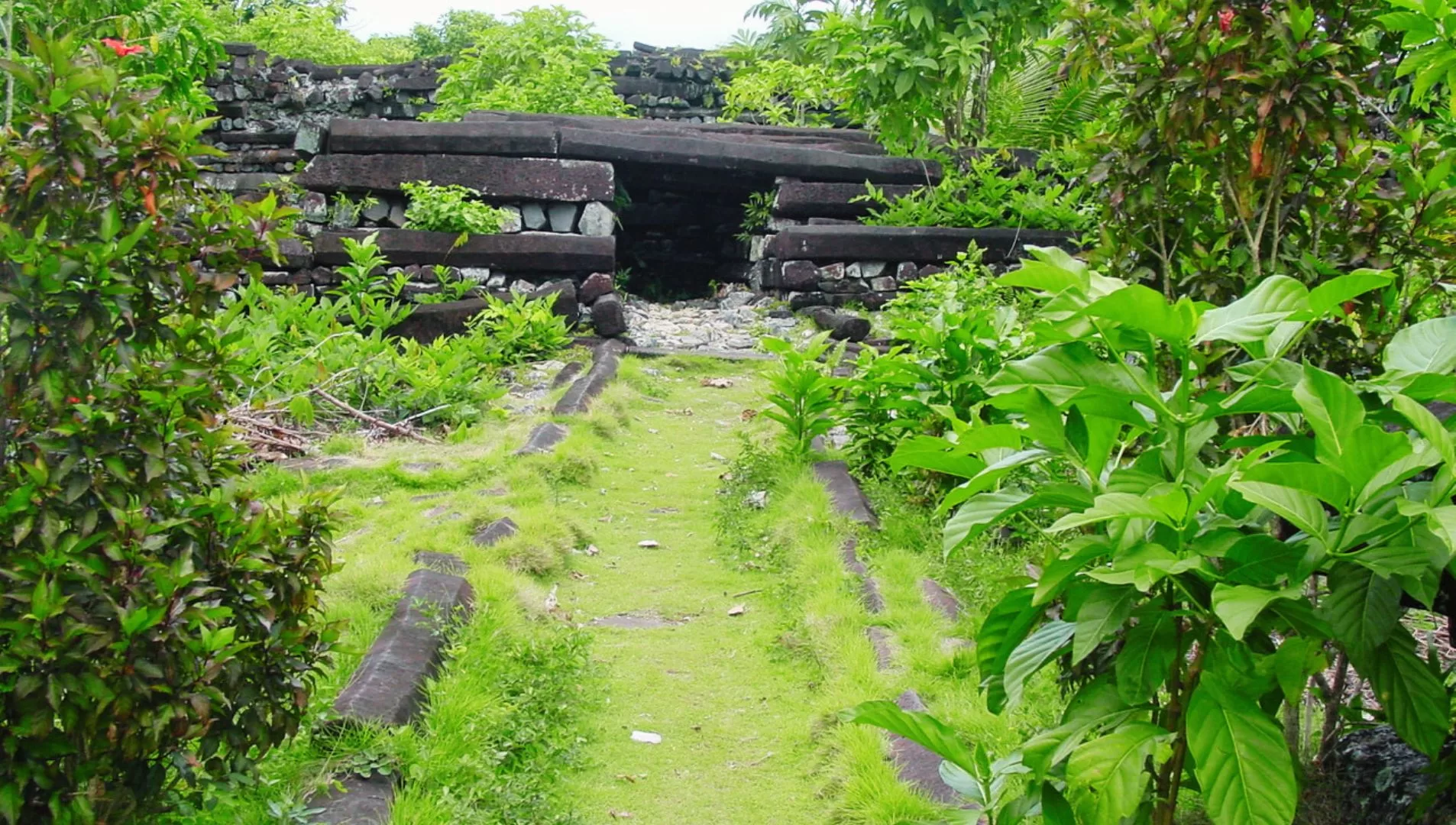
The builders were able to shape huge columns of basalt, some weighing several tons, which they used to build walls, temples, tombs and ceremonial buildings. The stones were stacked in a criss cross fashion forming magnificent walls, which have endured the tropical climate and rising tides over the years.
It still leaves visitors in awe of the magnitude of the building work. Set in the formidable basalt walls, it may be hard to believe that this was done by an ancient people without the aid of modern technology.
The Mystery of the Massive Stones
The problem of how the stones of the basalt walls were carried is one of the most baffling of Nan Madol. The rock for all construction work used was volcanic and came from a quarry that was several miles from the site. Single stones are as heavy as 50 tons.
The stones were thought to have been transported by canoe and raft and man power. But how they are going to do it is not clear. The transportation of such huge blocks of stone over water would have been an incredible feat of planning and engineering.
The local legends provide a more magical explanation. Traditional stories say that two brothers, who also had supernatural powers, flew the stones in the air and set them down where they are found today. Though there is no scientific evidence to back up these claims, the stories tell of the fear and reverence that Nan Madol has brought to people’s minds for centuries.
The city’s construction remains a puzzle, and is the subject of ongoing speculation and debate among both researchers and visitors.
The Seat of a Powerful Dynasty
Nan Madol appears to have been the ceremonial and political hub of the Saudeleur Dynasty that controlled Pohnpei for centuries. The city was the epicenter of the island’s government, religion and social structure.
Nan Madol was not a typical settlement, but was inhabited mainly by nobles, priests, and ruling elites. The rest of the population was engaged in other parts of the island, and they had to deliver resources and manpower for the city-dwellers.
The setup enabled the Saudeleur rulers to keep control of the populace. With a centralized political and religious structure, they created one of the most organized societies in the pacific.
The buildings of Nan Madol were planned for particular uses, such as religious festivals, cooking, government and burial. The complex urban organization represents a sophisticated and advanced social organization that is not common among the isolated island societies.
Nandauwas: The Royal Tomb Complex
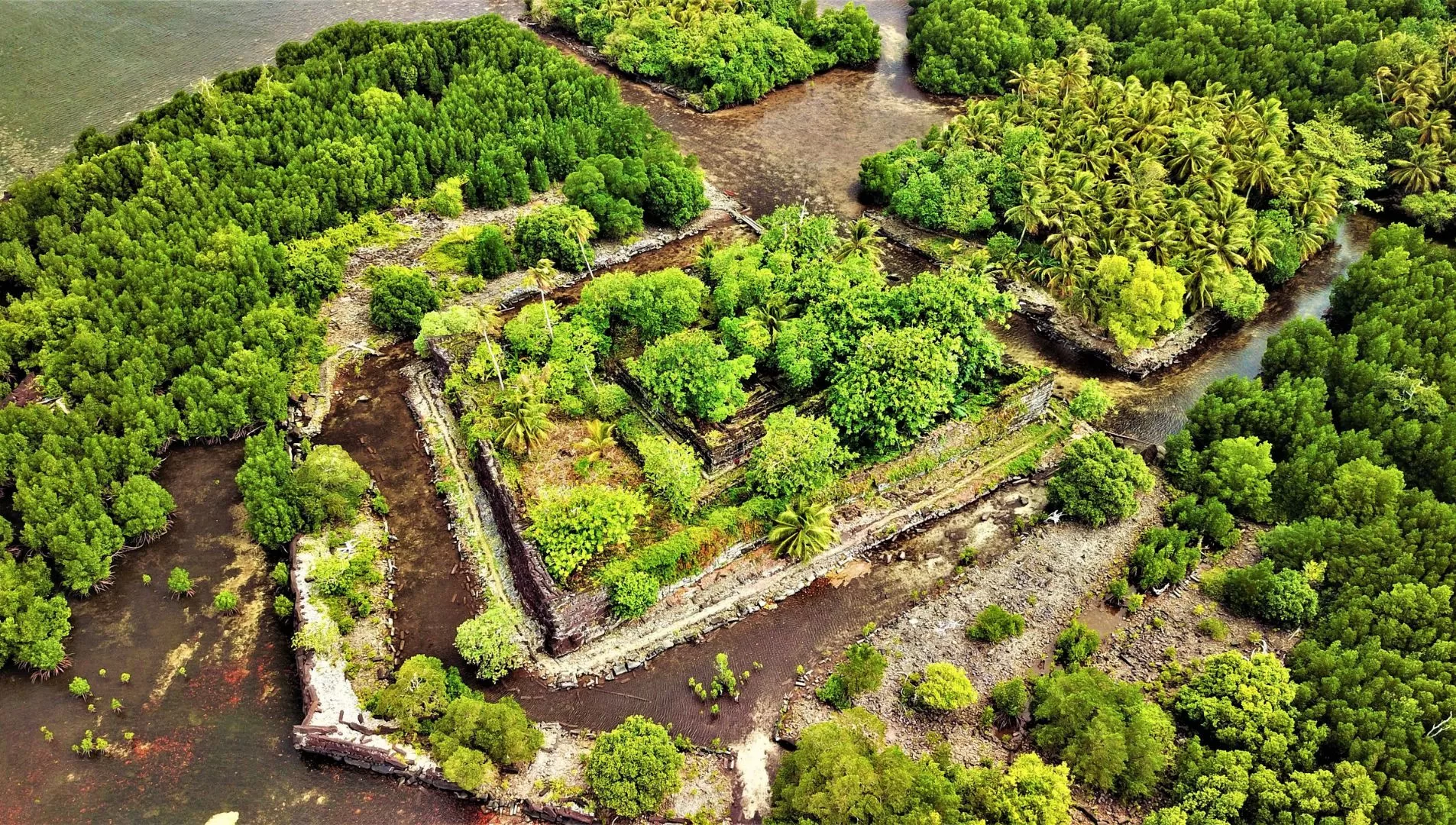
Nandauwas is one of Nan Madol’s many impressive structures. It was a huge burial ground for rulers and the nobles of society. Nandauwas is like a fortress sitting out of the water, with the walls of basalt rising over 20 feet tall. The walls are made up of massive stone columns which are laid in an impressive manner.
Within the complex, evidence of tombs and ceremonial activities has been found. The site is one of the most significant archaeological sites in Micronesia, and it continues to be a source of information about the beliefs and practices of the ancient people.
Nandauwas continues to baffle experts, and is regarded as one of the biggest engineering feats in Oceania.
Legends, Spirits and Ancient Mysteries
Nan Madol is bound up in local mythology. Rather than just historical sites, for many of the islanders, the ruins are also sacred sites linked to their ancestors’ spirits.
There are many tales of the supernatural events that have happened in the city. There are stories about the ruins that powerful spirits protect them and punish anyone who treats them improperly. Others speak of treasures that can be found beneath the stone structures.
Those who explored the site early often reported strange things that happened to them. Nan Madol’s reputation as a haunted city was enhanced by the isolated atmosphere of the island and the lack of any sound in the canals, which rise to a high level, and the towering walls.
While it is impossible to confirm the validity of these tales, they make for an extra level of wonderment about the already enigmatic destination.
Why Was Nan Madol Abandoned
In spite of its past significance, Nan Madol was abandoned. The reasons for the fall are uncertain, but it is thought that it started sometime during the 17th century.
There are a variety of reasons that could have led to the city’s fall. The passing of the Saudeleur Dynasty by politics and the need to sustain a big population on the man-made islands all required resources and manpower. The decline could have been further exacerbated by food shortages, social unrests and environmental issues.
As residents started to move out of town, the city’s bustling center of power was taken over by nature. Overgrowth of vegetation, overgrown canals, and decay of many structures were observed in the ruins.
When European explorers arrived in the area, Nan Madol was a lost relic of a once great civilization.
Rediscovery and Archaeological Interest
The international attention had been paid to Nan Madol during the nineteenth and twentieth centuries, while the local communities did not forget the place. Its distinctive architecture and enigmatic past captivated the attention of archaeologists.
The excavations uncovered meaningful information about the culture that created the city. They found artifacts and burial sites, as well as evidence of advanced social structure. However, numerous mysteries of Nan Madol remain unanswered, leaving scholars fascinated with the site.
There are some speculations that the city is related to mythical lost civilizations like Atlantis or Mu. There is nothing in terms of scientific evidence that would suggest that these claims are accurate, but they have helped to bring the site into the public eye.
Nan Madol is today considered one of the most important archaeological sites in the Pacific.
A World Heritage Treasure
In 2016, Nan Madol was inscribed on the World Heritage list due to its outstanding cultural and historical values. The recognition gave the matter an international spotlight and visibility, drawing attention to the problems of preserving the precariously remaining ruins.
Many of the structures are facing threats of rising sea levels, erosion and invasive vegetation. Conservation focuses on the preservation of the site, with the future generations’ benefit in mind.
The designation also serves to point out the incredible feat of engineering and urban planning undertaken by the people who created Nan Madol centuries ago, before European contact, that is, before advanced engineering and urban planning was introduced to remote island societies.
Conclusion
The mystery of Nan Madol continues to be one of history’s greatest archaeological puzzles. The city was constructed on man-made islands in the center of the Pacific Ocean and it defies the notion of what ancient civilizations could accomplish. It has captivated the world with its vast stone walls, complex network of canals, and enigmatic history.
In conclusion, Nan Madol is a remarkable feat of engineering, a lost city, or a legend, and its significance lies in the human spirit’s ability to create and overcome. The site continues to be studied and more discoveries and research could answer some of its questions. For now, the stone city that emerges from the sea is still one of the most enigmatic, intriguing locations in the world.






0 Comments