
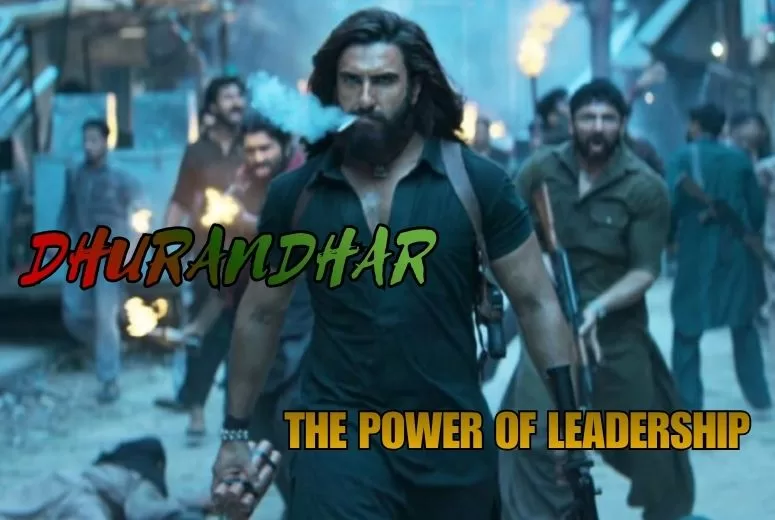
I walked into Dhurandhar expecting R Madhavan to carry the show and hoping Ranveer Singh would bring his signature wild energy. But honestly, what I got was way heavier—and, weirdly enough, really satisfying. The movie skips the usual hero antics and just zeroes in on the mission. It’s raw, almost like flipping through classified documents. The cast actually feels real, not glamorous at all. Dhurandhar isn’t looking for applause or approval. It captivates for over three hours, and while reactions may vary, that’s part of its beauty.
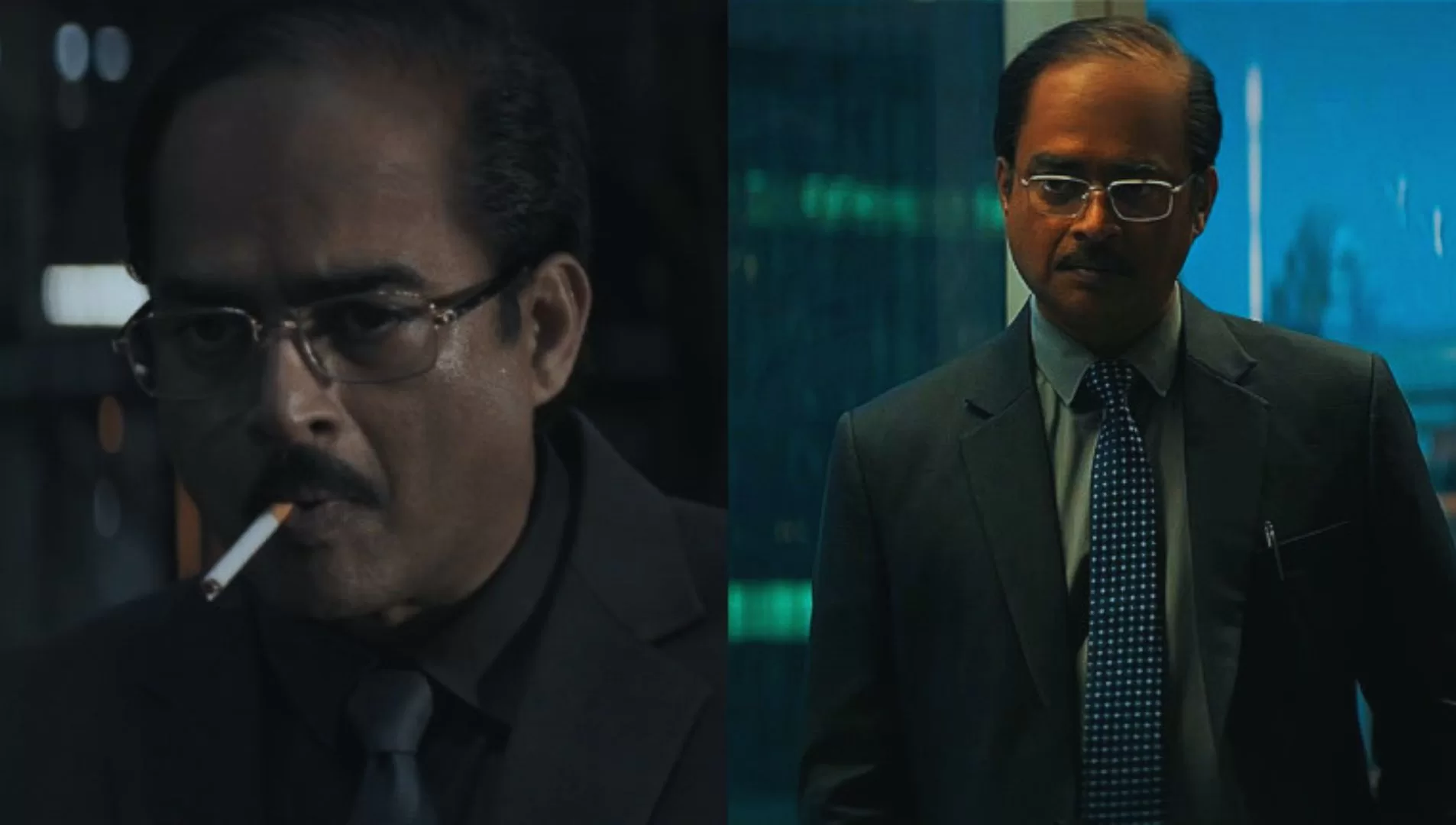
Chapter 1: Here’s why I walked into Dhurandhar
First of all R Madhavan. If he’s anywhere on the poster — as the star, in a supporting role, even if he’s just whispering in a corner — I know it’s worth the ticket. And honestly, it’s been ages since Ranveer Singh’s name meant something big without turning the whole thing into a circus. But the movie surprised me. Instead of shining all the light on just one star, Dhurandhar quietly hands it over to the whole team. For once, a mainstream Hindi film gets that the real hero is everyone working together. It’s not “Ranveer Singh’s film.” It belongs to all of them. That alone makes a difference.
Chapter 2: A Film Told in Movements, Not Minutes
Dhurandhar story unfolds in a complicated manner, similar to going through a secret document. Each page turned leads the audience into different situations. The story doesn’t go in a straight path but instead goes through different scenes where the characters must make important choices. These choices bring about surprising changes that engage the viewers actively.
Although the movie has a messed-up structure, it remains clear and connected, which helps keep the viewers interested. The development of each character is carefully woven into the main story, making their paths easy to understand and interesting. Slowly, the audience is welcomed to enter the film’s world and connect with its complex details.
What enhances this engaging experience even more is the film’s set design and the selection of actors. The environment seems authentic and lived-in, steering clear of the obvious charm that many films display when they attempt to mimic another culture. The places and people in the story aren’t just for decoration; they help the story feel true and authentic. The rough and sometimes uneasy feeling of the scene reveals a truth that many films overlook, keeping viewers interested. This blend of being real creates a powerful story that resonates on a deeper level.
The situation seems serious, and the strong feelings are obvious, drawing the audience into a genuine experience that lingers with them well after the movie is over. The movie really succeeds in showing its setting and characters in a way that feels both personal and striking. This helps to deeply examine its themes and the connections between people.
Chapter 3: The Ensemble is the Star
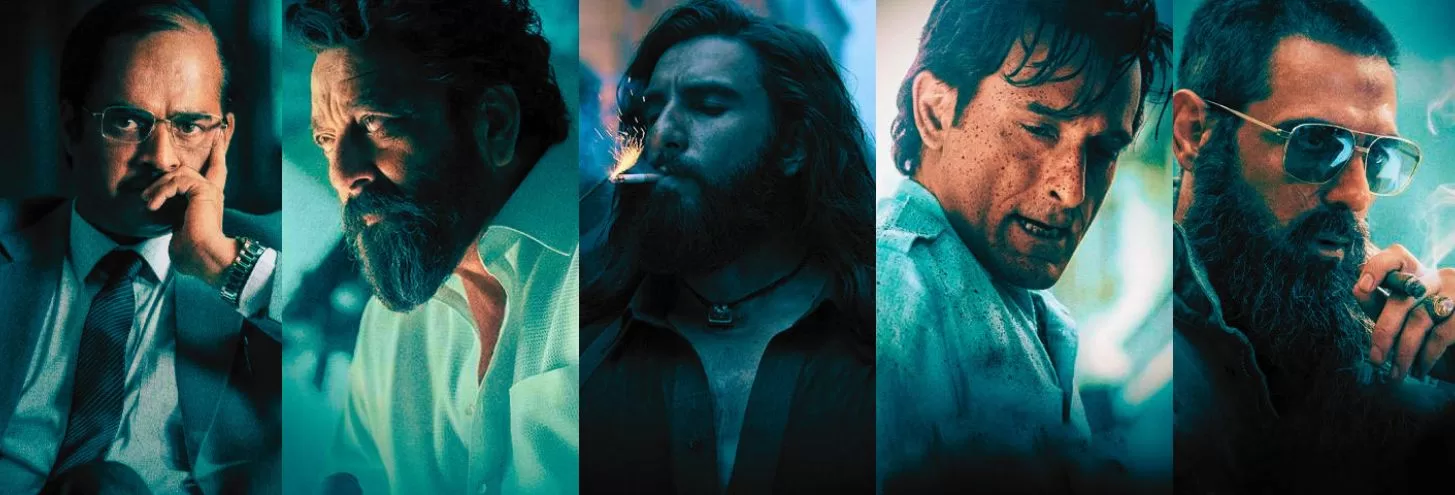
Every actor seems chosen, like the casting team really thought about every name in the credits. Nobody just fills a spot or gets lost in the crowd. That’s something you rarely see in movies. The ensemble isn’t background; they’re the heart of the story.
Ranveer Singh is different here not like in his roles. He keeps everything inside. Every move every look feels important. There’s tension underneath. There’s a kind of power in his restraint the way he owns a scene with his presence.
Akshaye Khanna shows that sometimes silence can be really powerful. He doesn’t need words to make you uncomfortable the way he sits in silence or lets a look stay. Sanjay Dutt has an authority. It’s clear he’s a strong person but he doesn’t overpower everyone else. It’s a kind of strength you respect without it being loud.
Arjun Rampal has this confidence that makes you unsure always wondering what his thinking. Rakesh Bedi fits into his role so naturally you’d think his been doing it for years proving that good performances don’t need moments. Even the smaller players feel like they’re exactly where they’re meant to be not there because of scheduling. Then there’s Madhavan keeping the moral compass steady. He doesn’t try to be in charge or give speeches. He’s just calm. You trust him because hes not trying to force it he just is. The ensemble makes the whole film better turning each scene into something you want to watch just to catch all the quiet moments, between them.
Chapter 4: Violence Without Celebration
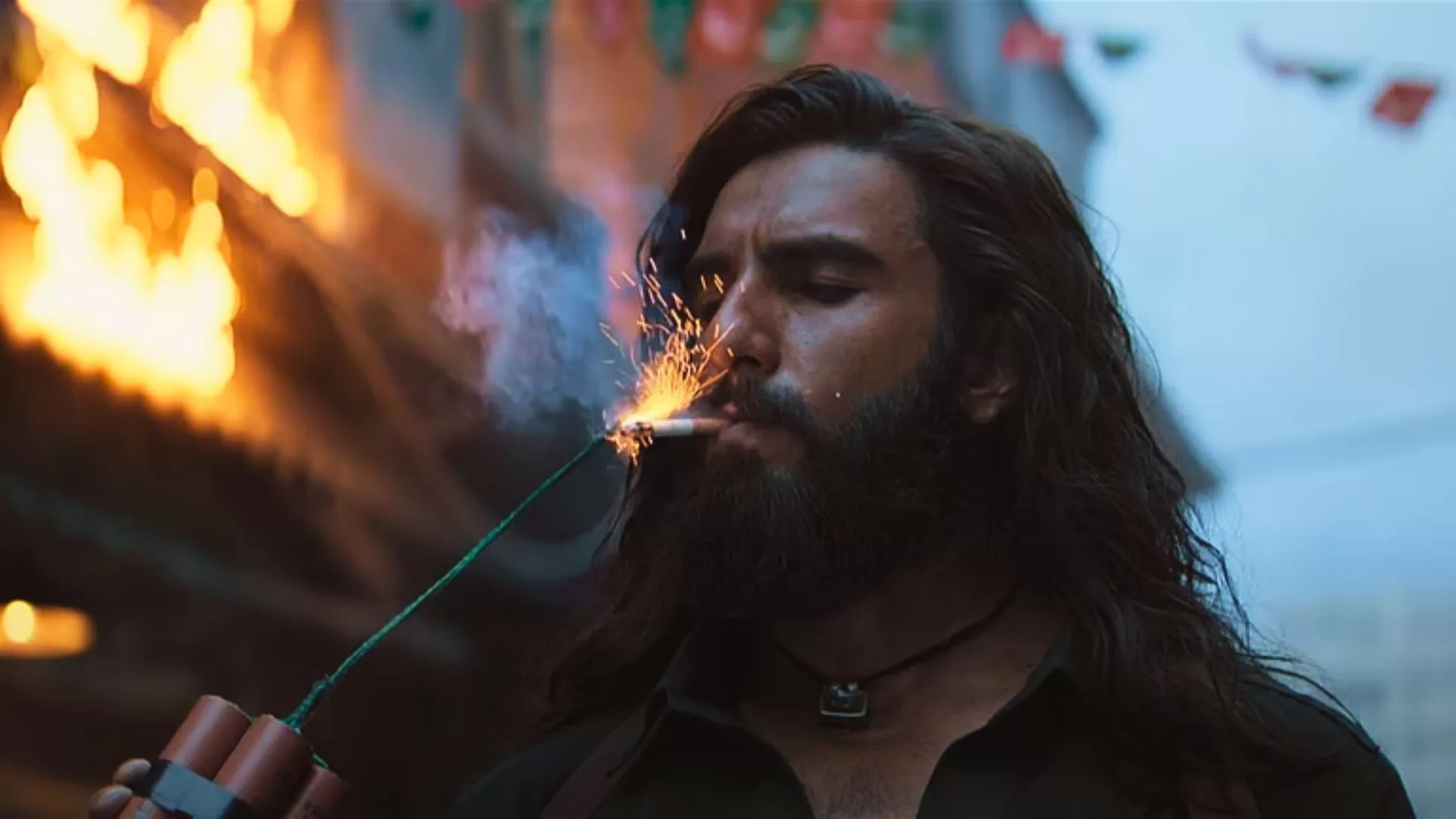
Let us be clear off the bat: the violence in this chapter is not just over the top it is primal, raw and about as gritty as the violence gets. Blood spatters everywhere bones snap in two. The story does not bother hiding the ugly truth of what is unfolding in the story.. What really stands out is that none of the violence comes across as empty or just for shock value in the story. The chaos and brute force actually serve the story of the chapter stitching themselves into the fabric of the plot of the story.
The violence never veers into parody. Slips into that cheesy exaggerated zone where it stops feeling real and starts looking ridiculous in the story. Every punch every shot or every tumble means something in the story. There is always a reason for the violence in the story. Fights are not just there to fill time or dazzle the eye in the story; they move things forward in the story turning each injury and each gunshot into a piece of the picture of the story.
You can actually feel the stakes with every scene in the story as if the story’s guts are there on the floor alongside the fallen bodies in the story. About those action sequences in the story. Some of them are long almost exhausting in how relentless the action sequences are in the story. Strangely they never feel bloated or unnecessary in the story. Instead they keep you hooked on the story like you are holding your breath till the blow lands in the story.
At a sprawling 212 minutes the film does not lose its grip for a second on the viewer. That is impressive in the story. These days people barely stick around for a five-minute video without tapping to something else on their devices. So the fact that this story commands attention for over three hours in the story? That is no feat in the story. Honestly it is a victory for the story. Keeping you invested in the story edge-of-your-seat, in the story for the haul of the story.
Chapter 5: The Sound That Divides
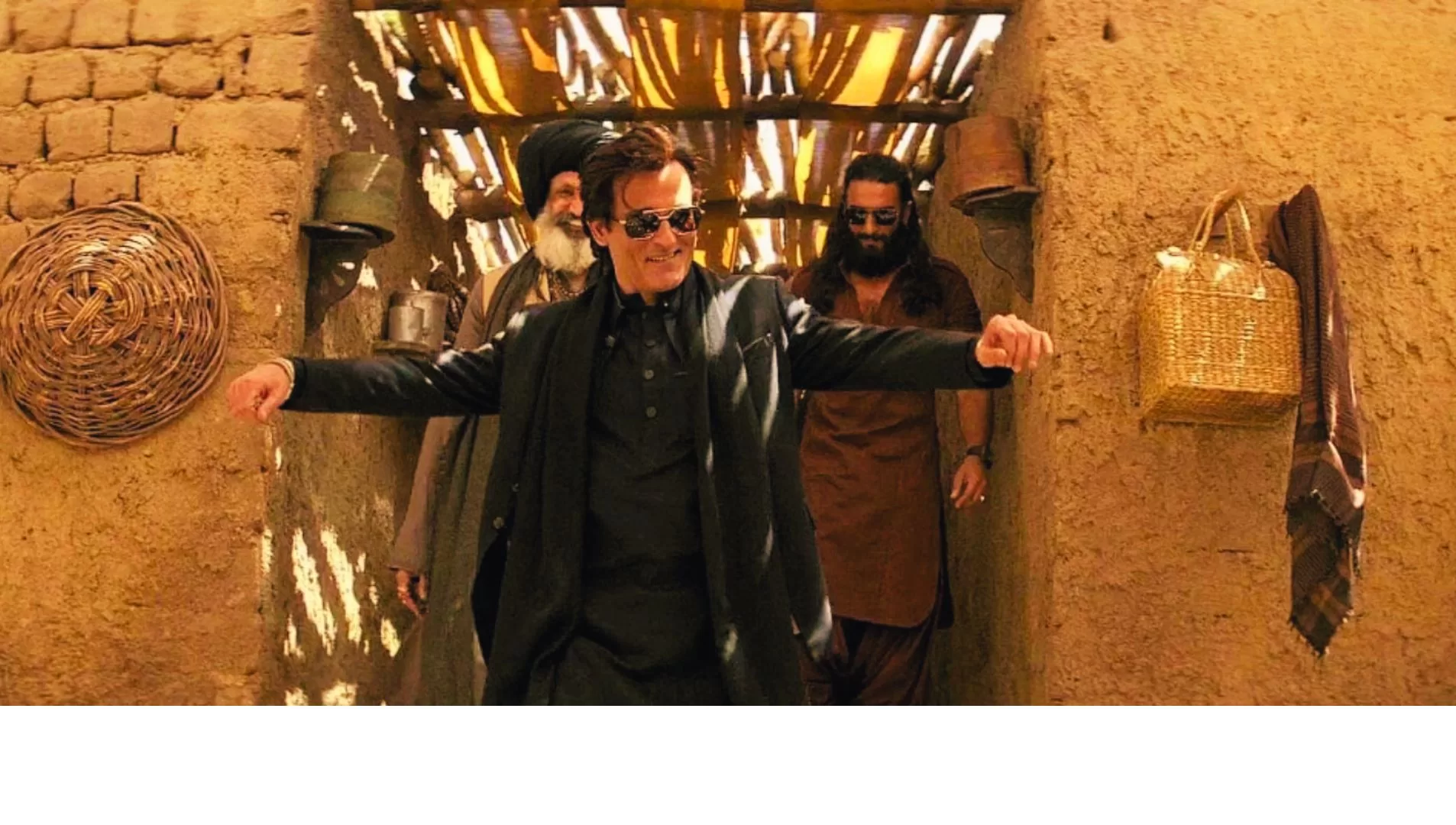
The background score is really loud. Sometimes it’s almost too much. When I sat in the theater I could feel it pushing against me like a wave that won’t stop. It’s cool. There are moments when its too loud and the music seems to be trying to be heard more than the movie. Then something funny happened. Later I heard one of those songs on TV. The sound wasn’t competing with explosions or crowd noise or the muffled sound of movie speakers. Everything changed.
I could clearly hear the lyrics. I felt the emotion behind the words. I finally understood what the song was trying to say. The music had its space to exist and the message, which was hidden before became clear. So I think that’s the point. Sound sometimes needs a space. When you give it some distance, when you’re not overwhelmed by noises or special effects its meaning becomes clear. It’s, like the audio needs room to breathe. When you let it you start to understand what you’ve been missing.
Chapter 6: Not a Closure, But a Promise
When the Dhurandhar movie ends and the credits start rolling you feel it. The movie is not really over. The people who made the movie are of telling you “Wait the story is still going on.” They do not try to answer every question or finish every storyline. They give you a clues and leave some things open so you cannot help but think about what is going to happen next. And they are pretty clear about what they’re planning to do next. The next movie is already scheduled to come out in mid-March.
This is not, about making everything neat and tidy. It is like they are passing the story to you not saying goodbye. I think this is a brave thing to do. You leave the theater still thinking about the movie still wanting to know more and maybe even having questions. Some people go to the movies wanting all the answers wanting everything to be wrapped up nicely.
This movie does not give you that. Instead it promises that there is more to come. The people who made the movie are taking a chance. They might make some people angry who do not like it when stories are left unfinished.. It also shows that they know what they are doing and they are not afraid to think about the long term. So of saying goodbye the movie pulls you in and makes you want to know what is coming next. It is not the end of the movie. It is the start of what is coming next with the movie.

Chapter 7: Brand Dhurandhar
From a Brand Sutra lens, Dhurandhar is interesting because it doesn’t sell one hero; it sells a belief system — that strategy beats swagger, that silence can be louder than slogans, that teams outlive stars. It resists the current temptation of making one man larger than the mission. Instead, it makes the mission swallow the men. In a time when cinema often chases viral moments, this film chases institutional memory.
NET NET: A value investing strategy
The Dhurandhar film franchise is based on made up stories from the past. It gets a lot of ideas from spy jobs, problems between countries and actual scary events.. The main character, Hamza Ali Mazari and what he has to do are not based on one true story. This movie is really long. Sometimes it goes on and on. The music can be too much at times.. It is also very ambitious, realistic extremely intense and it does not try to show off its famous actors. It does not ask for people to clap it just gets your attention.
- I went to see the movie because I like Madhavan.
- I left the theater with a lot of respect for the team that made the movie.
- That feels like a bigger accomplishment, than just one person doing a good job.






0 Comments