
Music can really boost the video content for any YouTuber by improving production quality. But using copyrighted music without permission can lead to lawsuits and even getting your videos taken down. To avoid copyright issues, you need to get the right legal permissions, and it’s not as easy as just giving credit to the artist. In this article, we’ll explore how to use music legally and steer clear of copyright claims on YouTube.
What is Music Copyright Infringement
Music copyright infringement happens when someone uses copyrighted music without getting the legal go-ahead from the owner. Copyright law gives the creator of an original work, like a song, the exclusive right to control how it’s used and shared. So, only the copyright holders have the right to copy, distribute, or publicly display their work. If you use copyrighted music without permission or a proper license, you’re crossing into copyright infringement territory. This could mean reproducing, distributing, performing, or showing a song or sound recording without the necessary legal rights.
If a copyright owner’s rights are violated, it could lead to serious legal consequences like a copyright claim notice or a takedown request, potential lawsuits for damages, and removal of the infringing content from the platform. That’s why it’s really important for YouTubers to grasp the basics of copyright law and learn how to get the permissions or licenses needed to use copyrighted music legally.
Why Does YouTube Copyright Music
Most music out there is copyrighted to protect the artists and everyone else involved in making the music. YouTube copyrights music to safeguard these copyright holders and ensure they get paid fairly for their work. They do this through a system called Content ID. Whenever you upload a video, Content ID verifies whether it includes any copyrighted music that shouldn’t be used without authorization. In a nutshell, YouTube copyrights music to protect the rights of copyright owners, prevent infringement and make sure its platform is used legally and ethically.
YouTube’s Copyright Policies
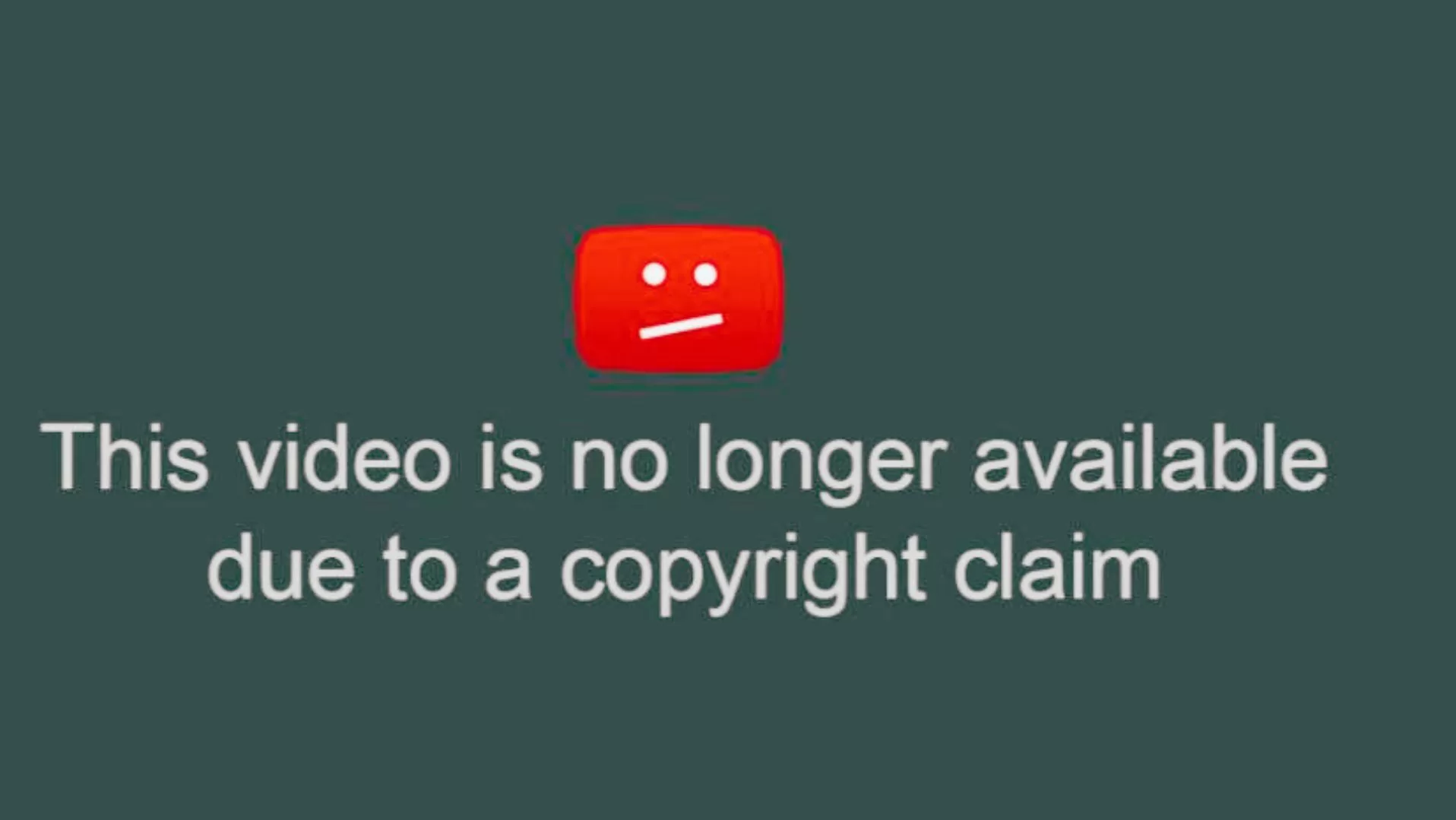
Now that we’ve touched on why YouTube is so strict about copyright laws, let’s take a deeper look at their policies. When you upload a video, YouTube uses its Content ID technology to scan for music or audio that might not have legal permission to be used. If it finds something that looks like copyright infringement, it alerts the copyright owner. Once the copyright owner gets this notification, they have a few choices. They can either monetize the video, mute the music, or block it altogether. If they decide to monetize it, any ad revenue generated goes to them, not to the YouTuber.
It’s important to note that Content ID doesn’t automatically know whether you have the rights to use a particular song in your video. So, if you receive a copyright claim notification, it just means you might be using copyrighted material. It doesn’t necessarily mean you’re in trouble. If you do have permission from the copyright holder to use the song, you can challenge the Content ID claim, and the copyright owner can lift it, allowing your video to be seen as normal.
If you haven’t gotten the right permissions and the copyright holder decides to take action, and YouTube agrees, you could get a copyright strike. After your first copyright violation, you might find yourself unable to monetize your videos for 90 days and needing to educate yourself on copyright issues and how YouTube manages them.
Once you rack up three copyright strikes, things can take a serious turn. You might face consequences like:
- Losing your account altogether.
- Having your uploaded videos deleted.
- Being unable to create new channels.
Even if you delete the video that caused the strike, your account remains affected. If you do get a copyright strike, there are a few ways to address it:
- Just wait out the 90-day period.
- Ask the copyright holder to retract their request.
- You can file a counter notification if you want to challenge the claim.
If you want to steer clear of the hassle of music licensing and navigating YouTube’s copyright policies, Track Club offers a straightforward tool called TrackID. It helps manage any Content ID claims you might receive on YouTube automatically. Find out more about how TrackID can help you avoid copyright issues.
How to Steer Clear of Copyright Claims on YouTube
If you want to keep your content flowing on YouTube without running into copyright claims, following these guidelines is key:
- Only use music that you own outright, like your own original tracks or tunes that are in the public domain.
- Make sure to get the necessary permissions from the artists or record labels if you’re planning to use copyrighted music.
- Stick to the community guidelines laid out by YouTube.
The best way to avoid copyright issues is to use music you have the rights to use. This could mean tracks you’ve licensed, music that’s in the public domain, or tunes you’ve composed yourself.
How to Legally Use Copyrighted Music on YouTube
If you’re set on using copyrighted music, you’ll need to secure the right licenses and permissions to do so lawfully. We’ve put together a detailed guide that explains how to license music for YouTube and why it matters, which you can check out here. Here are some common legal ways to include copyrighted music in your YouTube videos:
- Obtain a License or Permit from the Copyright Holder: One straightforward approach to lawfully use copyrighted music is to get permission directly from the copyright owner. Just reach out to them.
- Use Creative Commons Music: Creative Commons is a nonprofit that provides licensing options, letting creators share their work while still safeguarding their intellectual property. You’ll need to follow the specific rules set out by the Creative Commons license regarding how the music can be used.
- Incorporate Public Domain Music: This type of music isn’t protected by copyright, which means you can use it freely without needing a license. Music enters the public domain when its copyright protection has run out.
Check out Track Club, a subscription service for music licensing that offers a carefully selected catalog of unique, high-quality tracks for brands and creators. Their app provides customizable songs, many produced in-house, all refined to meet top standards. With Track Club, YouTubers can access great music at a reasonable subscription cost, starting at just $12 a month. And you can even try it for free with their Test Drive.
Common Mistakes to Avoid When Steering Clear of YouTube Music Copyright Claims
Even if you take the right precautions, you might still get hit with copyright claims on your content. Let’s take a look at some usual pitfalls to avoid:
- Assuming that using YouTube means you’re covered by a license. Not all licenses let you use material on YouTube, so make sure to read the fine print and confirm that it’s good for your video’s purpose.
- Just crediting the song’s artist in your description. Even if you give credit, that doesn’t mean you have permission to use their music.
- Trying to outsmart Content ID by speeding up or slowing down a song. Messing with the song’s speed can hurt the quality, and YouTube regularly updates Content ID to catch altered music.
- Playing only a short clip of a song. Even a few seconds of copyrighted music can still get flagged by Content ID. Plus, to keep your audience engaged, it’s better to use more than just a snippet of the song.
Wrap it up
To wrap it up, copyright issues on YouTube can be a real hassle for creators. By understanding YouTube’s copyright rules and taking the necessary precautions, you can help avoid these problems on your channel. With a Track Club subscription, the music licensing process becomes smoother and more affordable since it offers unlimited sync licenses for tracks in their catalog, without needing to negotiate with rights holders. Track Club handles everything from choosing the right tracks to complying with YouTube’s copyright rules, allowing you to keep creating high-quality videos.






0 Comments