
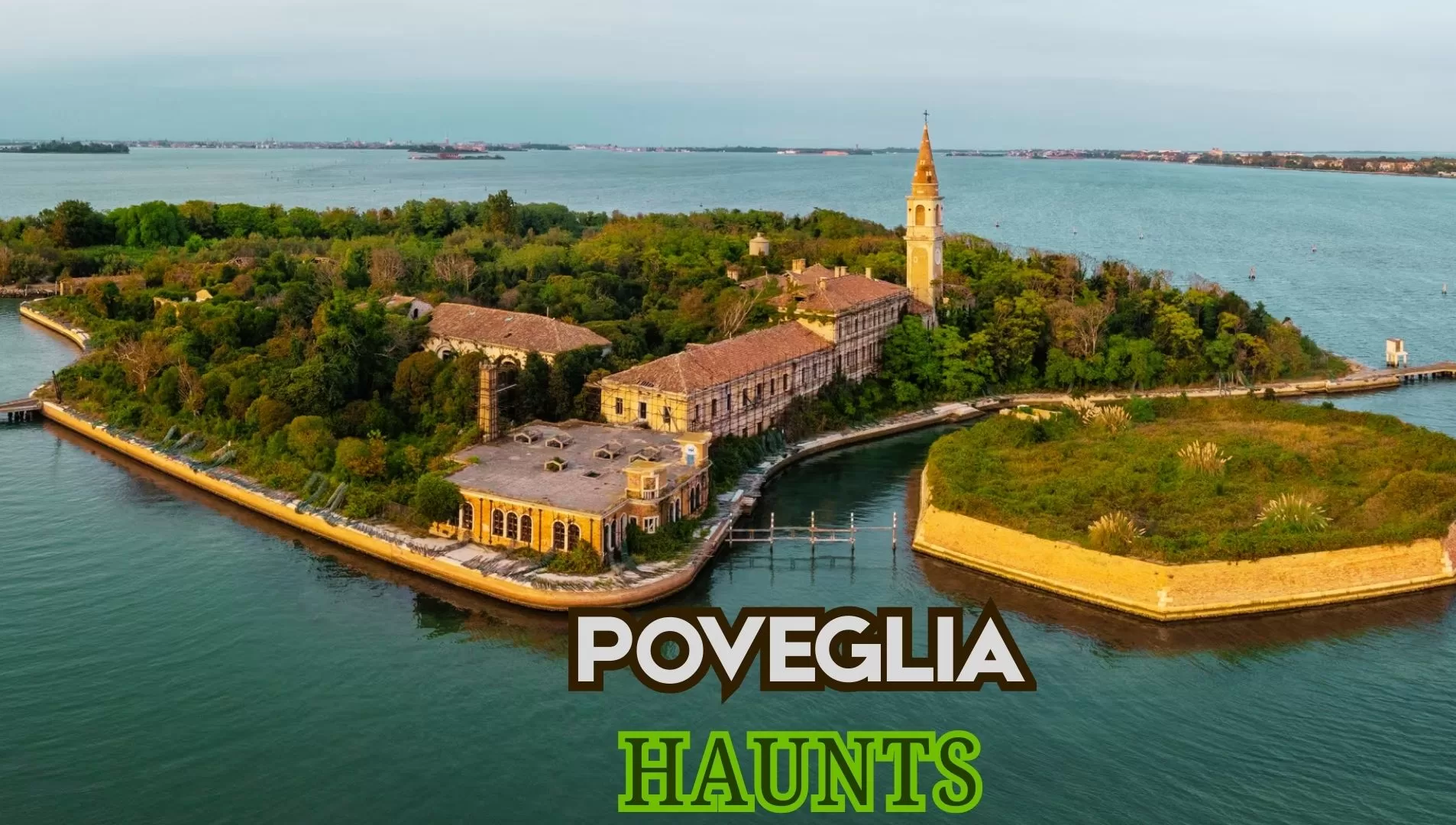
Lying between Venice and Lido, in the Venetian Lagoon, is the unassuming island of Poveglia, which is home to centuries of dark and mysterious history. A beautiful sight at a distance, this island has come to be regarded as one of the most haunted sites in the world. The island of Poveglia, with its history of war, plague, insanity, and death, has become the fodder of ghost stories, urban legends and morbid curiosity.
Since its humble initial beginnings as a temporary haven, Poveglia has a haunted history as a plague quarantine area, and a mental institution, reeking of unsavory details. Nowadays, it stands uninhabited-no tourist allowed and more or less forgotten by the rest of the world. This essay examines the dark past and haunting current of Poveglia Island, and why it has become both an interesting and a terrifying location.
A Peaceful Beginning
Poveglia first appears in history in 421 AD, when civilians fled the barbarians in the mainland in search of refuge in the island. Over the centuries Poveglia became a small but vibrant community. By the 9th century, it had been populated well enough that it was under the rule of the Doge of Venice, the principal dignitary of the Republic.
In the 14th century, the fortunes of the island changed as Venice got into battle with the Genoese. the once-and-former peaceful island was deserted during the war and was never actually returned to its civilian state. Since then its role had changed to something even more sinister.
Poveglia and the Black Plague
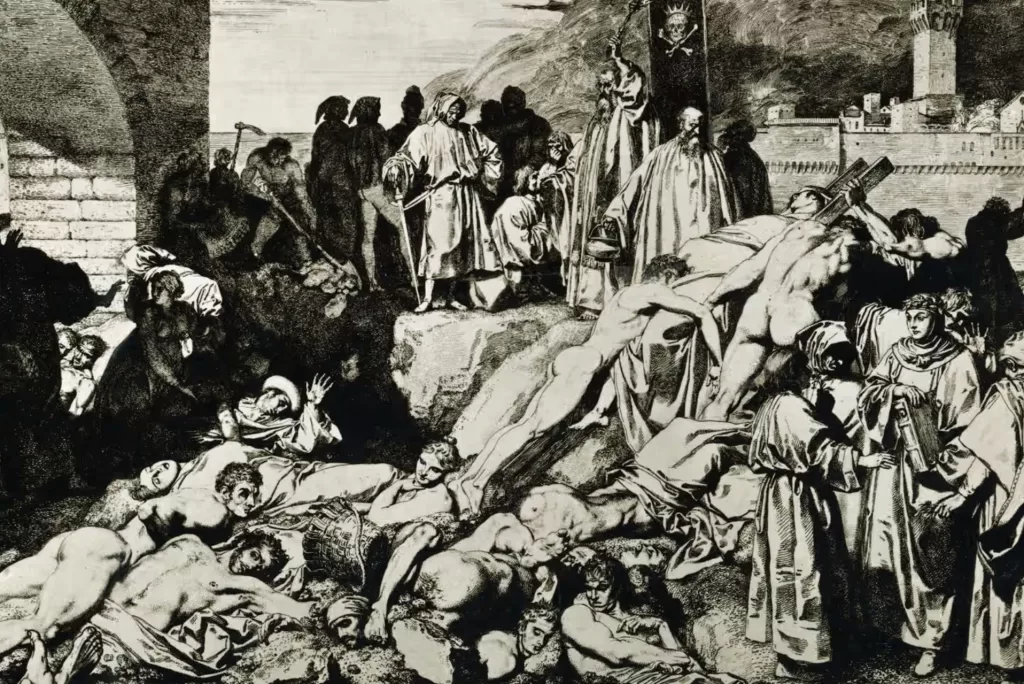
The saddest part of the history of Poveglia becomes evident at the period of the Black Death – the bubonic plague, which swept over Europe in the 14th century. Venice, suffering like other regions of Italy under frequent epidemics of the plague, procured by means of lazarettos, or quarantine houses, the isolation of whole populations.
Poveglia was selected as one of such places Anyone who showed up with signs of sickness was briskly evicted out of the city and banished to the island. It was a waste-house of the sick and dying. In other instances, individuals were considered a threat to the infected and were deported to Poveglia when they sneezed on the street or were in contact with the infected.
Mass graves were created and bodies burned in pyres that took days to burn. It is estimated that more than 100,000 beings might have perished on Poveglia between those times. The soil of the island is supposed to be made of a combination of ash and human ashes. Some visitors say that bones are sometimes dispersed on the island beaches out to date.
A Place for the “Mad”
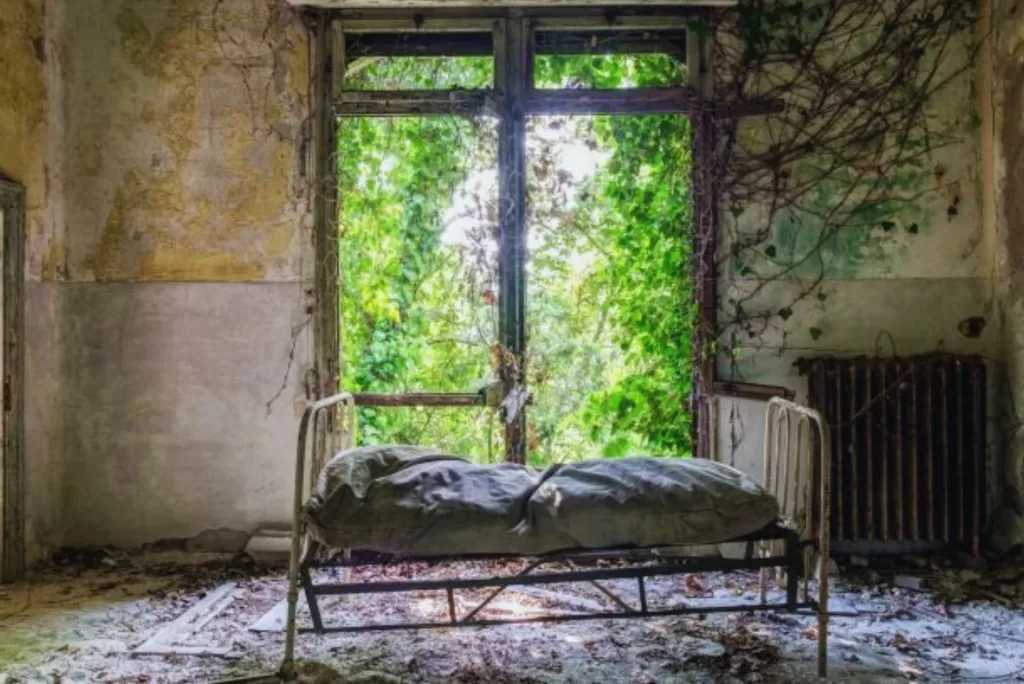
Poveglia was once again used 200 years later, this time as an institution of the mentally ill. In 1922, the mental hospital opened on the island. Fueled by little documentation, tales of abandonment and mistreatment have become firmly part of island folklore.
There is the tale of a sadistic doctor who performed inhuman experiments on patients. It was said that lobotomies were carried out using crude instruments without consideration of patient welfare, and without their consent. The physician is said to have tossed victims at the bell tower and said that he was possessed by some spirits of the island.
The doctor himself, either by jumping, or during the act of being pushed off, subsequently fell to his death in the bell tower. The locals state that his body was rapidly consumed by the ground and his spirit, as well as those of thousands of victims, continues to haunt the ruins of the citadel up to today.
The Legacy of Haunting
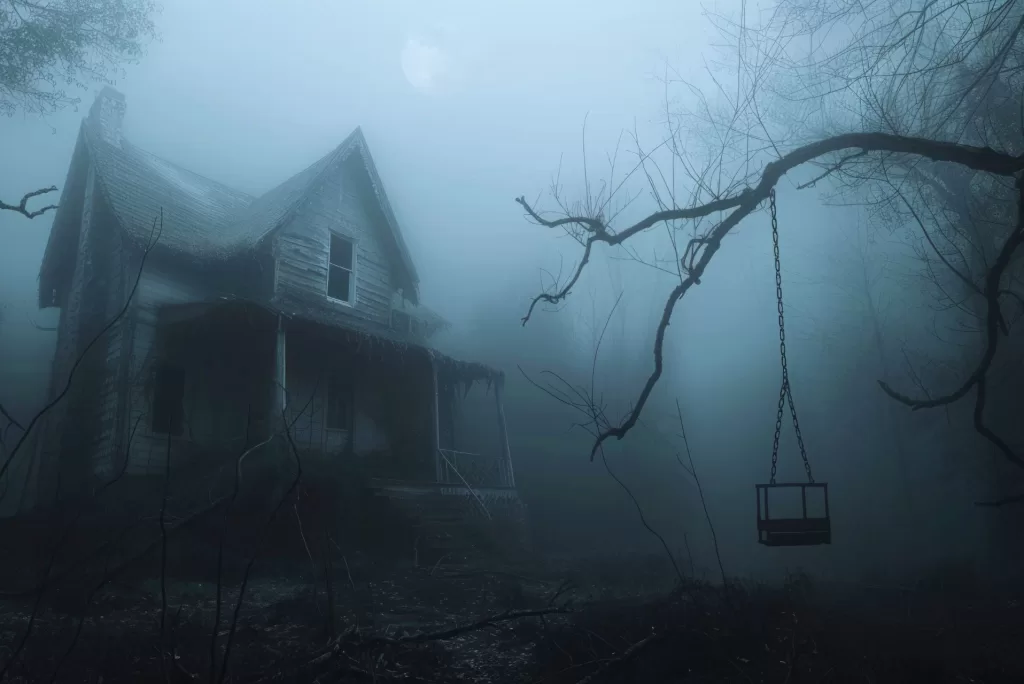
No wonder people have called Poveglia as one of the most haunted places in the world. Many paranormal investigators and adrenaline junkies have shared eerie experiences:
- In silence, disembodied screams and whispers could be heard.
- Apparitions of plague victims wandering through the fields or looking out of deserted buildings.
- The bell tower – long since silenced – supposedly tolls faintly on misty nights.
- Visitors have reported experiencing strange feelings of dread, the feeling that they are observed or even physical marks like scratches or bruises appearing on their bodies after they left, without any apparent explanation.
Some dismiss these as urban legend or the effects of the power of suggestion, but others believe the island is truly cursed. Tales of fishermen not risking venturing into the waters around Poveglia due to bad fortune or worse have been known to be plentiful in Venice.
Modern Status: A Forbidden Island
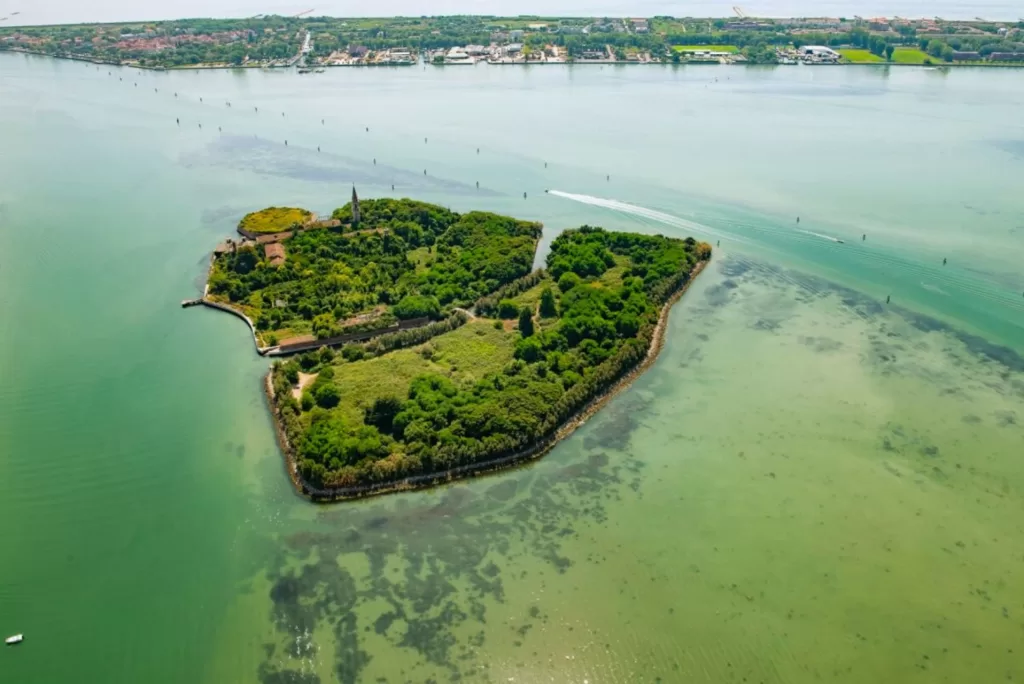
Today, Poveglia is closed to visitors. The structure is governed by the Italian government and is not deemed as a safe place due to the lack of stability in the buildings and the subsequent health hazards. Boats are forbidden to dock there, unless permitted, and trespassers may face hefty fines.
In 2014, the ownership of the island was auctioned by the Italian government as part of a financial crisis. The island was rented to a businessman named Luigi Brugnaro (now, Mayor of Venice) who planned to restore it and maintain it. His restoration project never fully materialized however and the island remains unexploited.
Local groups and heritage associations have intermittently attempted to get the island declared a cultural or historical site, though the negative connotation and desperate condition of the buildings has made this hard.
The Mystery Endures
Although it is impossible to visit, Poveglia remains fascinating to the general population. It was listed in television programs like Ghost Adventures and Scariest Places on Earth, both of which describe it as a paranormal hotbed.
However, it is not just the ghost stories and horror tales, Poveglia is a dark reminder to the darker side of history when disease, fear and cruelty was left to rot alone. It is a tale of more than just ghosts, but also about human pain and neglect in society.
Ethical Reflections
We must consider when an object of large-scale suffering becomes a spectacle. They say that these types of treatments need to be kept in memory in a manner that is not entertaining but rather respectful as an honor to those who suffered. Other people think that realizing the horror-by means of documentaries, historical research, even ghost tales goes along with keeping the memory of the victims alive.
Dark tourism is a topic that is increasingly gathering attention over the last few years and involves visiting place of death and tragedy. No matter whether it is Auschwitz, Chernobyl, or Poveglia, there will always be questions as to how the past should be remembered. What is our liability to those who were harmed? And where does the border between curiosity and exploitation fall?
Conclusion: A Silent Witness to the Past
Poveglia Island might be closed, but it is very much present in the mind of the world. It looms over the remains of the plague to the shades of the asylum, not only as a ghost story but also as a cautionary lesson about how languages are structured to recognize their most afflicted.
Be it in the dead or not, the true horror in Poveglia is the story of human fear and abandonment, and forgotten pain. And as it dissolves gradually into the Venetian Lagoon, the island teaches us that the past is never completely gone-down-it lies only here and there beneath the surface, Glancing over its surface, or the perceived surface of things.






0 Comments