
Most people generally associate the word “scam” with something easy to spot like a fake lottery win, an e-mail phishing scam or fake products. But the deceptive world has changed over the years. Today’s scammers are more intelligent, ingenious and sophisticated, and they have advanced technologies in their hands that can fool even educated, sensible people.
Many of these scams are so convincing that they don’t appear to be scams. Most of the time they come across as a valid business opportunity, a crisis for help, official communication, or a friendly interaction. Millions of people each year lose out on hundreds or thousands of dollars worth of personal information, money and assets due to not knowing the warning signs.
Let’s have a look at some of the most well-known scams that still fool people today, and how they still continue to defraud people all over the world.

The AI Voice Clone Scam
While artificial intelligence has come a long way, it’s also a weapon in the hands of criminals.
In this scam, fraudsters use AI software to replicate someone’s voice. It can be possible to make a realistic fake with just a few seconds of sound clip from social media videos, voice messages or online interviews.
Victims are called by someone who claims to be a family member or friend. The caller says that he or she is in trouble and desperately needs money. The tone of voice is authentic and people tend to wire funds without verifying the request.
The proliferation of AI technology is making it easier for fraudsters to create voice-cloning scams and experts are predicting it will be one of the most frequent types of scams in the near future.
The “Too Good to Be True” Investment Scam
No one has ever been deterred by the prospect of overnight riches. Scammers are aware of this, and hijack it by creating fake investment schemes.
Often these schemes promise fixed returns, special investment strategies or special tricks that can make extraordinary returns.
First, victims can even experience fake profits in websites or apps. They are encouraged by the apparent success and put in more money. Ultimately, you’re unable to pull any money out of it and the scammers vanish.
Many people think that they are investing in genuine businesses, whereas they are actually funding a sophisticated fraud.

The Romance Scam
Internet dating has opened up the opportunity for emotional manipulation.
Romance scammers are scammers who register fake profiles on online dating sites and social networking sites. They build trust with victims for weeks or months, before introducing a crisis.
Common excuses include:
- Medical emergencies
- Travel expenses
- Business problems
- Family crisis
The victim thinks they are supporting a loved one, and sends money willingly. The scammer in many cases is outside the country and is making multiple contacts at a time with victims.
Not only are the financial losses enormous, but often so are the emotional losses as well.

The Remote Access Scam
Numerous individuals have been called by someone pretending to be from technical support.
The scammer might state that you have a virus on your computer, bank account problem, or a problem with your Internet connection. In order to “fix” the problem, they have a request for you to install remote-access software.
However, after installation, the attacker has control of your device. They have access to passwords, financial data, personal files and online accounts.
This scam is so effective due to the fact that the victim willingly gives access to them.

The Fake Charity Scam
People are typically motivated to give money in response to catastrophic events, humanitarian crises and emergencies.
This generosity is exploited by scammers who set up bogus charities that look real. They can develop professional websites, utilize emotional images and write effective stories to prompt giving.
Victims think they’re helping those in need but the cash is going straight to criminals.
When disaster happens, these scams can spike in numbers when the public is most sympathetic to them.

The Subscription Trap
There are many web services that offer free trials, which are benign.
But behind the terms and conditions, there are automatic subscription fees. Users enter payment details when signing up for a free trial only to find that they are subject to ongoing charges.
There are some legitimate subscription services out there but there are others that are set up to make it difficult to cancel.
This scam is based on the fact that a lot of people don’t pay attention to the details.
The Fake Job Offer Scam
Job seekers are one of the most vulnerable groups that can be targeted by fraudsters.
Scammers post good jobs that pay well, but require little or no skill. The victim receives a good interview and is told that he or she has been chosen.
But it’s when they are asked to pay that the catch kicks in:
- Training fees
- Registration fees
- Equipment deposits
- Background verification charges
After payment, the job will be removed with the recruiter.
Unfortunately, a lot of people overlook signs when they are excited about getting a job, but employment can be stressful.
The QR Code Scam
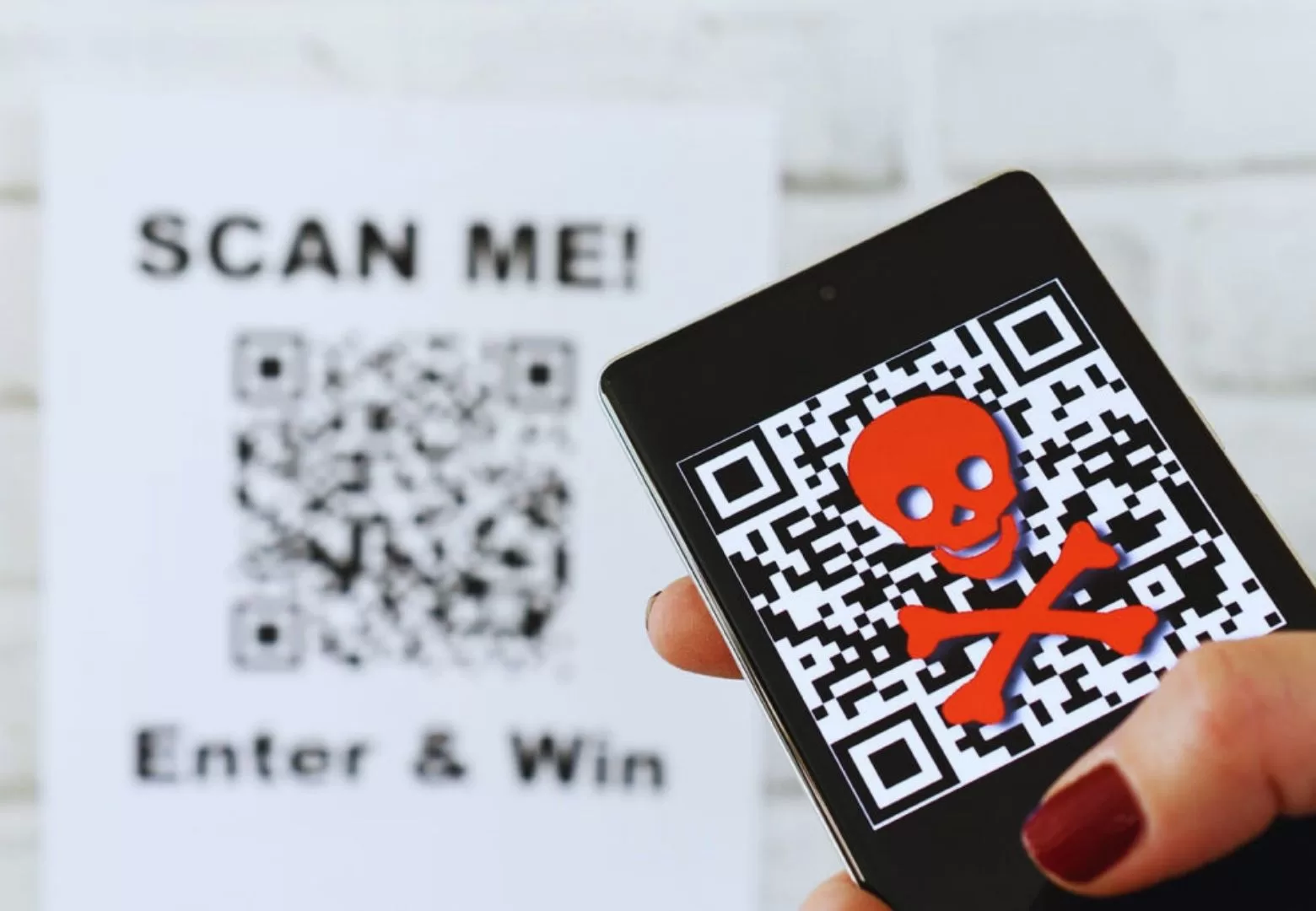
QR codes are an integral part of daily life. Unfortunately, there are fraudsters out there who have exploited them.
A criminal can provide a QR code that promises to be a source of money to the recipient. In fact, scanning the code can actually trigger a payment.
Other scammers cover up QR codes at restaurants, parking lots or public areas.
Victims unwittingly are wiring money to fake accounts under the impression they are making regular payments.
The Social Media Giveaway Scam
There are giveaways, contests and promotions on social media.
Scammers set up fake accounts claiming they are from celebrities, influencers or large companies. They advertise contests and state that users have been awarded prizes.
As a condition of the reward, victims are requested to pay shipping costs, taxes or processing fees.
After paying, the prize will never come.
These scams are extremely successful on social media platforms because they can instantly access thousands of possible victims.

The Digital Arrest Scam
Amongst the most haunting of today’s scams is when criminals pretend to be police officers.
The victim is informed that their name is associated with crime activities including money laundering, drug trafficking or cybercrime. The scammers’ methods are to use fake documents, websites that appear official, and even video calls to give the appearance of legitimacy.
They will pressure victims into giving up money to verify, to process, or protect an account.
When fear is at work, it is the scammers strongest weapon. A lot of individuals obey just because they are scared of getting arrested.
Why These Scams Work
These scams are not just as a result of technology. They are successful because they take advantage of human emotions.
Most frequent emotions targeted are:
- Fear
- Greed
- Love
- Curiosity
- Trust
- Urgency
The scammers are very much aware of the human psychology. They understand that when people are in high emotions, they tend to make hasty choices without thinking.
The psychological manipulation aspect of a scam can be worse than the actual scam itself.
How to Protect Yourself
Scammers are constantly coming up with new tactics; there are a few simple habits to minimize your risk:
- Confirm unprompted requests.
- Do not share passwords or one time pass codes.
- Watch out for pleas to wire money.
- Carefully research investment opportunities.
- Verify identity of callers before acting.
- Don’t click on dubious links.
- Use strong passwords and multi factor authentication.
Remember if it doesn’t seem right, ask why.
Most importantly, keep in mind that a legitimate business will never pressure someone to make quick decisions about an urgency to pay money.

Conclusion
Scams have been around for ages, but these days they’re more advanced than ever. In the age of technology, scams can be so convincing that they can trick even the most astute investors, from lured by AI-generated voices to seemingly legitimate investments, to romance scams and online arrests.
The best prevention, is awareness. Knowing how these scams work can help them alert others that they might be scams. With criminals still finding new ways to carry out their crimes, it’s more than a good idea to stay informed and be alert, it’s a must-have skill to survive in today’s world.
If a deal or investment opportunity seems too good to be true, is too urgent to pass, or is too good to be true, stop and do some due diligence. It may be one of the most important moments to save you from getting scammed by a scheme that not many people were aware of.






0 Comments