

FIFA World Cup 2026 Introduction
2026 FIFA World Cup is a memorable day in the history of football. More countries, more games and a larger global audience will experience football’s biggest tournament for the first time with the addition of an expanded 48-team field in the host nations of the United States, Canada and Mexico. From June 11 to July 19, the competition’s 16 stadiums across North America will turn the continent into the epicenter of football in the world for six weeks.
The pitches themselves are a story, but also the venues. Whether it’s the iconic stadiums of the past, which have seen some of football’s most iconic moments, or the modern stadiums, designed with cutting-edge technology and built to delight fans, every host stadium reflects the architectural vision, cultural identity, and sporting heritage of its city. The 16 stadiums will be the stage for the biggest and most exciting FIFA World Cup ever.
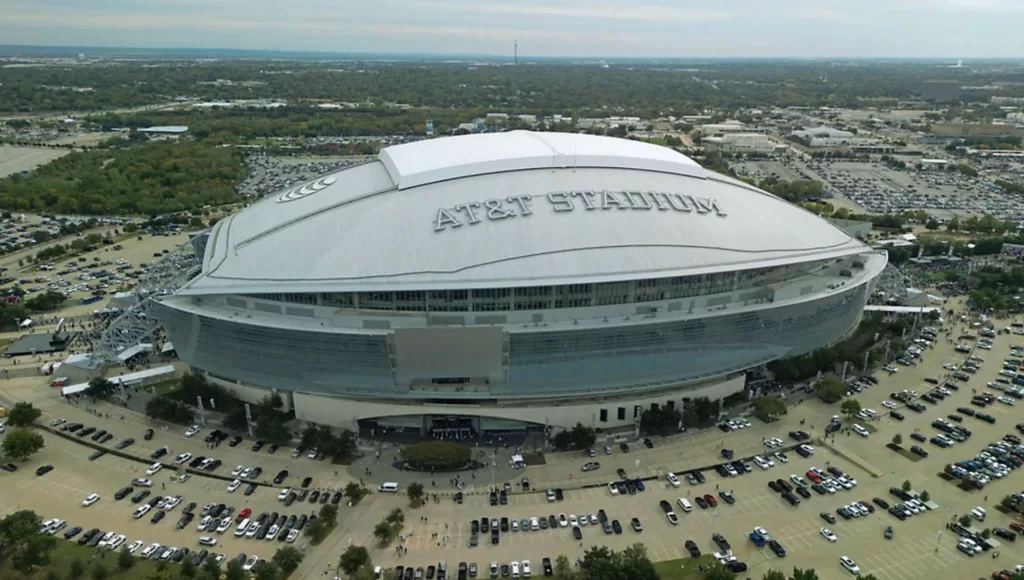
AT&T Stadium — Arlington, Texas, USA
- Capacity: 94,000
- Opened: 2009
The Dallas Cowboy’s AT&T Stadium is famous for its giant high-definition screen and its giant retracting roof. Its architecture merges modern steel and glass with a tremendous interior that enhances crowd energy. It is newer than many football-specific grounds, but it’s been the site of NFL playoffs, college football finals and concerts. It will host nine games for the 2026 FIFA World Cup, more than any of the other venues will host, including a semi-final.
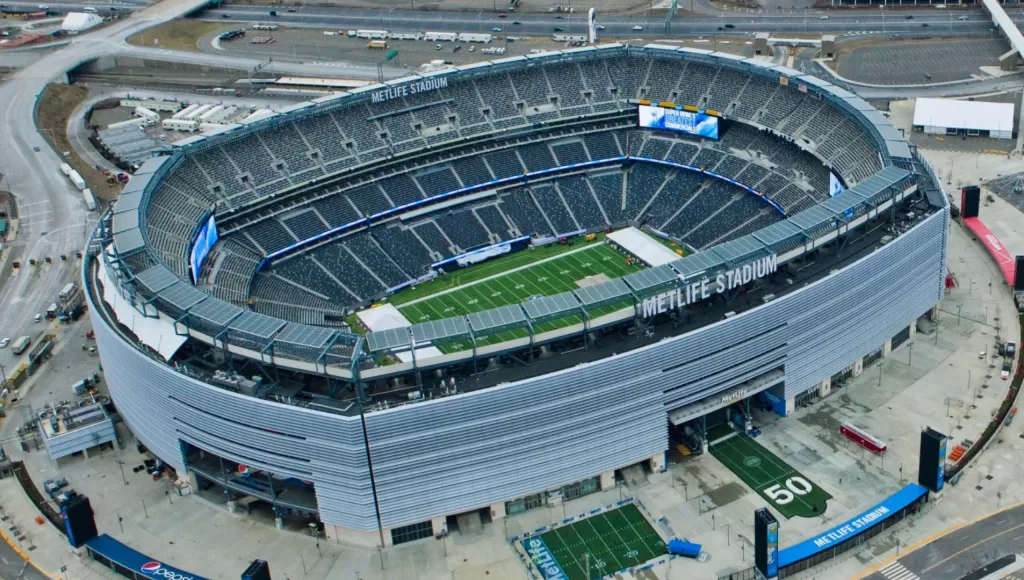
MetLife Stadium — East Rutherford, New Jersey, USA
- Capacity: 82,500
- Opened: 2010
Known by its nickname, The Stadium, MetLife Stadium is one of the finest multipurpose stadiums in the United States of America and is set to host the 2026 FIFA World Cup final on July 19. The stadium is usually used by NFL teams, such as New York Giants and Jets, and has been used for big concerts and soccer tournaments. A natural grass pitch is laid for the World Cup according to FIFA standards and the stadium will be temporarily renamed New York New Jersey Stadium. It has yet to host a previous FIFA tournament, but its area was forced to serve as host to the 1994 men’s World Cup at the close-by Giants Stadium.
The bowl design and broad steps provide a great view from the field in football mode and the multi-faceted façade and lighting make it a show-stopper for the New York metro area.
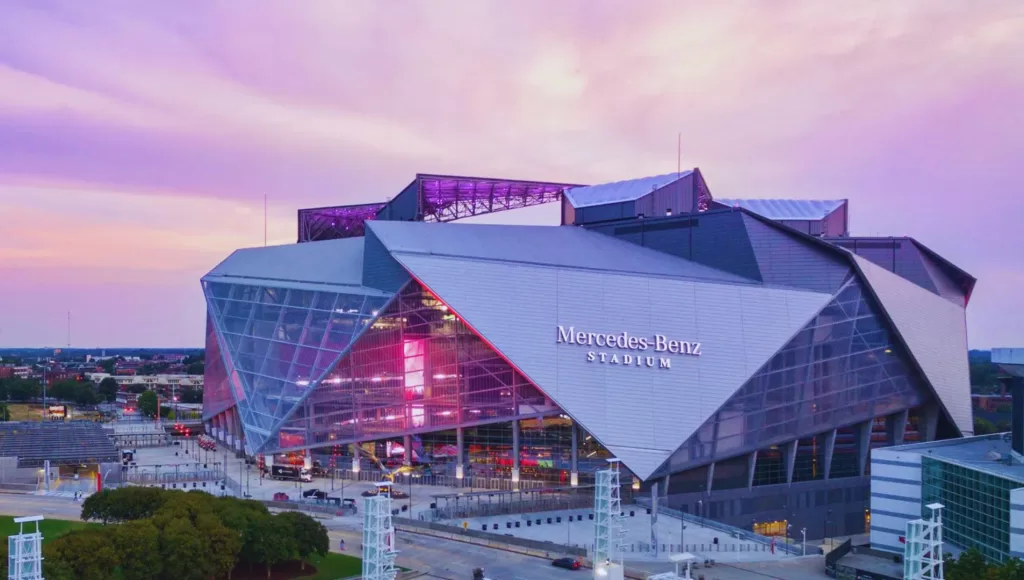
Mercedes-Benz Stadium — Atlanta, Georgia
- Capacity: 75,000
- Opened: August 2017
The World Cup is set to be played in eight matches at Mercedes-Benz Stadium. The stadium has an almost all-seeing eye with a ring video board, and its retractable roof is futuristic. It was the venue for big soccer games, such as Copa América and the FIFA Club World Cup, proving that it was more than capable of hosting American football and concerts. Large open concourses, advanced digital infrastructure, sustainability and fan experience are at the heart of the design.
Mercedes-Benz Stadium is one of the most impressive stadiums in the U.S with its octagonal plan modeled on the Roman Pantheon. While it hasn’t hosted a Men’s World Cup before, the venue is a hub for MLS and international club matches. It will be the host for the semi-finals.
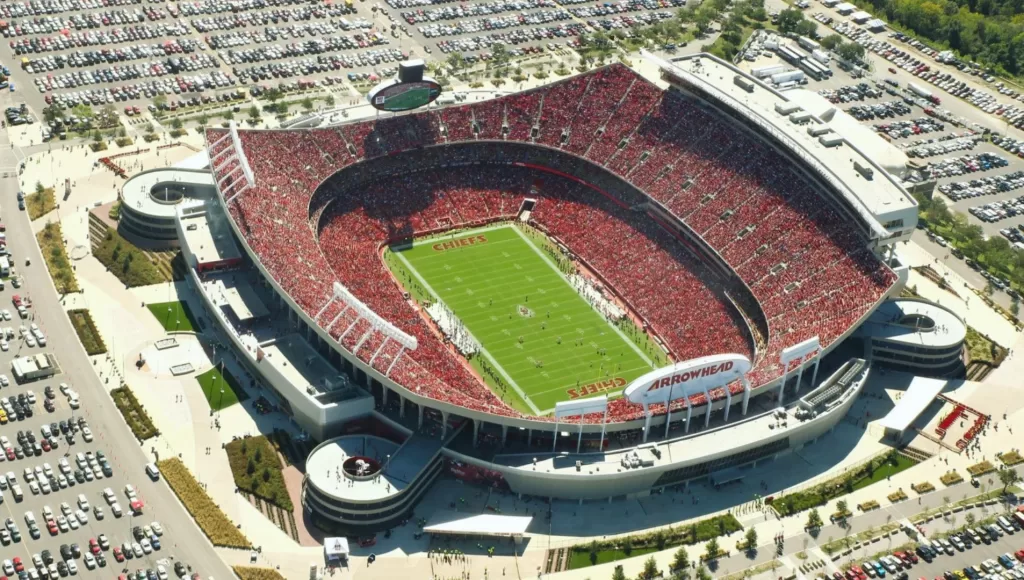
GEHA Field at Arrowhead Stadium — Kansas City, Missouri, USA
- Capacity: 73,000
- Opened: 1972
Known for the roar of its people, Arrowhead was the Guinness Record for the loudest stadium and traditional open-air bowl design. It’s not a World Cup match venue yet but it’s familiar and famous in the American football and MLS circles. It will host group and knockout matches in 2026 with its traditional bowl ambiance. The steep bowl that surrounds the field makes it a sound machine for the NFL’s Chief’s tradition. Though it has not hosted World Cups before, Arrowhead’s passionate environment promises memorable soccer nights.
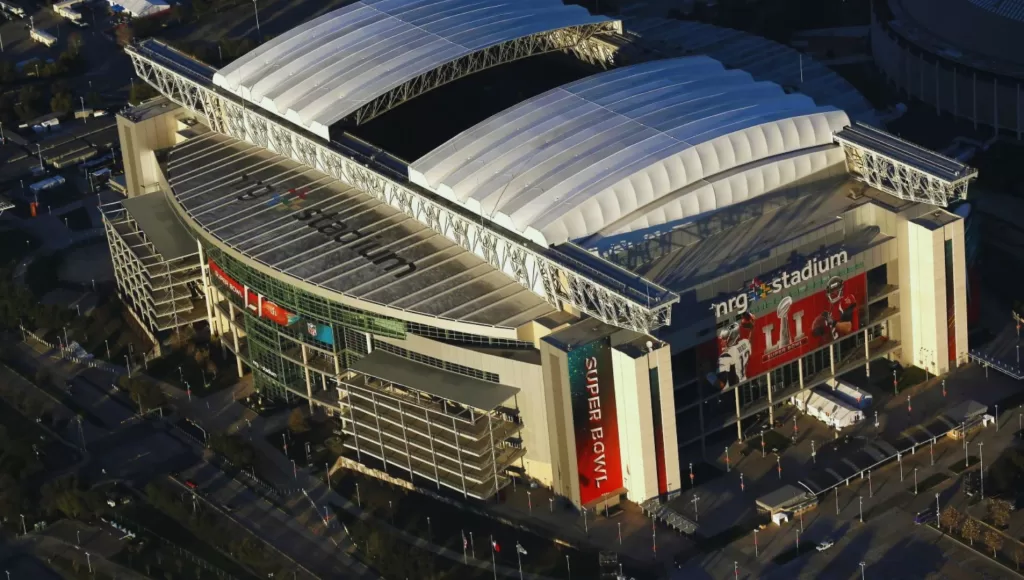
NRG Stadium — Houston, Texas, USA
- Capacity: 72,220
- Opened: 2002
NRG’s retracting roof allows games to be played in all weather conditions—vital in Houston’s summer weather. It has played host to the Copa América Centenario in 2016 and several soccer internationals and cup finals. In 2026 it will play a part in knockout and group events, making use of its multi-sport heritage. The stadium is equipped to host large-scale sporting events, and it has a history of hosting major international competitions. It has a history of hosting large-scale sporting events and the stadium is equipped to host large-scale sporting events.
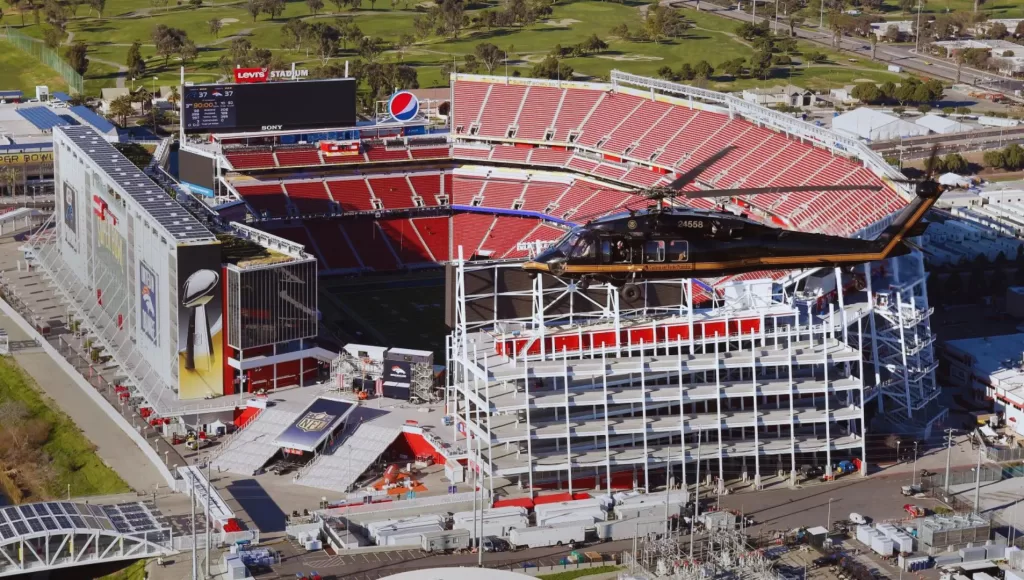
Levi’s Stadium — Santa Clara / San Francisco Bay, California, USA
- Capacity: 71,000
- Opened: July 2014
The Levi’s Stadium is in the San Francisco Bay Area, and will host six games. It has played host to international friendlies and the CONCACAF Gold Cup finals and has become a major U.S soccer venue. It’s designed to be sustainable and interactive with solar panels, water efficient systems, and its open concourse with the Silicon Valley vibe throughout the football experience. Even though they are new to the World Cup pitch, the region hosted some exciting World Cup games at local venues in 1994. Of course, the 2026 list is rounded out by the clean lines and eco focus of Levi’s Stadium.
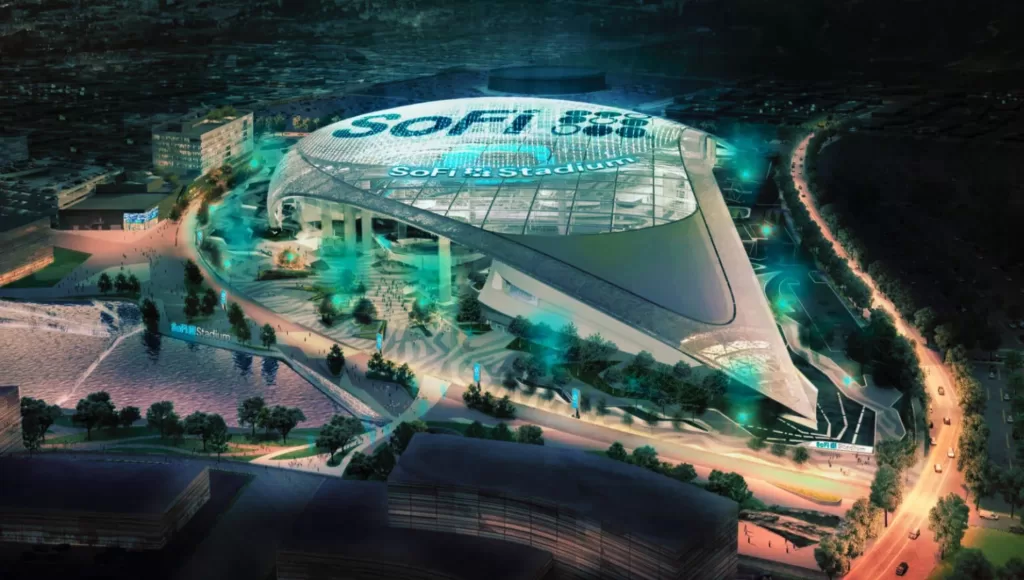
SoFi Stadium — Los Angeles, California, USA
- Capacity: 70,000
- Opened: 2020
SoFi Stadium’s LED video board and futuristic canopy over the stadium make it one of the most modern stadiums in the world. It’s been a home to international soccer showcases and now it will import its cutting-edge ambiance to the World Cup group. The stadium will be used for eight games, all of which will be games from the group stage of the USMNT and a quarterfinal.
Perhaps the most technologically advanced venue on the 2026 list, an enormous double-sided center videoboard and a translucent roof to create an immersive environment. Although this is SoFi’s debut on the World Cup field, the small yet large design, including part of the stadium being underground to meet aviation restrictions, coupled with world-class amenities make this a modern soccer stadium.
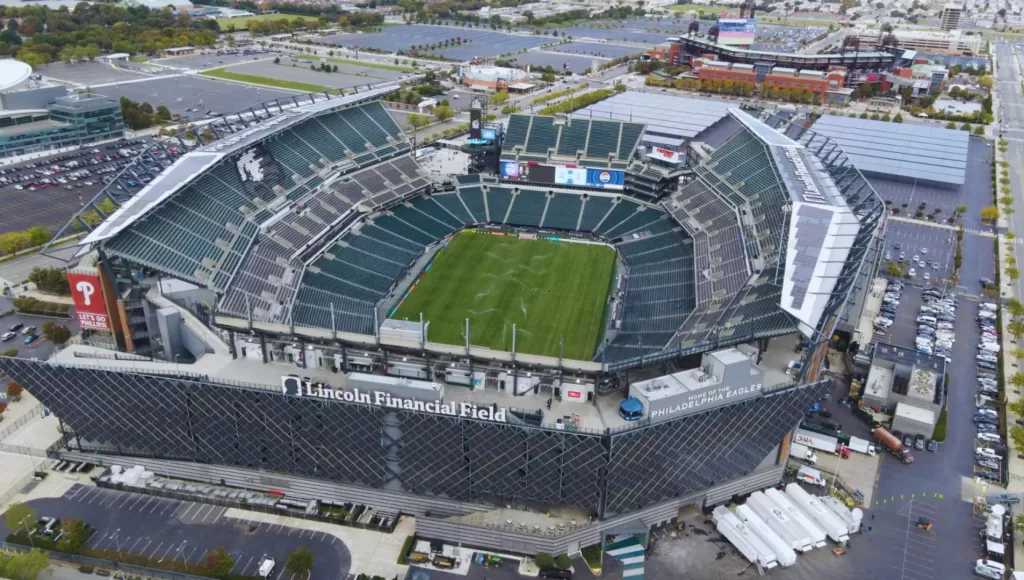
Lincoln Financial Field — Philadelphia, Pennsylvania, USA
- Capacity: 69,000
- Opened: 2003
Fan-forward design and tradition at Lincoln Financial Field, “The Linc”. Six times it was the venue for a World Cup match, notably during the 2003 Women’s World Cup, and is now a dependable soccer field. It will showcase important FIFA 2026 group stage games between big clubs. Its structural transparency and strength, has put the venue onto the map for other major sports events outside the NFL.

Lumen Field — Seattle, Washington, USA
- Capacity: 69,000
- Opened: 2002
The high rise upper decks and roof structure of Lumen Field are known to trap sound, making it one of the most intimidating upper decks in North America. A fortress for MLS and USMNT qualifiers. Its Pacific Northwest setting adds a touch of beauty to the event.
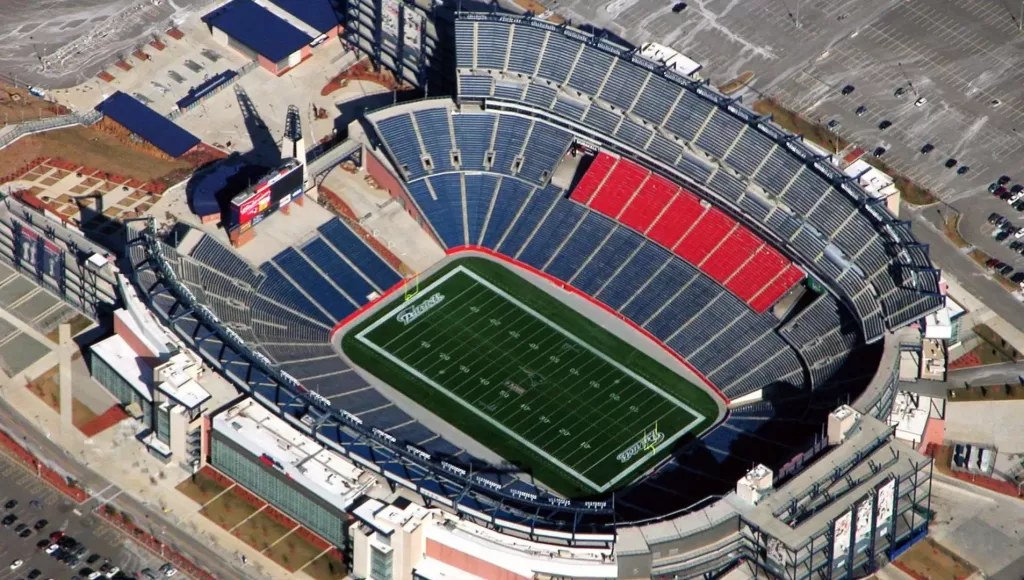
Gillette Stadium — Foxborough, Massachusetts, USA
- Capacity: 65,878
- Opened: 2002
The unique lighthouse and bridge of Gillette Stadium lend one of the most famous appearances in American sports. The venue has previously hosted World Cups matches and has been known to be a good host of big matches such as a quarterfinal in 2026. It’s a home favorite for U.S soccer fans, thanks to its distinctive visual elements inspired by the architecture of the U.S coast and its welcoming concourses for fans.
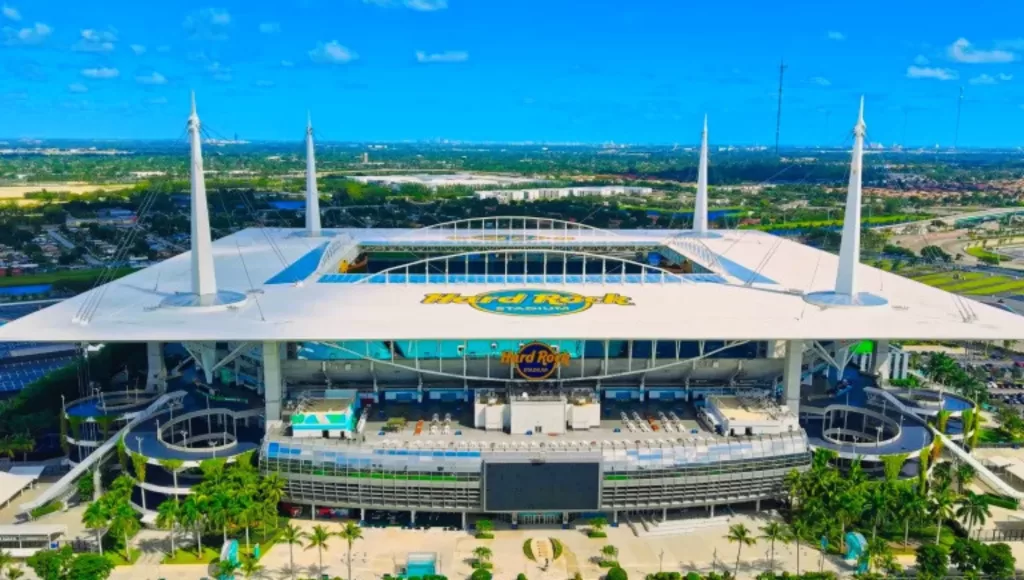
Hard Rock Stadium — Miami Gardens, Florida, USA
- Capacity: 65,000
- Opened: 1987 (major renovations completed 2016–2023)
The four corner canopy roof is the most unique aspect of Hard Rock Stadium, providing shelter for fans while allowing light to pass through the stadium. It has continuously improved facilities and played host to the Copa América Final last year, which saw Argentina beat Colombia, consolidating its status as a global football hotspot. There will be a host of group and knockout games, even a third-place game at Hard Rock Stadium.
It offers flexibility and can be used for various sports and entertainment activities. The hospitalities and sightlines have been modernized as well as players facilities have been renovated in anticipation of the 2026 season. The outdoor design, shaded seating and its global events pedigree make it suitable for the summer heat in Florida.
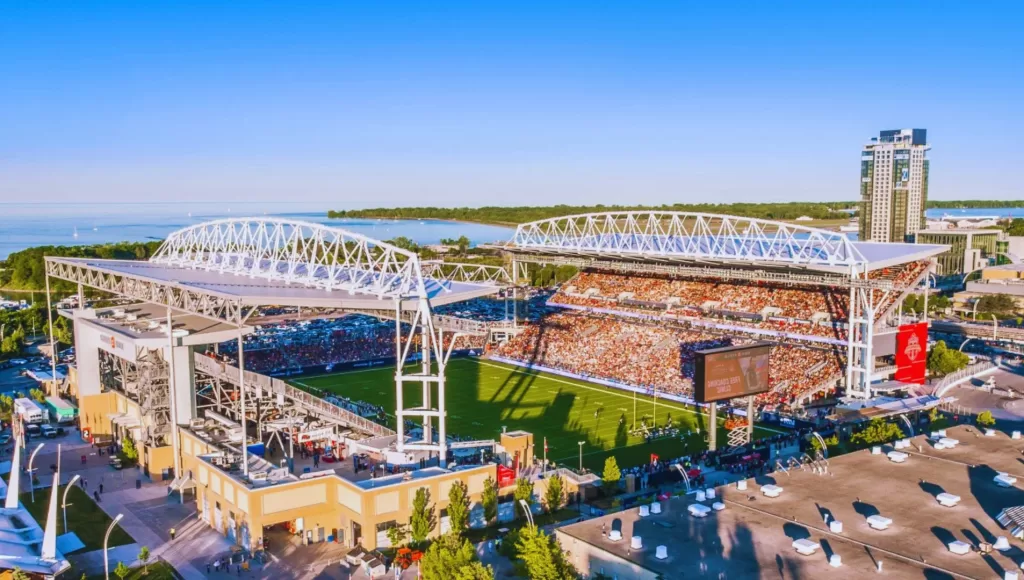
BMO Field — Toronto, Ontario, Canada
- Capacity (expanded): 45,000
- Opened: 2007
Constructed near the shores of Lake Ontario, the BMO Field has been designed in a fan-friendly and compact manner, making it Canada’s premier football stadium. It has played host to MLS Cup Finals and Canada’s historic MLS qualification games. It’s expansion will make 2026 matches more colorful in the cities. There will be six matches at BMO Field, including Canada’s first group match. It’s new to hosting a World Cup, but it’s a popular choice for its passionate atmosphere and soccer centric design.
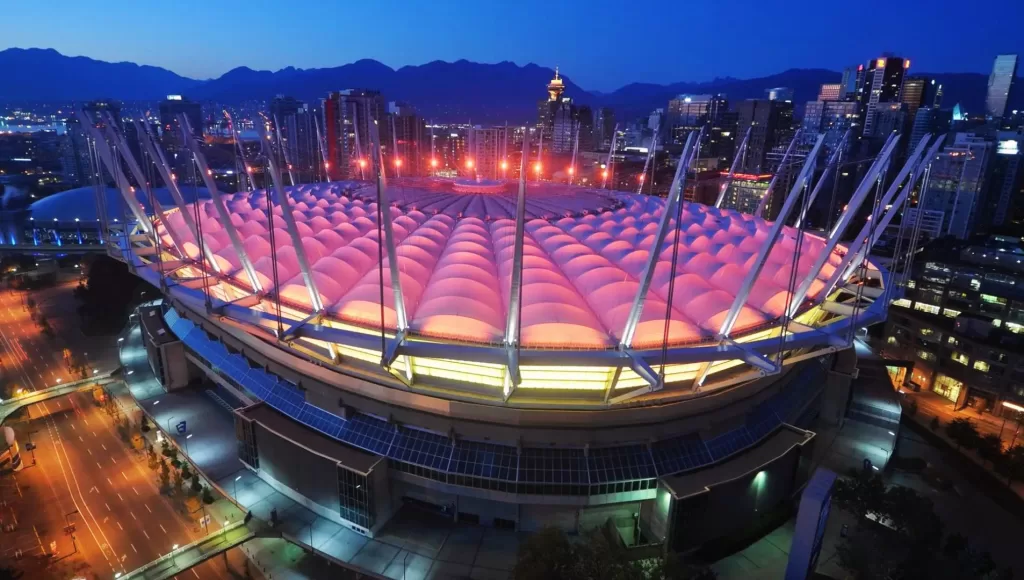
BC Place — Vancouver, British Columbia, Canada
- Capacity: 54,500
- Opened: 1983 (renovated)
The retractable roof at BC Place and the panoramic city view creates a Pacific treasure. It has hosted the 2015 Women’s World Cup Final. It will host seven games in 2026, including Canada’s group stage games later in the year. Form, function and luxury hospitality all combine to create the stadium’s design, which embraces flexibility.
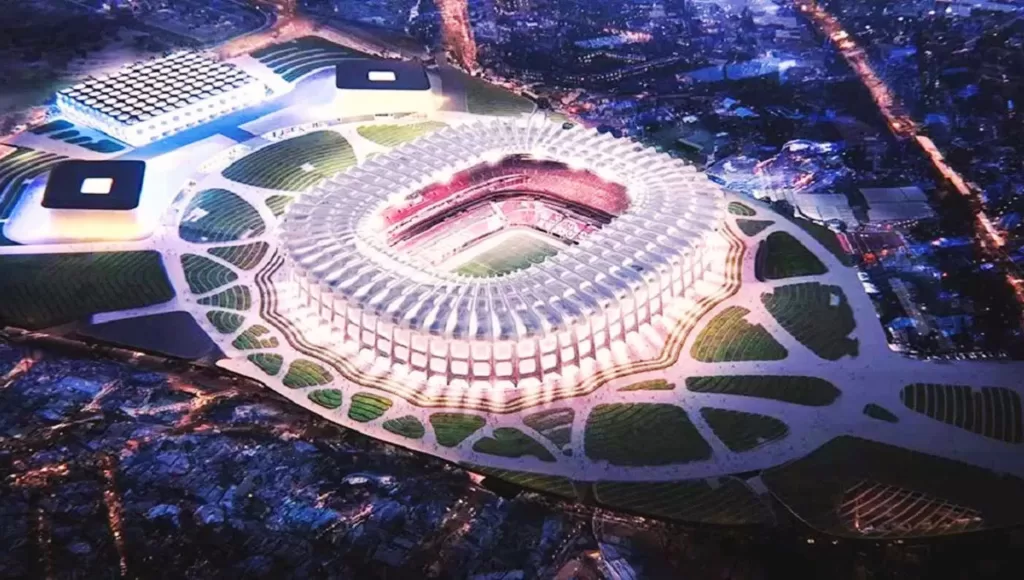
Estadio Azteca — Mexico City, Mexico
- Capacity: 83,000
- Opened: 1966
The legendary Estadio Azteca was renamed Estadio Banorte for the World Cup, was the venue for two World Cup finals (1970, 1986) and hosted the opening match of 2026. It’s subjected to Pelé, Diego Maradona’s “Hand of God” and “Goal of the Century”, and many iconic moments, and is nearly 2,300m elevation at which the concrete tiers are in a bowl shape.
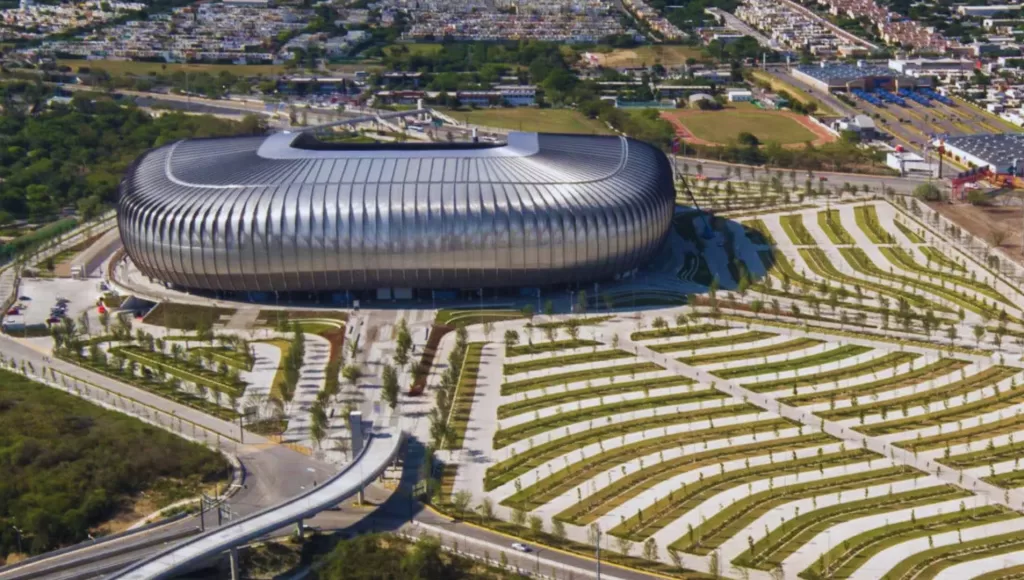
Estadio BBVA — Monterrey, México
- Capacity: 53,500
- Opened: 2015
The Estadio BBVA, in Latin America, is the first major stadium to be certified as LEED in the region, and is used for league finals and international events. It will also be a group and a round of 32 matches in 2026, bringing modern Mexican intensity to the mix. The clean, sleek lines of its cantilevered roof and sculpted facade mirror the nearby mountains of Cerro de la Silla, and it’s one of the most modern arenas in Latin America. The stadium has been the venue for important CONCACAF tournaments and international events, earning it increasing recognition in world football.
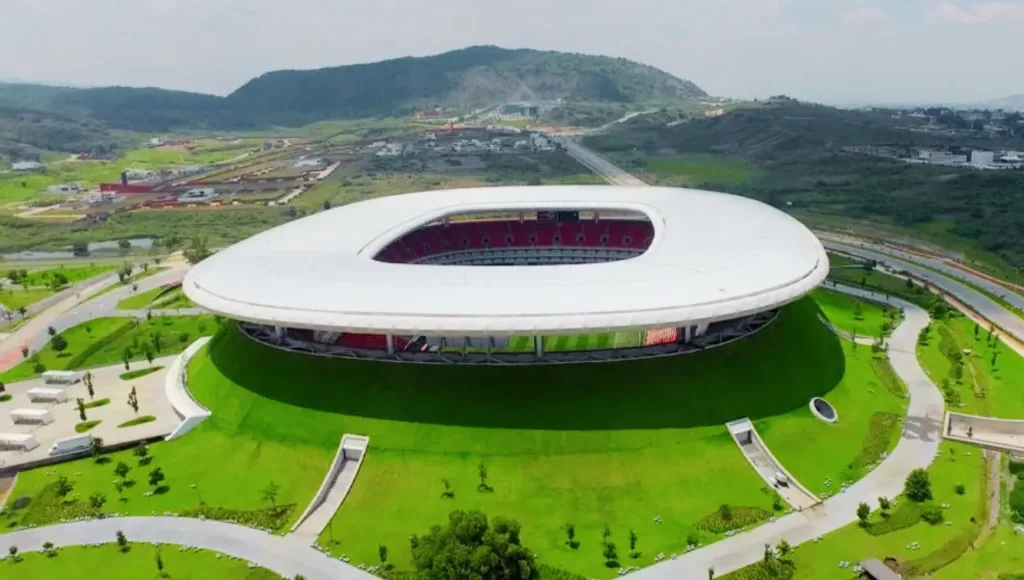
Estadio Akron — Zapopan/Guadalajara, México
- Capacity: 48,000
- Opened: 2010
Estadio Akron’s steep, enclosing stands and sleek design make it one of Mexico’s most impressive arenas. It has hosted international friendlies and league finals, and is where Chivas de Guadalajara played their home games. It will be the year of four group games in 2026, bringing close-up, exciting football to the tournament. It is a smaller building, but it is set next to Bosque La Primavera and its modernism in style have made it an architectural landmark.






0 Comments