
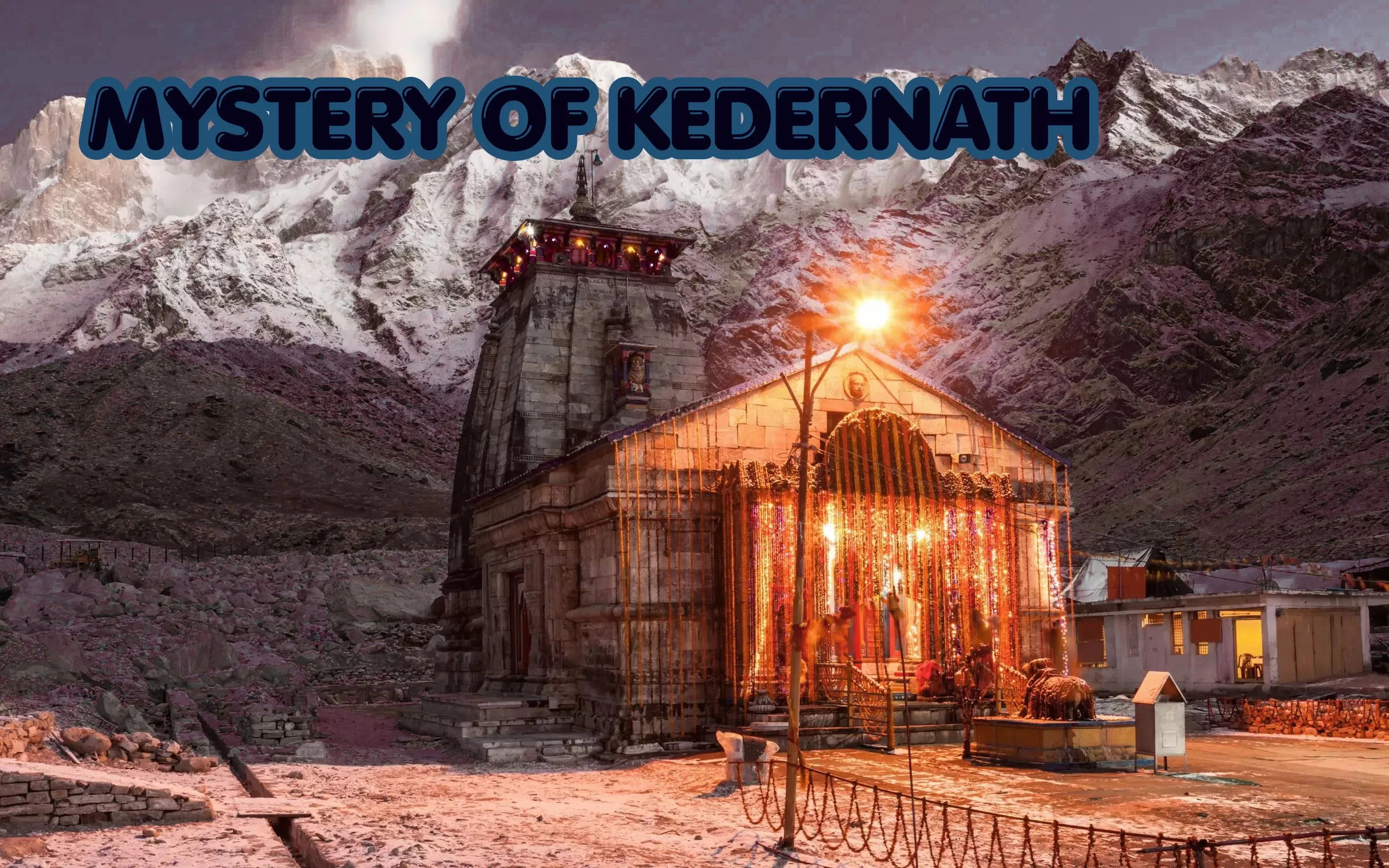
Located at a height of approximately 3,583 meters (11,755 ft.) in the high Himalayas, Kedarnath Temple is one of the holiest and enigmatic pilgrimage sites of India. The temple is surrounded by snowy peaks and rugged mountain ranges, and is visited by hundreds of thousands of believers each year. In addition to its spiritual significance, Kedarnath is shrouded in a rich tapestry of legends, mysteries, architectural marvels, and tales of survival, which have captivated pilgrims, historians, and researchers for years.
The Story of the Vanishing of Shiva
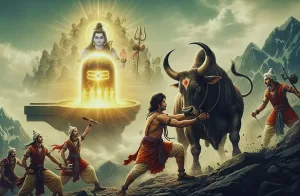
Hindu mythology is the initial enigma in Kedarnath. As per ancient tradition, the five Pandavas brothers came to seek forgiveness from Lord Shiva for their sins for the war at Kurukshetra. Lord Shiva, didn’t want to forgive them easily, disguised himself as a bull and hid in the Himalayan region.
So, Shiva attempts to get lost in the earth when the Pandavas finally meet him. However, Bhima managed to grab the bull, but the bull’s body splited into many part and it seemed to appeared in five different locations. The hump formed at Kedarnath, and the other four parts at the other religious centres called the Panch Kedar.
In their eyes, this story makes sense of why the Shiva lingam at Kedarnath is not like the other Shiva lingas but resembles a hump of a bull. The legend is either a myth or a symbol, but it has certainly helped to maintain the mysticism surrounding the temple.
Who built the Kedarnath Temple
Another question that hasn’t been answered is how the temple was built. The origin of the shrine is attributed to tradition to the Pandavas, while many historians attribute to Adi Shankaracharya in the 8th century CE, a philosopher-saint who rebuilt it.
It is not known exactly when the temple was built. Limited historical records and many of its early history is lost in centuries of oral tradition. The building could be much older than currently believed, according to some research.
The large blocks of stone in construction are especially interesting. Moving and no matter how much you can build those big stones at a far-away spot in the Himalayas was extremely challenging, particularly for the technology of the time. The methods used to accomplish this feat, however, are still a source of wonder and awe to builders.
The Architectural Enigma
The architecture of the Kedarnath is quite interesting. The temple is constructed using large stone blocks, which are stacked on top of each other without the use of any modern construction materials. It has survived for centuries even though the mountains have suffered earthquakes, avalanches, freezing temperatures, and harsher weather.
The design of the temple has been analyzed by engineers and archaeologists, and their research has found that the stone structure of the temple has a good ability to absorb and distribute pressure. The construction shows a high level of knowledge of mountain architecture and environmental conditions.
Another unusual aspect of the temple is its directionality. In contrast to many Hindu temples facing east, the design and location of the temple at Kedarnath is apparently geared towards the mountainous terrain. This has made some scholars to think whether ancient builders possessed sophisticated geographical knowledge that helped them select the site.
The floods of 2013 were a mystery
The most sensational mystery in modern times was at Kedarnath during the catastrophic floods of June 2013.
Exceptionally heavy rainfall triggered landslides and flash floods throughout the region. Villages were razed and roads wiped out, thousands dead. The disaster is one of the worst natural calamities in the modern history of India.
But despite all the destruction, the primary Kedarnath temple remained intact.
A huge rock fell from the mountain and landed right behind the temple. This rock helped to redirect the flood waters and debris, thus avoiding a direct strike on the structure. This was a miraculous event and people used to visit every year and called this rock Bhim Shila.
Geologists describe the event as a geological occurrence that was a natural by-product of the flood; the boulder actually came along and got stuck in a place where it protected the temple. But for many pilgrims the timing and the location of the stone is nothing short of miraculous.
The fact that the temple survived in the midst of a devastation that engulfed much of the region is another one of the many mysteries surrounding Kedarnath.
The yoga of Adi Shankaracharya
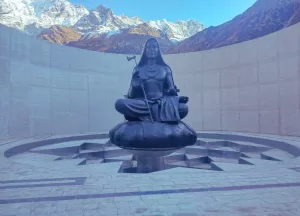
Adi Shankaracharya is enveloped in another layer of mystery. According to this tradition, he revived Hindu philosophy in India and after reaching the age of very little he attained samadhi near Kedarnath.The story of what happened after is a subject of disagreement. He was believed to have disappeared into the mountains, or some think that he left spiritually and that was an unusual event. His death remains a mystery and is shrouded in a sacred mystery of the region.
There is a memorial in front of the temple, which pays tribute to his legacy, and his teachings have a lasting impact on the Himalayas and its people.
Reports found from pilgrims of strange experiences they have encountered
There are many anecdotes of strange occurrences experienced by pilgrims who have visited Kedarnath over the centuries. Others say that they felt the peace that they would not find elsewhere. There are others who report having vivid dreams, great spiritual feelings, or a sense of an unseen presence.
Some of these experiences are blamed on the altitude, physical fatigue, loneliness and importance of the pilgrimage. Believers consider them as a sign of the spiritual power of the temple.
These are not experiences that can be proved, but they do add to the site’s mystique.
The Himalayan Setting
The landscape around the site only adds to the mystery. Kedarnath is situated near the source area of Mandakini river and is surrounded by majestic peaks of the Himalayas including Kedarnath peak.
The area is cut off by heavy snow in much of the year. The temple is closed during winter season and during this time the deity is carried to Omkareshwar temple. The now ruined temple is still covered in snow and harsh weather conditions until it is reopened months later.
The presence of Kedarnath, followed by its absence and eventual return, strengthens the feeling that it exists somewhere between the ordinary world and a more sacred.

Faith, History and Mystery
There is no one question that is left unanswered. It, on the contrary, is a blend of mythology, ancient engineering, uncertain history, dramatic natural events and an underlying spiritual significance.
Did the Pandavas construct the temple? How did its massive stones get here and how were they put together? Was it a stroke of luck that the temple survived the floods in 2013, or more. What makes it so many people have transformed there.
There might never be clear-cut solutions. But this uncertainty is what makes Kedarnath so fascinating. It’s a land of faith and history; wonder and creation; centuries of questions and answers.
Kedarnath is not just the temple for millions of devotees. It represents strength, sacredness, and the eternal enigma shrouding the peaks of the Himalaya mountains.






https://shorturl.fm/r9YyE
https://shorturl.fm/WGAmR
https://shorturl.fm/zWSkE
https://shorturl.fm/OQT8c