
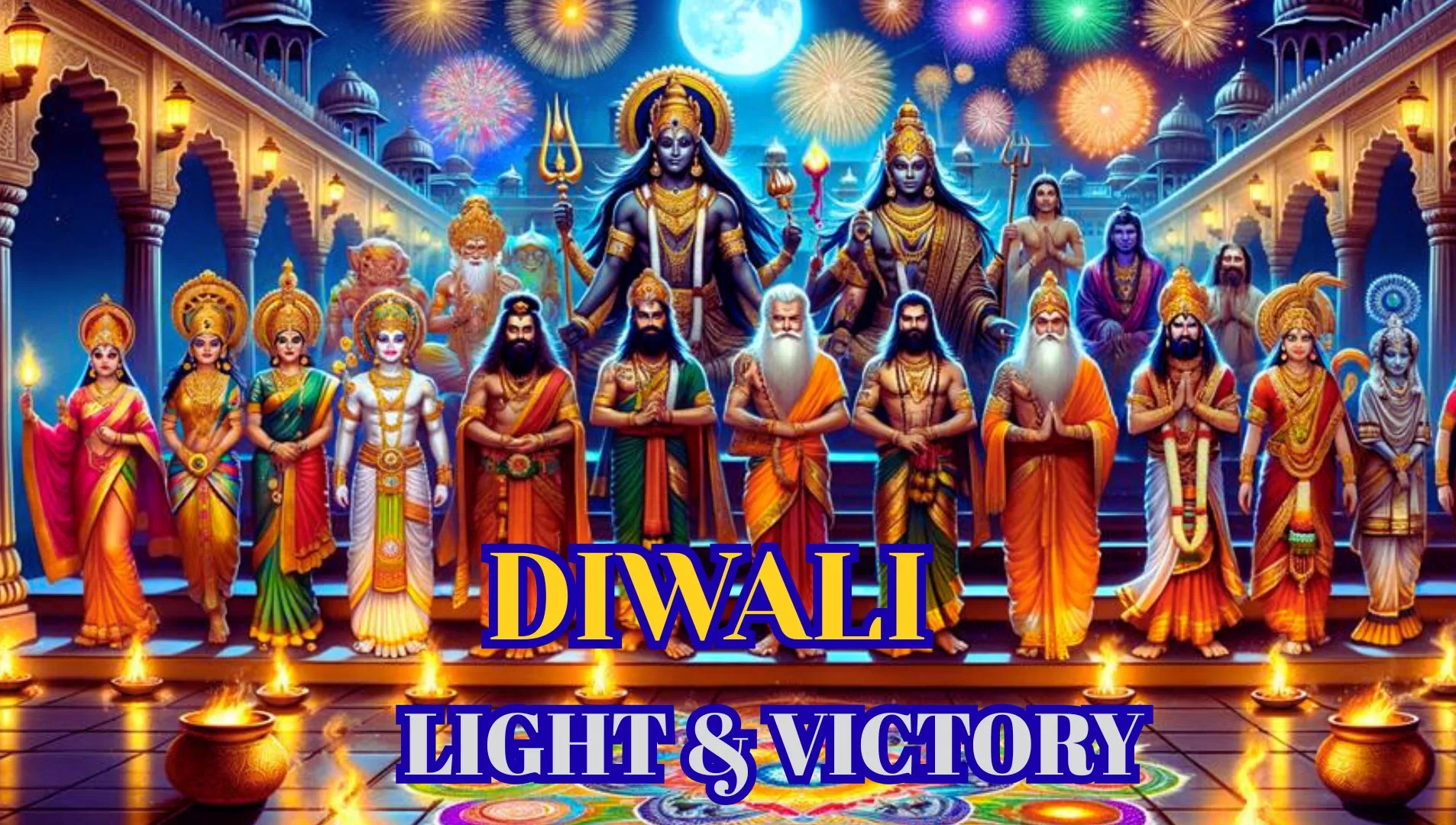
Every November, when the moonless night of the Kartik Amavasya is nearing, the flickering lamps, the colorful rangolis, and the fragrance of incense makes millions of Indian households alive. One of the most valuable and popular Indian cultural festivals is this festival, Diwali, or the Festival of Lights.
There is more than the joy and the colors and the fireworks, though, as is the deep rooted history of those stories that are entrenched in the ancient Indian mythology, stories that have not only influenced how we celebrate but how we celebrate as well. Diwali is never a single tale, it is a network of mythological tales which vary in regions, religion and traditions.
The stories of Ramayana, the myths of Lord Krishna and the veneration of Goddess Lakshmi are among the most famous that have a different spiritual implication about success, wealth and inner light.
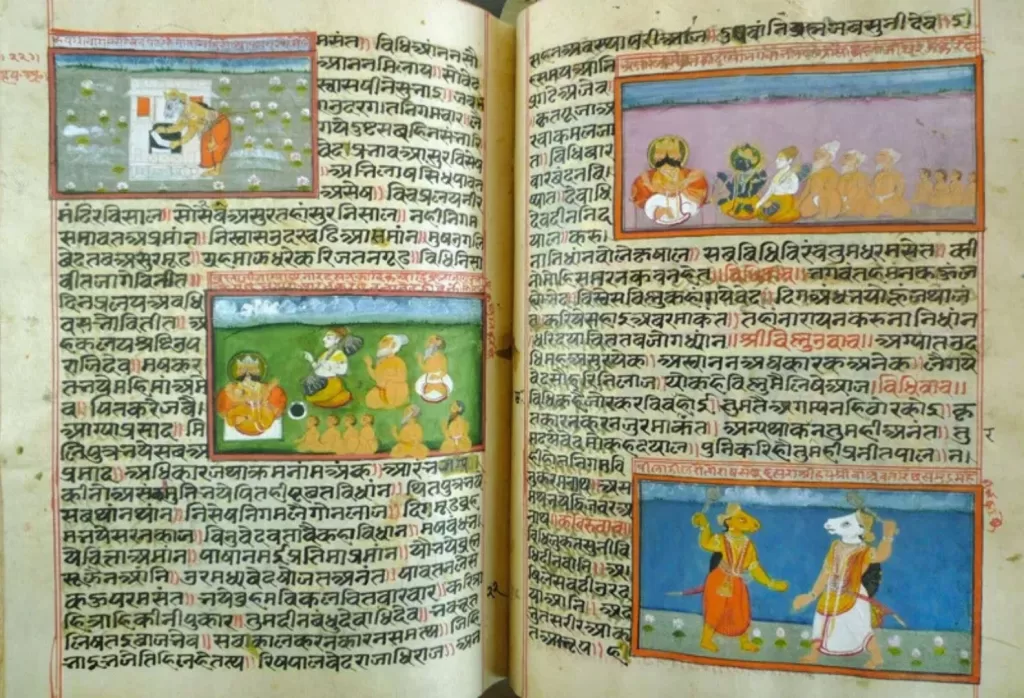
The Ramayana: The Book of the Reconstruction of Ayodhya by Lord Rama
The most popular legend surrounding Diwali is the epic of Ramayana one of the greatest ancient books of India. The seventh avatar of Vishnu called Lord Rama was sentenced to fourteen years in exile in his kingdom Ayodhya; he went with his wife Sita and with his faithful brother Lakshmana.
Rama had to undergo many trials in his exile, and the most significant one was the kidnapping of Sita by Ravana who was the ten-headed demon king of Lanka. With his disciple Hanuman and a group of warriors of the vanara (monkey) tribe, Rama fought a long and fierce war in order to save Sita.
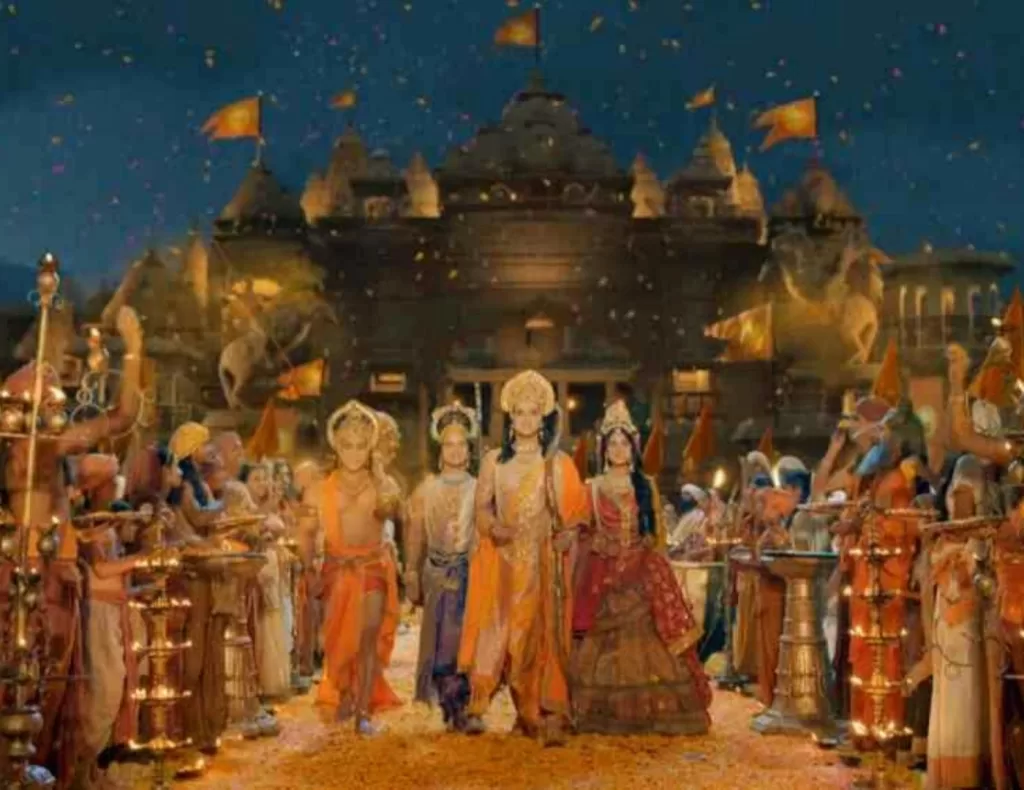
When Ravana was finally conquered, good defeated evil and Rama, Sita and Lakshmana started on their way back to Ayodhya. The citizens of Ayodhya were extremely happy with the sight of their favourite prince coming back and so they lit rows of diyas (lamps) to receive him back home. The darkest night, in terms of the year, of their arrival was turned into a feast of light and love, the first Diwali.
Ever since, Diwali has been associated to the triumph of good over evil, truth over falsehood and light over darkness. Each of the lamps lit on Diwali night is a reminder to those who worship that these values are powerful and worthwhile to stand by even in the face of adversity.
Regional Variations of the Rama Story
Although the core idea of the homecoming of Rama is the same, regional interpretations provide some cultural richness. In North India, Diwali is observed when Rama comes back to Ayodhya and is celebrated on a large scale – processions, fireworks, dramatizations of the Ramayana called Ramlila.
Another tradition in South India is that the day previous to Diwali is frequently connected with Narakasura Vadha, as Lord Krishna (another incarnation of Vishnu) slew the demon Narakasura – associating Diwali with the victory of Krishna. In Eastern India specifically in Bengal, the festival overlaps with Kali Puja, the festival of goddess Kali, the bringer of darkness and ignorance destruction.
These differences are indicative of the way in which the Indian rich and diverse culture weaves mythology and tradition to share the same universal message, which is light overcoming darkness in all its manifestations.
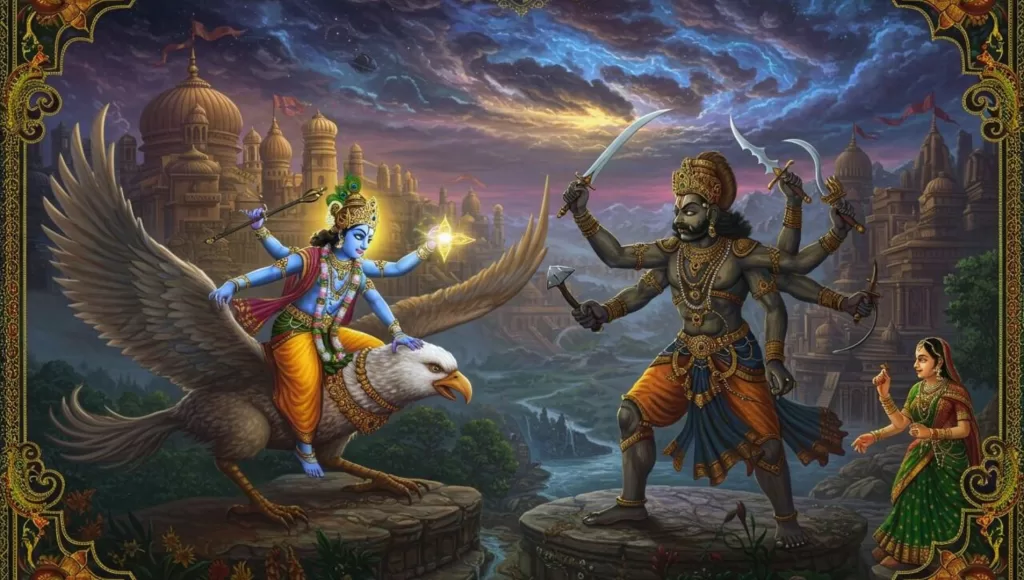
Lord Krishna and the Slaying of Narakasura
The other mythological tale that is linked to Diwali is about lord Krishna and how he triumphed over a demon Narakasura.
Narakasura was a strong yet prideful demon king who had conquered the kingdom of Pragjyotishpur (Modern Assam) according to a legend. Narakasura was born out of divine origin, being a son of the earth goddess Bhudevi, but he became a tyrant and power-hungry person. He was taking kingdoms, throwing thousands of women to prison and robbing the divine earrings of Aditi, who is the mother of the gods.
The gods sought the services of Lord Krishna because they could not tolerate his cruelty. Krishna began a war against Narakasura and his wife Satyabhama went with him. Krishna fought and killed the demon in a fierce battle freeing the captured women and restoring peace and justice. Narakasira even in his deathbed regretted his sins and asked that his end should not be mourned but be rejoiced upon like a festival, a day on which people would light lamps in memory of the victory of the good over evil.
So the eve of Diwali, or rather Naraka Chaturdashi or Chhoti Diwali is observed to showcase this triumph. Individuals use lamps and crackers and they symbolize the cessation of darkness and ignorance that Narakasura defeated.
There is a strong moral in this story, how so great evil can be, good and truth will overcome it. It also symbolizes the purification of the soul of arrogance and greediness to make it ready to celebrate the purest Diwali the following day.
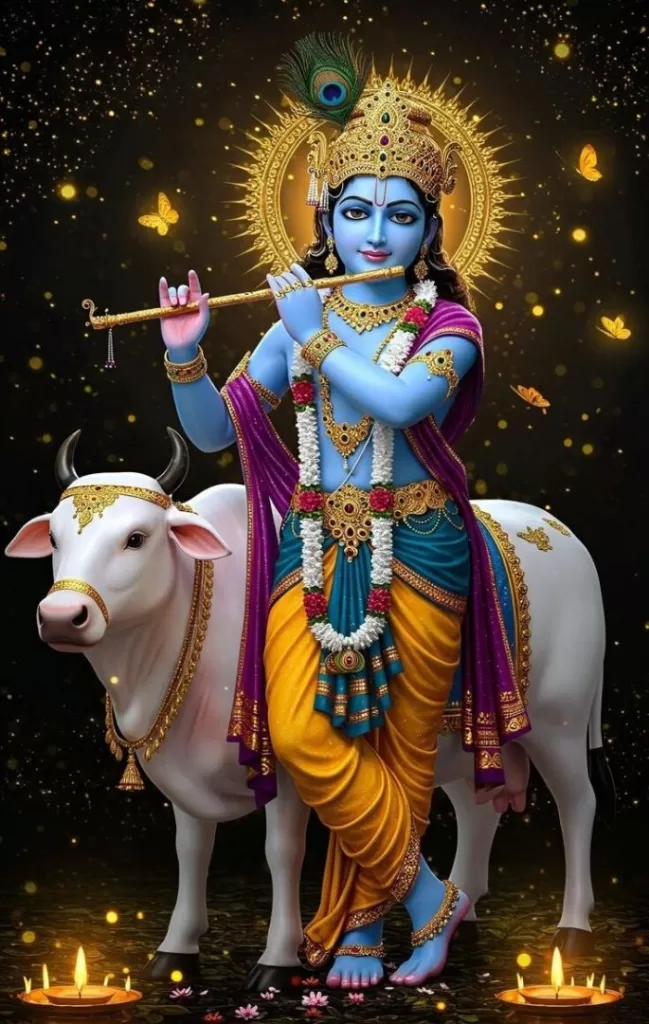
Symbolism in the Krishna–Narakasura Legend
The story of Narakasura is more than a divine heroism narrative but it is also a symbolic one. Narakasura is the sign of darkness of the human nature – the ego, the desire, the ignorance which clouds the heart. The killing of the demon by Lord Krishna represents the awakening of divine consciousness that removes that darkness in the inner being.
By doing so the act of turning on lamps during Diwali has turned into a religious allegory – bringing the light of our inside world and expelling the darkness of ego and negativity.
To most worshippers, and more so in South India, Diwali morning starts with a ritual bath and prayers to Lord Krishna, the purification of the body and soul in memory of this mythical victory.
The Legend of Goddess Lakshmi: The Birth of Prosperity
Although Diwali is related to the victory of Rama and Krishna, it also is closely connected with the cult of goddess Lakshmi, the deity of prosperity, well-being, and wealth.
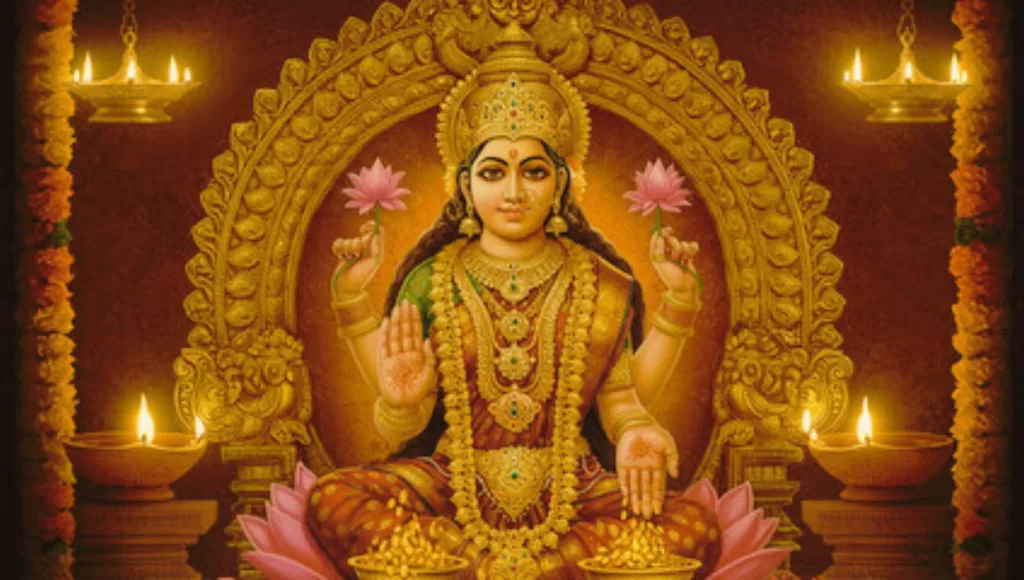
In the ancient Hindu texts, in the great cosmic epic called the Samudra Manthan churning of the ocean of milk, various deities brought forth several cosmic treasures. One of them was the radiant and resplendent Goddess Lakshmi, who was seated on a lotus flower. The coming out of the ocean by her saw the gods and sages rejoice, and with her there was peace, plenty and prosperity in the world.
Lakshmi is believed to have selected Diwali night, which is the darkest night of the lunar month, to give devotees light, wealth and happiness. That is why, on this night, people are cleaning and decorating their houses, light all corners with diyas, and leave their doors open as a symbolic invitation of the goddess to enter and bring blessings into their families.
Lakshmi Puja: Inviting Prosperity and Purity
During the third day of Diwali, which is referred to as Lakshmi Puja, families come together in order to show utmost devotion to the goddess. The ceremonies also involve the offering of sweets, flowers, coins and incense and singing of hymns in Vedas and Puranas which praise her grace and generosity.
Nonetheless, the blessings of Lakshmi are not only those concerning material wealth, but the blessings are also spiritual prosperity, innocence, and moral existence. Her appearance means that it is really richness of a pure heart, good deeds and gratitude.
Interestingly, Lakshmi is also linked with Lord Vishnu who is the protector of the universe. She is present in all these forms to assist his avatars, that is Sita with Rama and Rukmini with Krishna: prosperity and righteousness should never be separated.
Other Diwali Legends Across India
Rama, Krishna, and Lakshmi are the main characters of most Diwali stories, but a number of other legends make the festival culturally rich:
- In Eastern India, Diwali is observed along with Kali Puja in which Kali, the violent incarnation of Shakti is venerated to destroy evil and protect righteousness.
- In Jainism, Diwali is the nirvana (enlightenment) of Lord Mahavira, which means the liberation of the soul.
- Diwali is also an important part of the Sikhs because it is the day when Guru Har Gobind Ji was released after spending time in prison-this is known as Bandi Chhor Divas.
- These various traditions indicate that even though the tales vary, the point is still the same: Diwali is the festival of good, the destruction of ignorance, and the rebirth of life.
Conclusion: One Festival, Many Lights
Since the coming back of Lord Rama to the triumph of Krishna, since the appearance of Lakshmi to the illumination of Mahavira, all mythological narratives of Diwali lead to one, and eternal truth that light, virtue and wisdom will never lose to darkness and evil.
All these stories give the festival a different color – Rama is teaching us about faith, and courage, responsibility and compassion (Krishna), prosperity that is dirty and unjust (Lakshmi).
When we light up diyas in the Diwali festival, we are not merely remembering ancient myths, we are reawakening the eternal message in us. The fires we create are a symbol of hope, peace and the inner power that leads us through the darkest nights in our lives.
And we, just as our forebears did, thousands of years ago, are reminded each year by Diwali that the tales of the gods are the tales of humanity, reminding us to tread the way of light, truth and love just like our forebears did thousands of years ago.




0 Comments